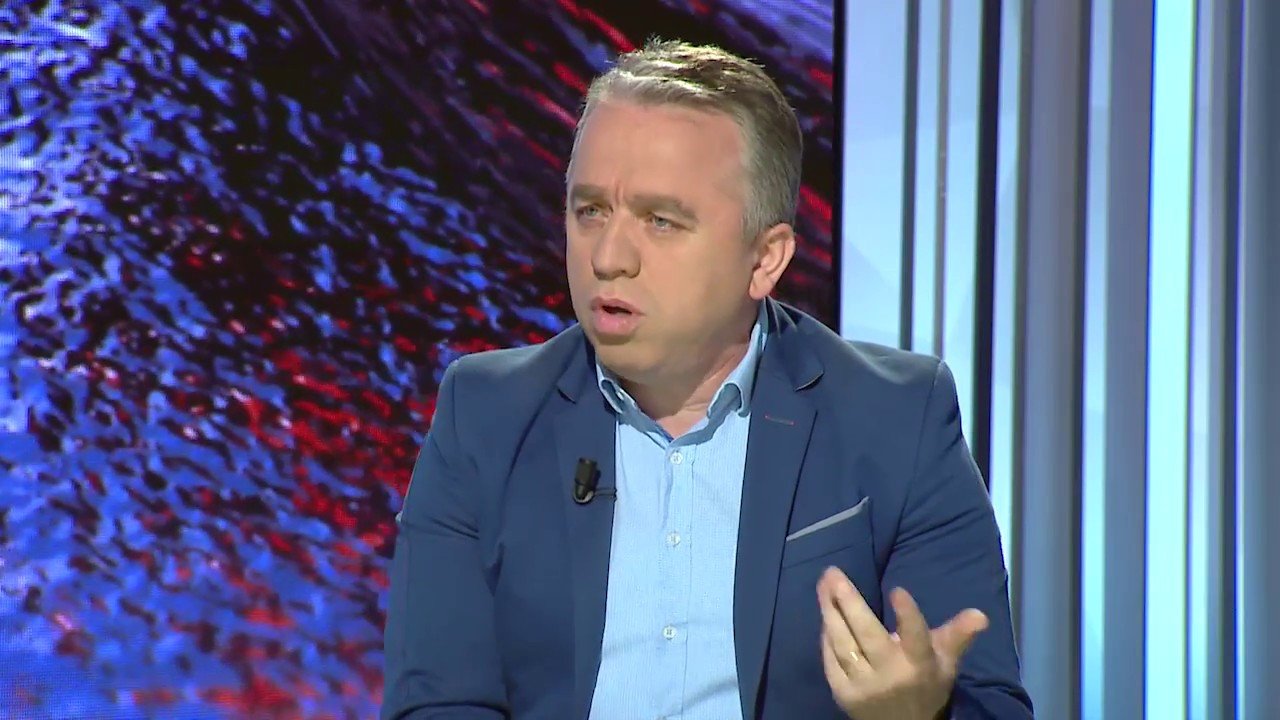
AFRIM KRASNIQI
In order to legally acquire and realize an architectural project in Albania, an investor or foreign architectural studio must register with the KKB, equate its professional license with the Ministry of Infrastructure (or Professional Order), and acquire the right to the project through public tenders or private contracts. This is the law. But in Albania we have a prime minister, then we have a law. He himself selects the architects, the studios, the projects, the jury, the support funds and the clients who have to pay for the project and the architects. This is the suspicion and this is the accusation repeated constantly in informal conversations with private companies and high officials, but already documented by the Prime Minister himself in the publication with his preface that he presents with arrogance in international meetings and media, “The Albanian Files”.
Here is one of the notes, – it is about the project with the highest towers in Albania.
“Benedetta Tagliabue wrote to me asking if I agreed to my contact number being given to the Prime Minister of Albania. I said, of course. Five minutes later, the Prime Minister contacted me, asking if I could come to Tirana to discuss the possibility of a project. Chile is a long way from anywhere, so I told her that the best thing would be to make a stop in Albania during my next trip to Europe. That trip would take place in two weeks, because of a visit to the EDP building site in Lisbon. So, in the last days of May, I managed to spend about twenty-four hours in Albania. Since then, I have returned four times.”
Without prejudging the architect, his professionalism and sincerity, which is worth appreciating, in the Albanian context the questions that deserve answers from SPAK:
1. Are we dealing with a specific case of abuse of office or at least, with indications for an investigation into abuse of office?
2. Can the personal contacting of the CM for an uninterested private company to bring it to Tirana, to provide it with one or more projects, to connect it with the financing firm (the client) and then to approve it as the executive head of the jury/Albanian side, all subsequent acts of the projects?
3. Can the head of SPAK call a company to come to SPAK and win tenders? If not, can SPAK allow such a thing to happen to the highest executive and political office in the country, the Prime Minister’s office?
4. Article 26 of VKM 830/2013 prohibits members of the government, including the prime minister, “to hold meetings with representatives of business or interest groups without the presence of two officials/senior officials of the relevant ministry and without keeping the minutes of the meetings, recording the identity of the persons involved in these meetings, as well as recording the issues discussed in a special register kept by the general secretary of the relevant ministry”. In this case, the CM should have his cabinet staff and the General Secretary present and document the meeting in the minutes. Has such a thing happened in this and other similar cases?
5. If the construction/implementation firm turns out to be the subject of SPAK and GJKKO measures against organized crime, will the investigations be deepened to investigate the connections between the firm (client), the architect studio selected by the government official and the formal and informal reports/agreements between them?
That’s it for now.
The anti-corruption acts and the standards of the rule of law are not measured by investigations against citizens who have made illegal electrical connections in the inability to pay monthly bills, but are measured by the investigation of high officials who control/(mis)use the post, the state, institutions, decision-making, the budget, public property and the mandate for corrupt, clientelistic, abusive and undermining connections to functional democracy and public transparency.
/ Panorama newspaper