It’s easy to feel isolated from the political process, especially as a foreigner living in another country. But even if you’re not a Danish citizen, it’s still possible for you to influence politics here.
Vote
Perhaps the most obvious way of influencing politics, and one many non-citizens might overlook, is by voting.
Only Danish citizens are allowed to vote in the Danish election, but non-citizens are able to vote in regional elections (regional elections) and municipal elections (municipal elections) in Denmark.
Denmark has 98 municipalities and 5 regions. The local elections, local electionselect representatives to both municipal councils and regional boards and take place at the same time. The elections take place every four years, and the last one was in November 2025.
Any person who is legally resident in a Danish municipality can vote in both the municipal and regional elections.
However, people who are citizens of non-EU countries (not including Iceland, Norway and the UK) must have lived in Denmark for at least the last four years prior to the vote.
Citizens of EU countries as well as Iceland, Norway and the UK can vote in the local elections provided they are legally resident in Denmark (regardless of length of stay).
It may not seem like a huge deal voting for county and municipal elections, but these two bodies hold a lot of power in Denmark and are responsible for things like education, public transport and healthcare.
EU citizens living in Denmark can also vote in EU elections, which happen once every five years. The last EU election was in summer 2024.
Advertising
Sign or write a petition
Another way you can get involved is by starting a petition or signature collection. This is, as the Danish name suggests, a collection of names to show that everyone who has signed the petition agrees with a certain issue or problem, and a proposed solution.
As far as petitions are concerned, it’s important to make sure that you’re sending it to the right person. Should it be sent to a politician or business leader? Would it be more effective if you got a friend or colleague to translate it into Danish? How will you spread it to make sure as many people as possible see it?
You can generally find politicians’ email addresses on the Danish parliament website.
Make a citizen’s proposal
A citizen’s proposal or citizen proposal is similar to a petition in that it’s a way you can attempt to influence or suggest a solution to a public official, but the process is a bit different.
A citizen’s proposal is submitted to your local district council – so Copenhageners submit theirs to Copenhagen council, while Gothenburgers would submit theirs to Gothenburg council, and so on.
They can also only cover something which your local council is actually responsible for, such as schools or preschools, social services or parks, for example.
If you accidentally send one to the wrong place, they’ll usually try and forward it on to the right department.
There are a few things you need to bear in mind when writing one.
Advertising
You’ll need to submit it in writing, although this can be either via email or post. You should also keep it brief and simple, but make it clear that it’s a proposal to the council. Provide your name and contact details, including your address and potentially also phone number and email, and you’ll need to send it to the council you live in, so you can’t address a proposal to a council in another city. Most councils have some sort of platform where you can submit your proposal.
You’ll receive written confirmation once the council has received your proposal and if they decide to raise it at a meeting you’ll be invited to attend and put forward arguments in favor.
It’s also possible to submit a citizen proposal to the Danish parliament, The Folketingbut only if you’re a Danish citizen, so make sure you submit it to the right person so it isn’t rejected.
Advertising
Join a local political party or interest organization
You can also influence politics by joining a political party (you don’t need to be a Danish citizen to do this) or an interest organisation.
You can find sign up details on each political party’s website, where you’ll also be able to state whether you’re willing to offer your time to help them campaign. You’ll have to pay a membership fee.
As far as interest organizations are concerned, then your best bet is to find an organization based on the issue or group important to you, whether that’s a group focused on issues which affect a certain nationality, groups focusing on LGBT issues or groups which focus on a single policy area like the environment, for example.
Protest
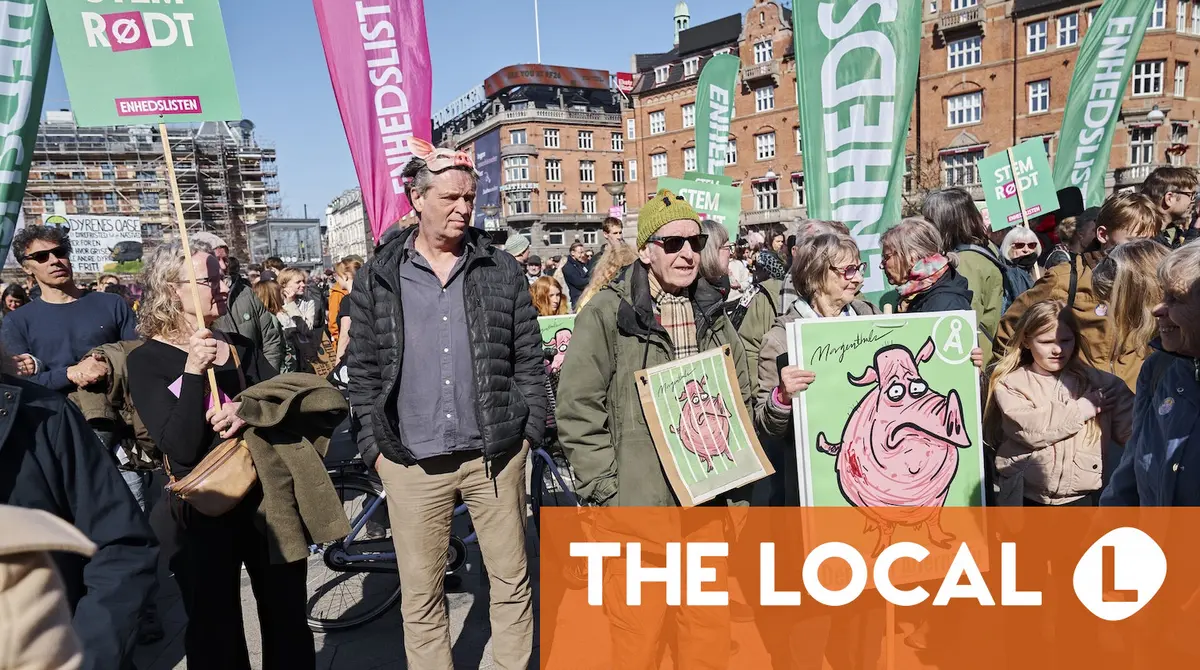
The right to protest is protected in the Danish constitution, but there are still some rules you’ll need to follow if you want to organize a demo.
If you’re planning on holding your demo in public, which you probably are, you’ll need to let the Danish police know. You can do this via the police website up to 24 hours before the protest (although it’s a good idea to submit your proposal earlier than that if possible).
To do this, you need to have access to Danish digital ID MitID and you’ll need to provide information like where and why the demonstration will take place, a detailed map if you’ll be marching, the expected number of people attending and whether you’ll be using banners, speakers or other equipment. You’ll also need to provide your contact details.
Contact politicians working on a specific political issue
Whether you want to influence local, regional or foreign policy, you can always reach out to politicians with your viewpoints. You can do this via a petition, mentioned above, or by sending an email or letter to them with your viewpoints.
You can reach out to municipal or county officials with local issues, or your MP.
Although Danish MPs technically represent a constituency or constituencyyou don’t have one specific MP or congressman for your area and you don’t need to reach out to the specific MP for your region, either. It’s often a better idea to find someone who works with your specific political issue, such as an MP working in the relevant committee in parliament, or the MP serving as its party’s spokesperson on a particular issue. You should be able to find their details on the Danish parliament website.
Advertising
Write an opinion piece or contact the media
Are you good with words? Then why not try writing an opinion piece. These can help raise the profile of an issue by bringing it to the attention of the wider public. It’s often a good idea to try and tie it to a recent news story or debate and offer a different perspective. If you want to contact us here at The Local or send us an opinion piece, you can get in touch at news@thelocal.dk.