“They left us completely to our fate” – this sentence of an elderly Cuban woman can best summarize what has been going on in the Central American island nation lately. The United States has long embargoed the communist regime, but President Donald Trump and his Cuban-born secretary of state, Marco Rubio, have stepped up the pressure more than ever in recent months.
Cuba is now under such pressure from the US sanctions that it affects all areas of daily life. While in the spring the young people took to the streets due to the dire situation of the Cuban economy, until then in a Reuters report the voiced older generation was mostly left with silent survival, which was becoming more and more difficult every day.
Sagrado Armando Garcia, who told the news agency about his feelings of abandonment, used to work as a government official. After he collapsed at home, his son couldn’t even take him to the hospital because they couldn’t get fuel for their family car. Recently, the 85-year-old man has been feeling dizzy from hunger more and more often, so he fears that he will lose his balance again. Sagrado Armando Garcia worked for decades in Cuba’s Social Security Ministry, trusting that the system would take care of him. He had to be disappointed.
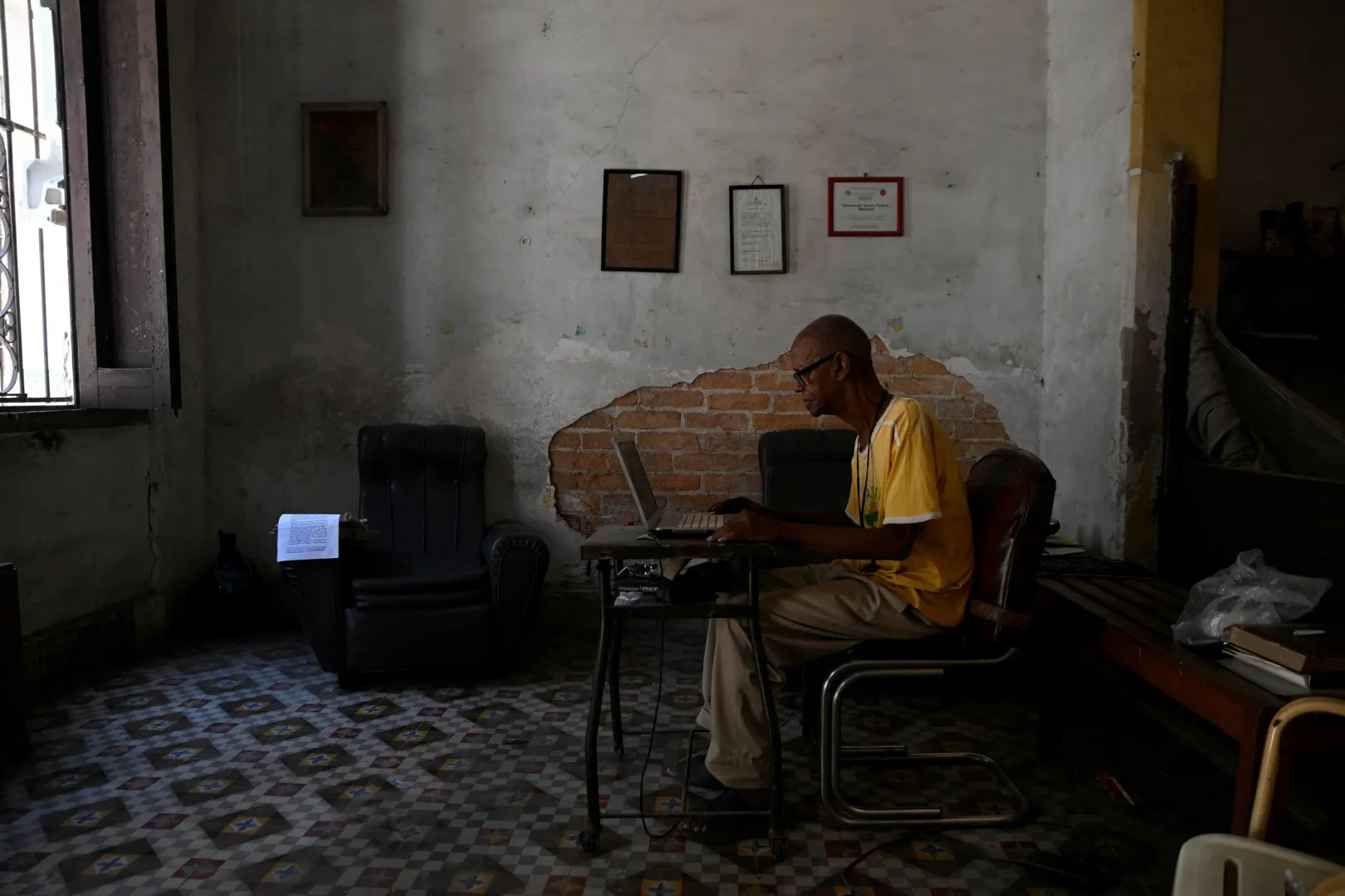
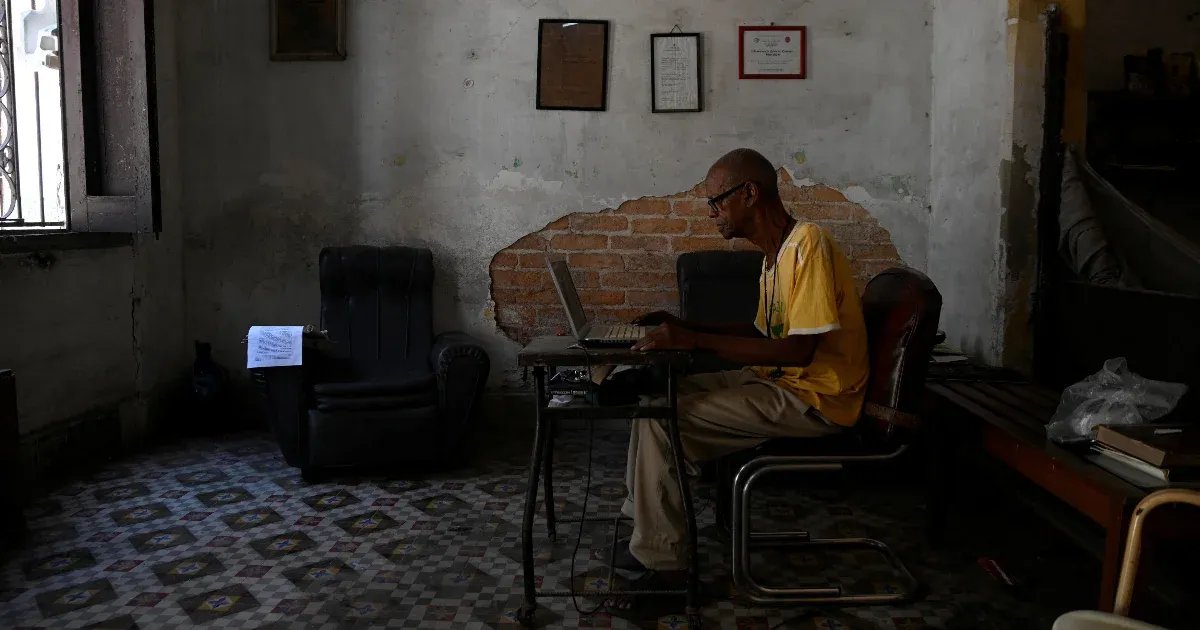
Sagrado Armando Garcia writes a book on a borrowed laptop at his home in Havana on April 28, 2026 – Photo by Norlys Perez/Reuters
Unlike Venezuela and Iran, in the case of Cuba, Trump has so far not pushed for the possibility of using military force to achieve regime change. On the contrary, he has consistently argued that this will not be necessary because the Cuban economy is too weak and will collapse on its own. He also spoke openly about wanting the United States to “friendly reception” would acquire Cuba.
Severe fuel shortages have developed since Trump cut off Venezuela’s oil, essentially keeping the communist-led country under an oil blockade. There is hardly any fuel on the island, and only electricity generation based on oil power plants it works like crazy. Because of this basic services are lacking also, it is currently almost impossible to maintain a tolerable temperature in the hospitals of the subtropical island country. We wrote about the economic and political situation in Cuba in more detail here.
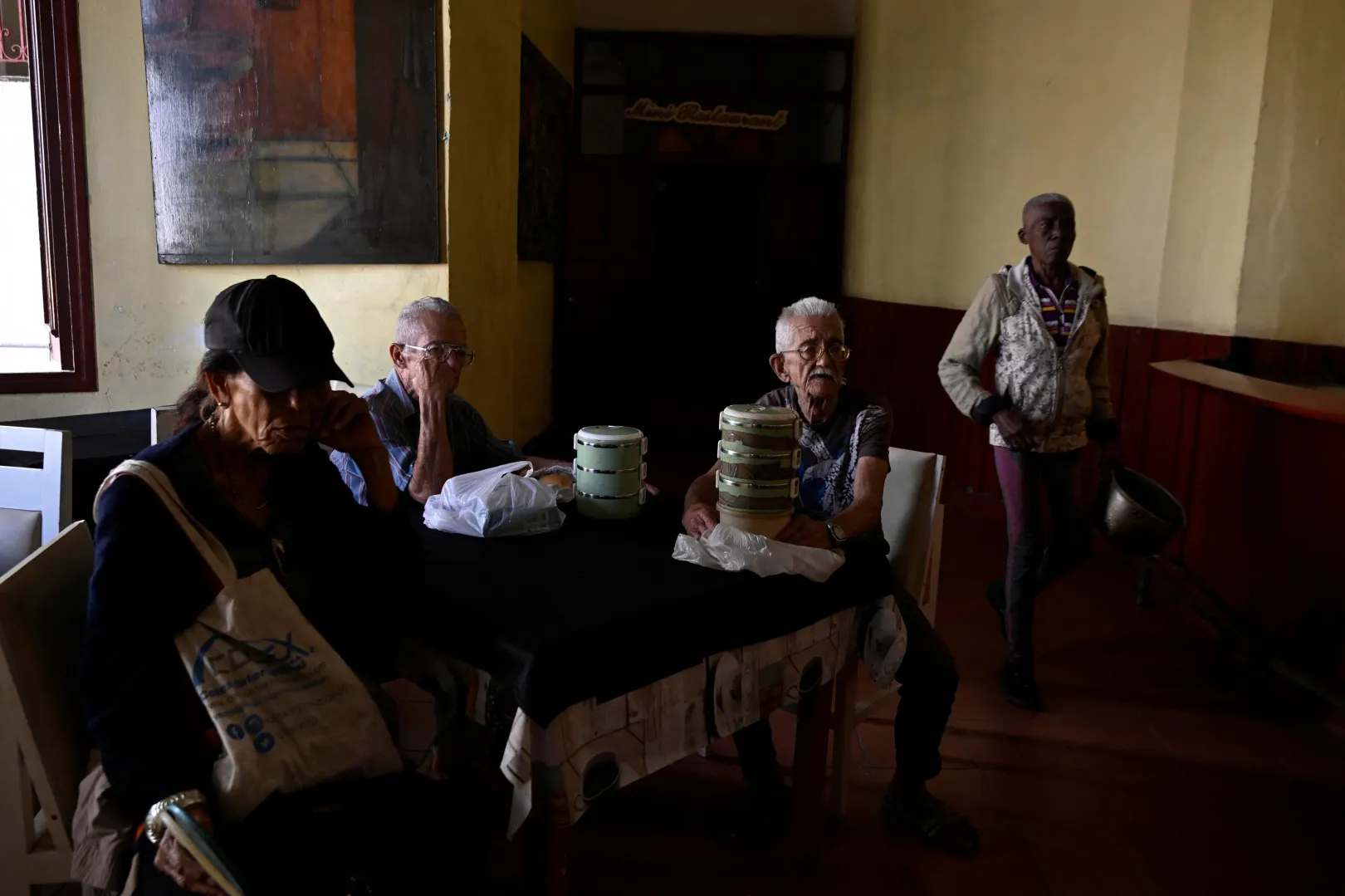
Elderly people wait for food at a social canteen in Havana on March 10, 2026 – Photo: Norlys Perez/Reuters
In addition to all this, recently were charged against the 94-year-old former president Raúl Castro, younger brother of Fidel Castro. US Secretary of State Marco Rubio said Washington will not tolerate the export of the toxic revolution of radical Marxist regimes. According to the US government, Cuba national security threat refers to the United States. Due to the sanctions, several international companies, including hotel chains and financial service providers, were forced to withdraw from the country, which otherwise lives largely on tourism.
Their means of payment, the peso, has lost about a third of its value compared to the dollar since the beginning of the American blockade, and pensions have decreased to an average of 7 dollars (just under HUF 2,200) per month. Because of the situation, the Cuban government turned to the UN World Food Program (WFP) so that they could continue to provide two meals a day to the needy and the elderly. The latter age group makes up quite a large part of the population: in the region’s fastest aging country, more than a quarter of the people are over 60 years old.
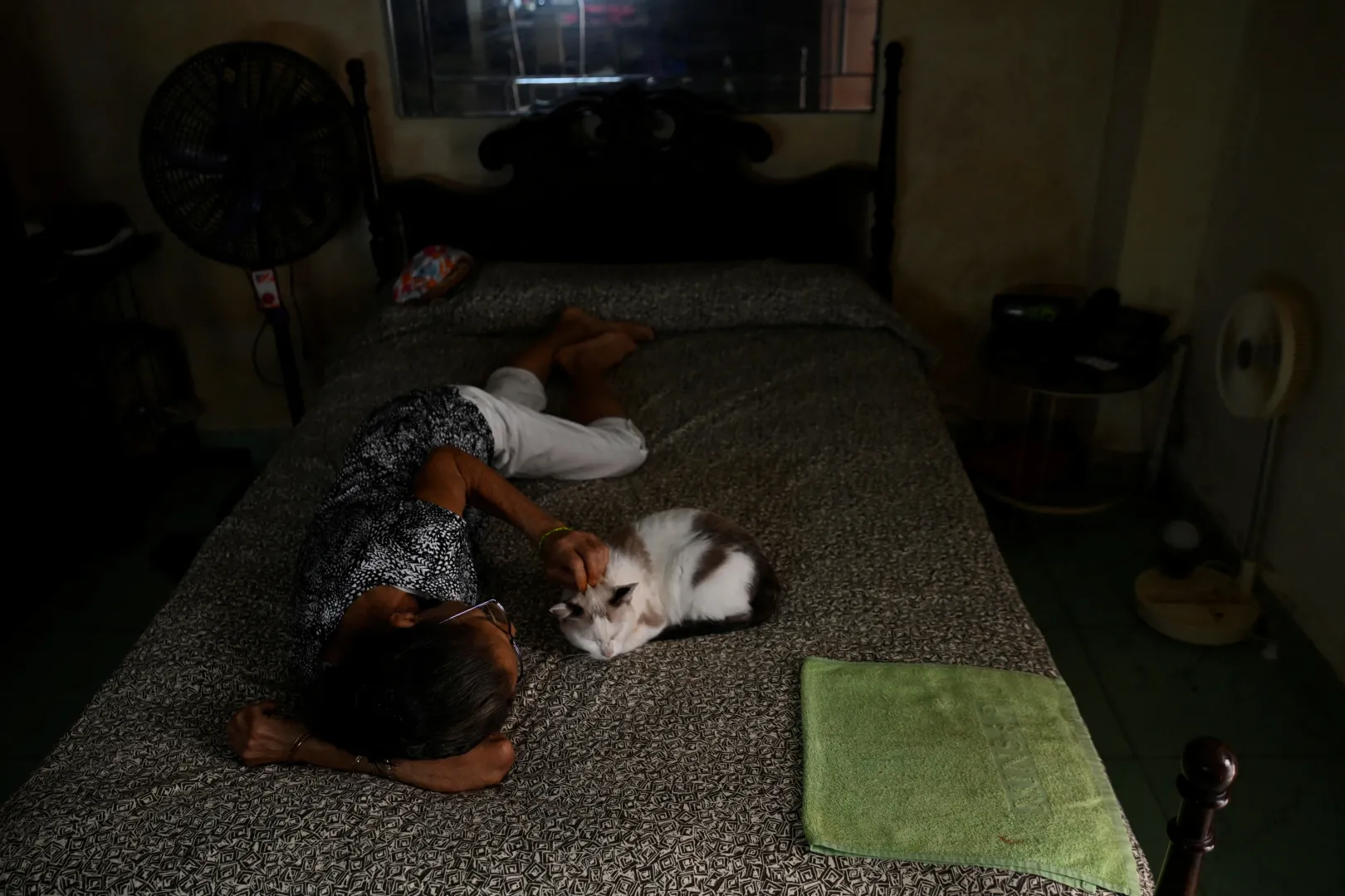
Regla Rodriguez with her cat at her home in Havana, March 6, 2026 – Photo: Norlys Perez / Reuters
“These are people who have worked for decades, but their pensions are now not enough to live on,” said Bryan Arbuelles, pastor of the San Juan de Letran Church in Havana. According to the pastor, the current crisis is mostly affecting the elderly. “Our outlook is dire,” he said. Many elderly Cubans can only rely on referrals from family members living abroad. Life is even more bitter for those who are not helped in this way.
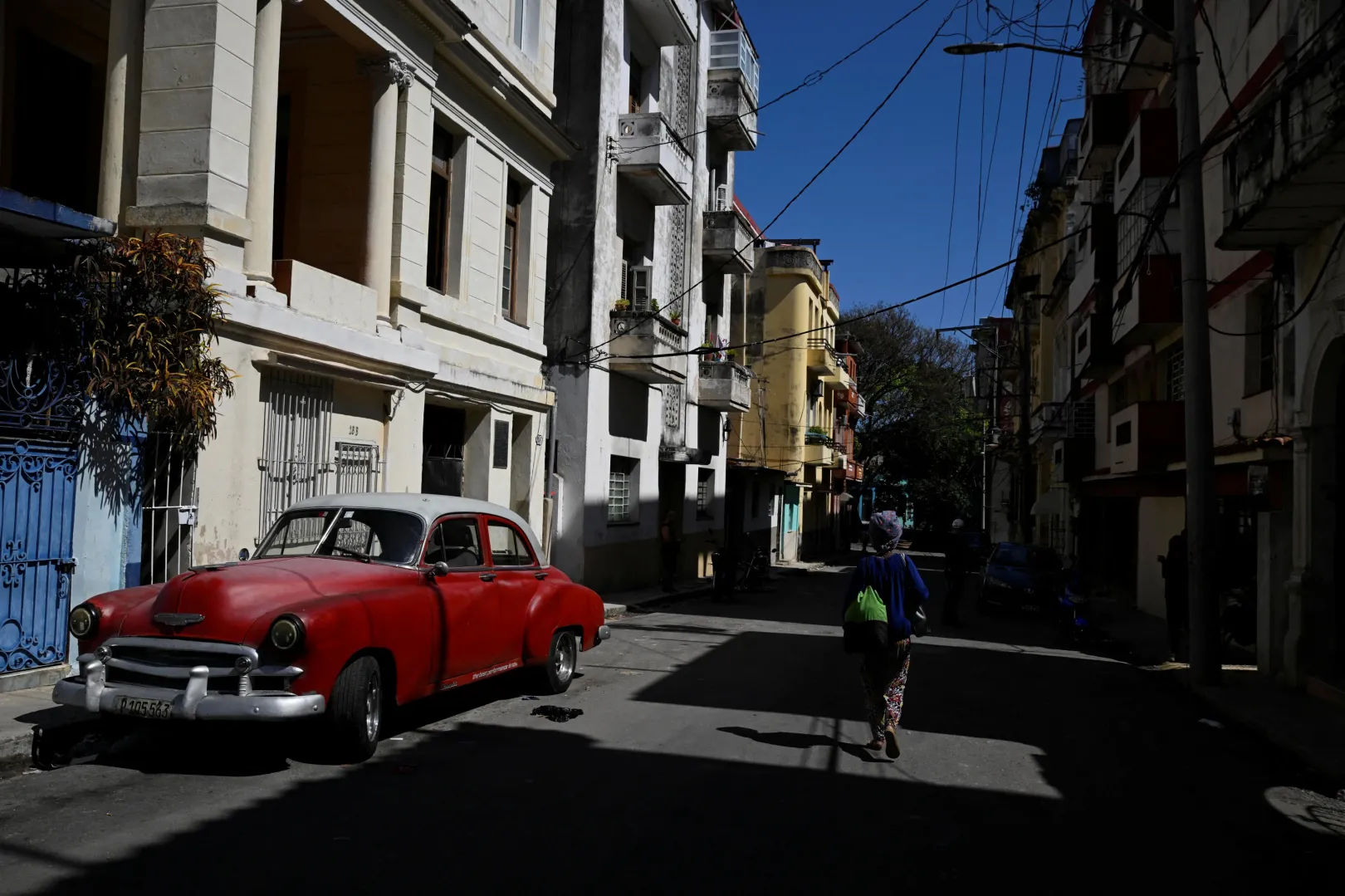
Regina Zaida Jorge around her apartment – Photo: Norlys Perez / Reuters
The state electricity company is struggling to provide power for at least a few hours a day. Gas stations have been empty for months. For those who use gas cylinders for cooking, charcoal or, in many cases, wood is now the only option left.
“I can buy gas in an online store. But a bottle costs US$29, whereas before when I bought it from the government it was only a few cents,” he said he told the Guardian Martha Pérez, who lives in the poorer neighborhood of Havana called Bahía. You certainly can’t do that: your pension, completely devalued by hyperinflation, is worth less than $10 (which is even higher than average). As he said, some of his neighbors took to the street in protest, and some of them were later taken away by the police.
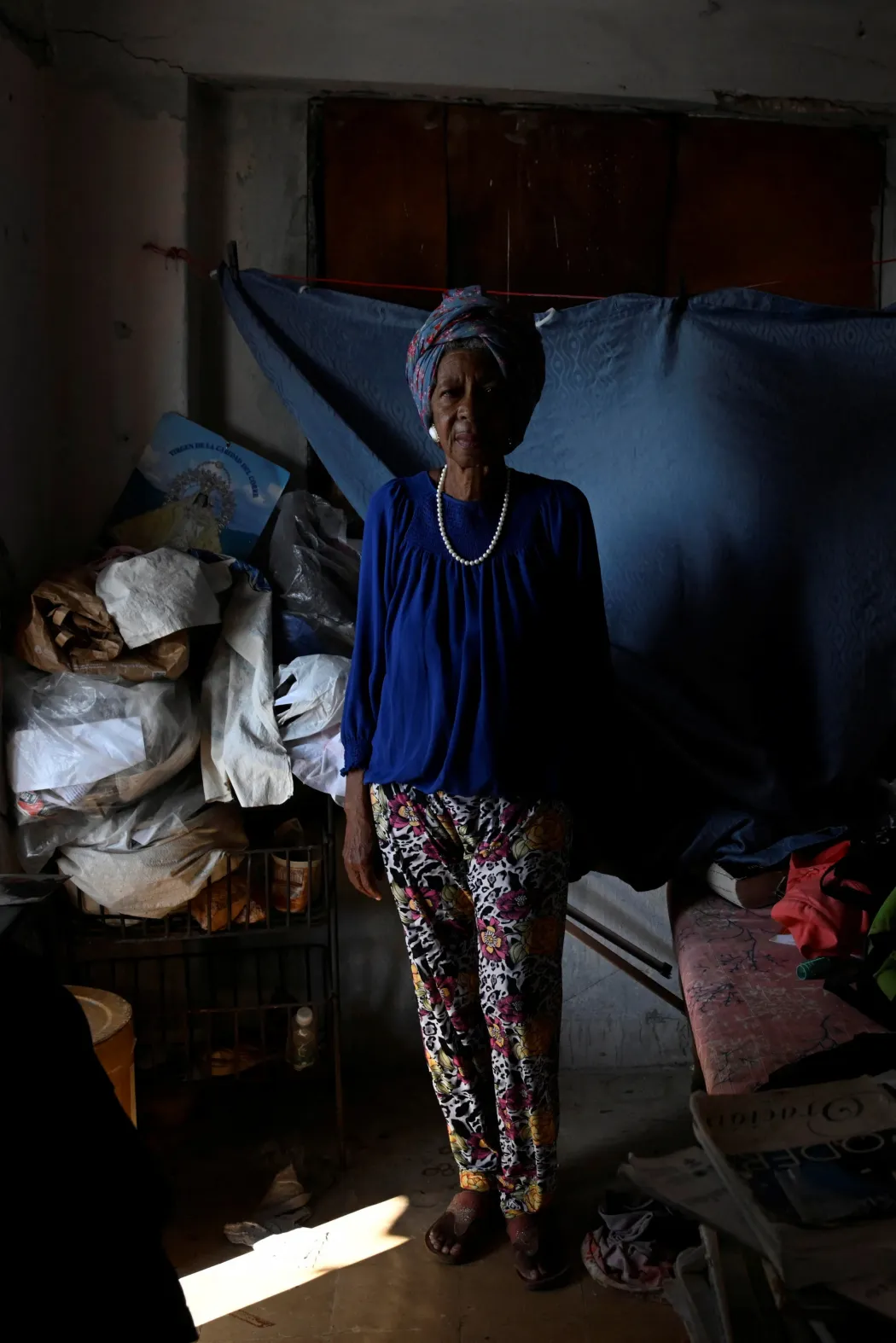
Regina Zaida Jorge – Photo: Norlys Perez / Reuters
Regina Zaida Jorge lives in a servant’s quarters in a building that has seen better days, she has to get by without money sent from abroad. The 74-year-old retired doctor has no water in his tiny apartment, he can carry it from the water tank on the roof, while he gets food from food rations provided by the state and aid distributed by the church. “These are just make-believe measures that are enough to keep you alive. You can forget that one day you will have a TV or a phone, our pension is not enough for anything,” he said.
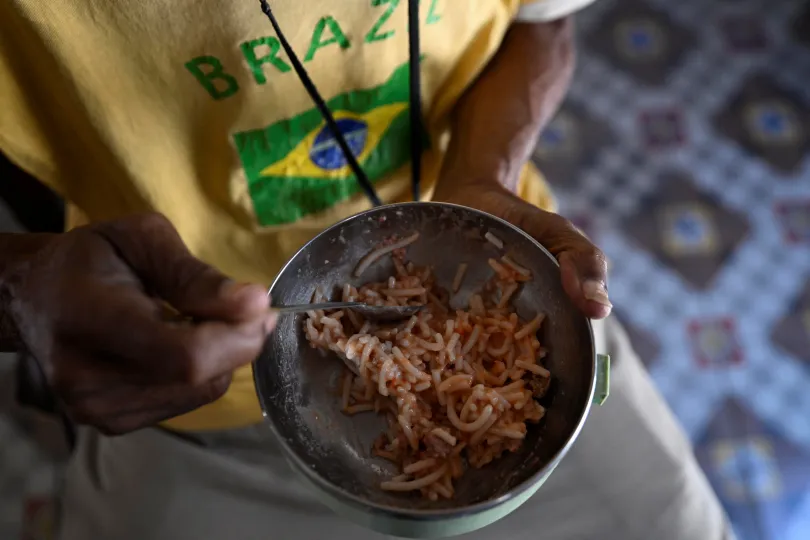
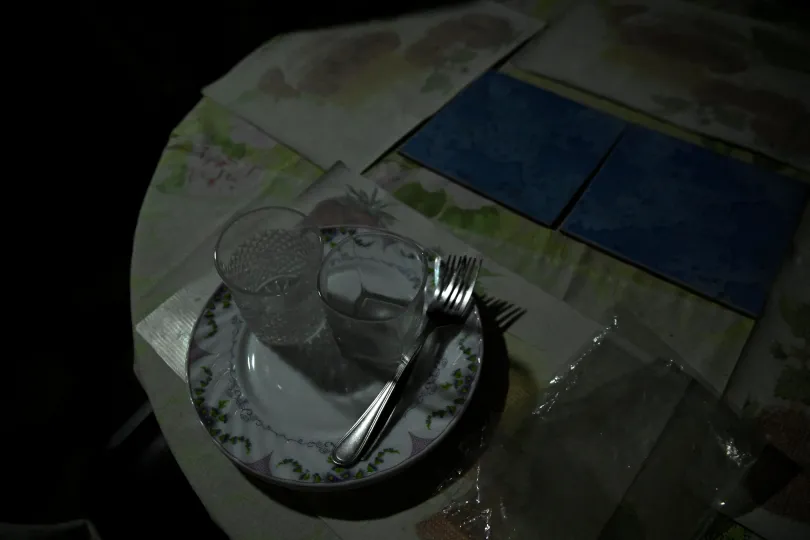
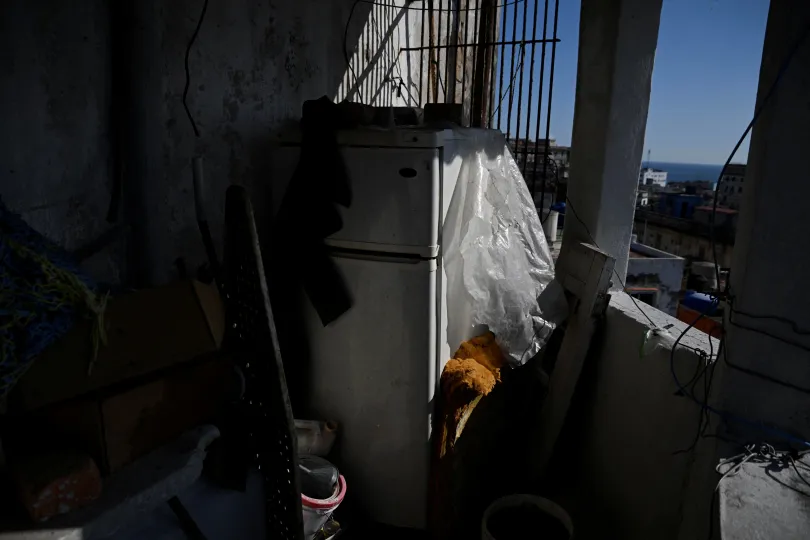
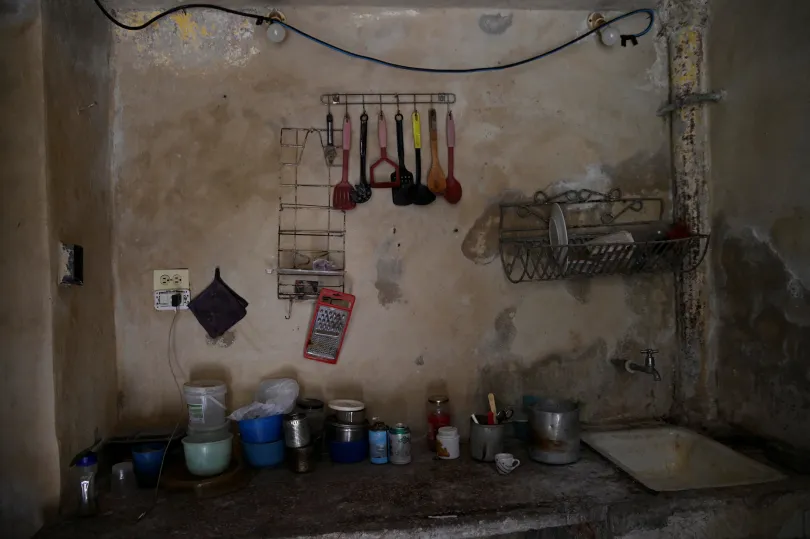
Photo: Norlys Perez / Reuters
“I feel like I sacrificed my life in vain,” said the retired doctor. According to him, as a low-paid government employee, he has given his all to a system that is incapable of even providing him with basic things like a bar of soap in his old age.
They are an extremely vulnerable social group, said Etienne Labande, WFP representative in Havana, about the elderly. There are problems not only with adequate food supply, but also with medical care. The communist country used to be very proud of its health care system, it was considered to be their greatest achievement, but it is now suffering as a result of the sanctions. There are far fewer doctors, and 70 percent of basic medicines are in short supply, if they were ever available at all. According to data from the Ministry of Health, by the end of the year, more than 160,000 people will be on the surgery waiting list in the country of 10 million.
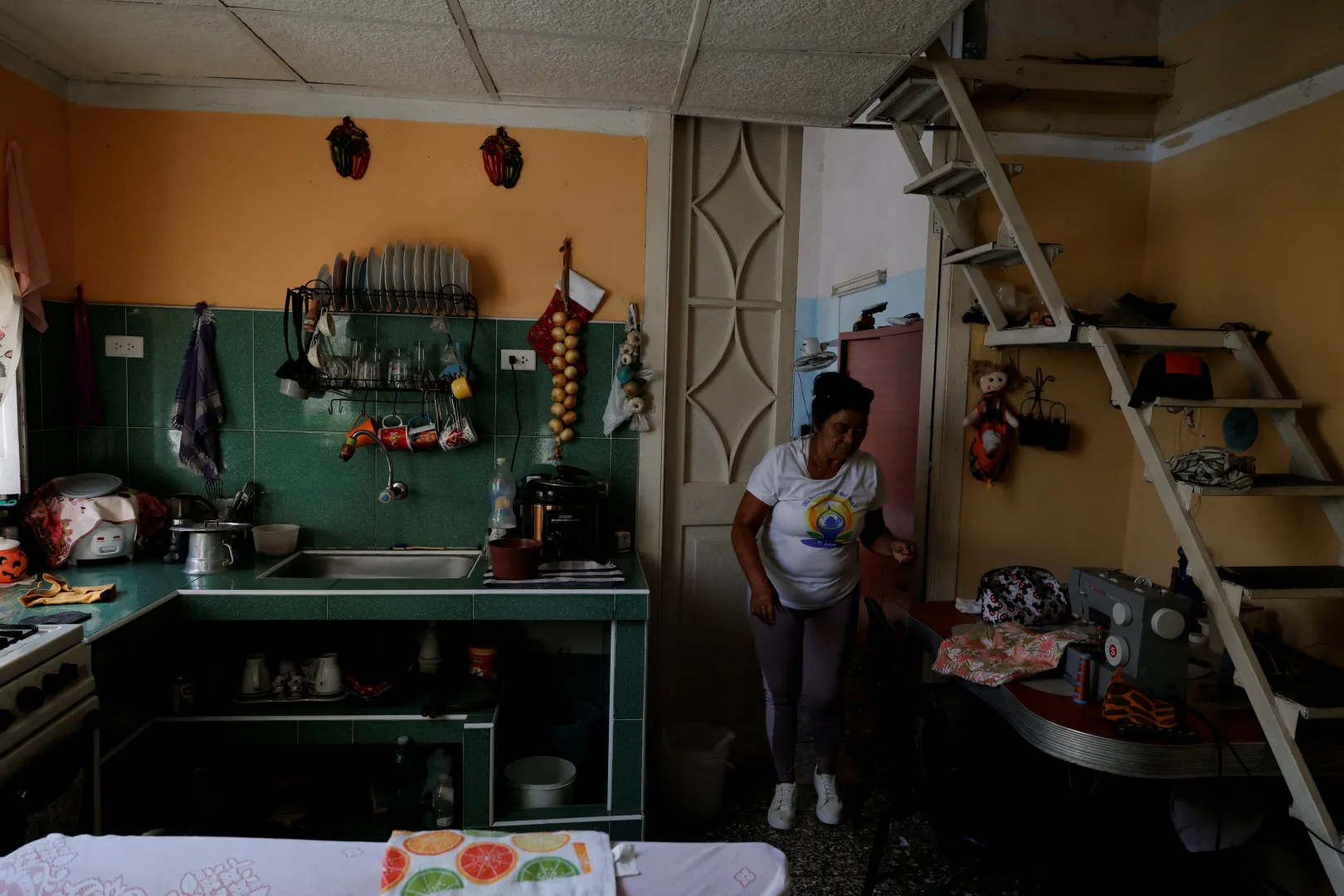
Sonia Belmonte at her home in Havana, Puebla on May 6, 2026. Belmonte receives approx. He gets $100 – Photo: Norlys Perez / Reuters
73-year-old Sonia Belmonte Puebla is in a more fortunate situation, who, if not a large amount, at least receives money from her daughter who lives in Florida. Unlike the majority of her generation, she claims that she does not suffer from deprivation and enjoys her old age: she and her husband live in an apartment, and they hardly need state support. “I can indulge every once in a while, and I eat good ones,” Belmonte said.
The other extreme is those who have no roof over their heads. “Homelessness has always existed in the country. But now more and more people are living on the streets,” he said to Le Monde Innaris Suarez Cardenas, director of the Sant’Egidio community in Havana. According to him, the Cuban government continues to try to deny reality, but they simply cannot do that now.
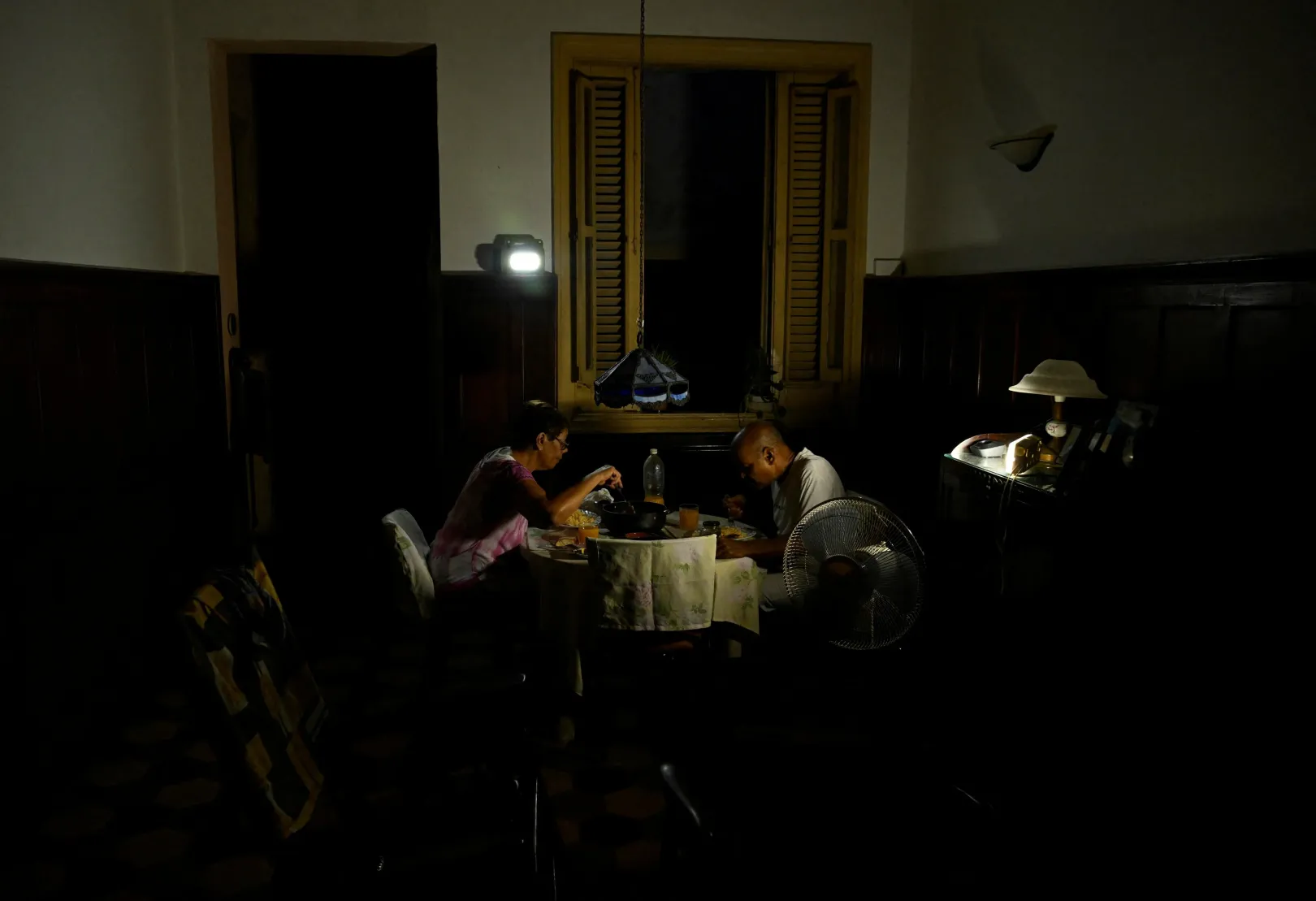
Mayra Madariaga and Renato Lombard have dinner by the light of flashlights at their home in Havana on September 2, 2025 – Photo: Norlys Perez / Reuters
“Good evening! Are you hungry? Would you like a snack?” Claudia Alonso Betancourt asked an emaciated old man with a kind smile. As every Monday and Friday afternoon, a volunteer from the Catholic organization Sant’Egidio walked through the streets of Havana’s historic center with a shopping bag full of food on his shoulder. Together with other members of the international religious community founded in Italy and operating in Havana, he distributes comforting words and food to the homeless.
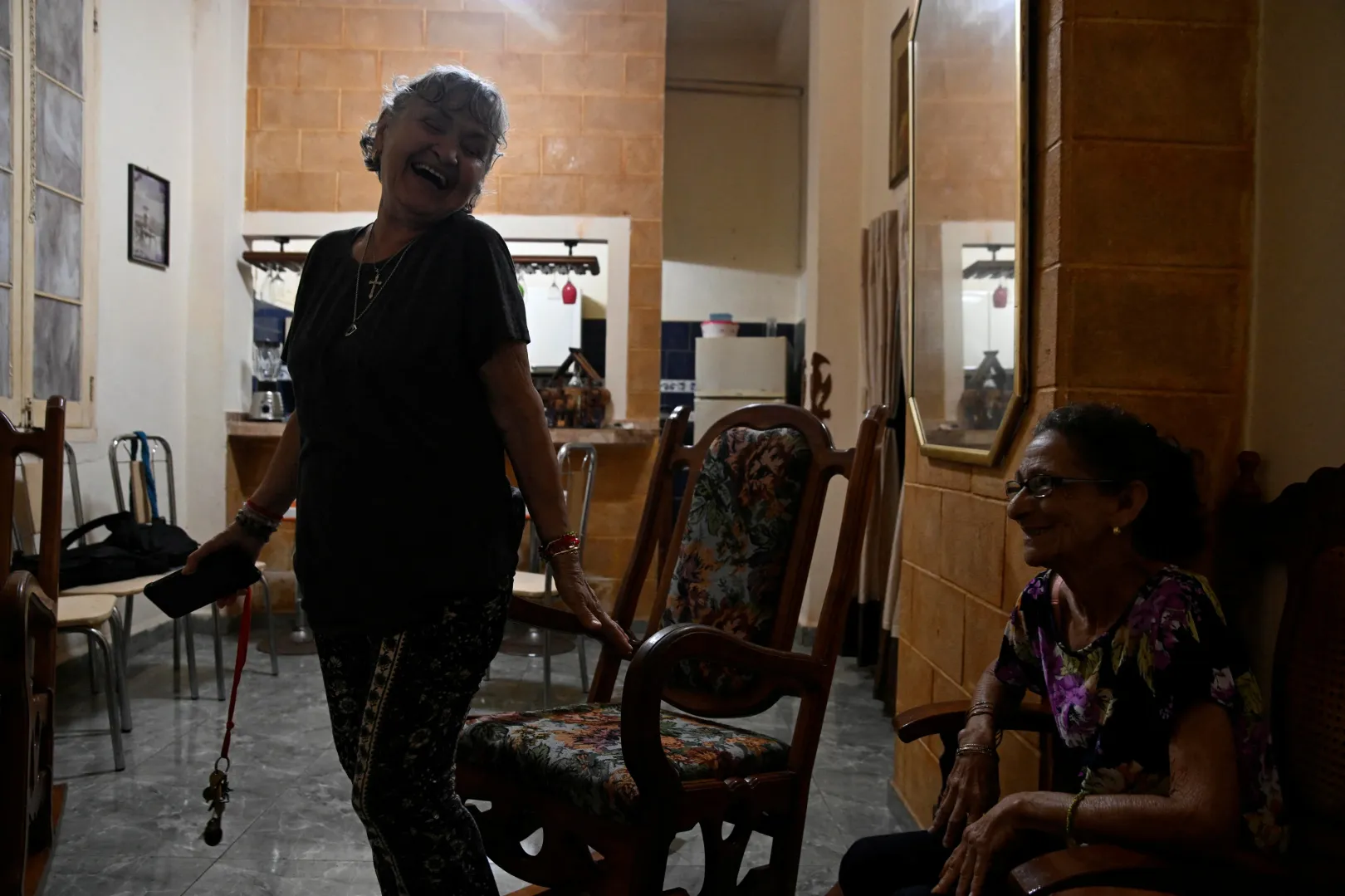
Regla Rodriguez and her girlfriend at Rodriguez’s apartment on March 12, 2026 – Photo: Norlys Perez / Reuters
By now, the situation in the country has really reached such a point that even the communist leadership does not deny that there is a problem. “Urgent changes are needed in Cuba’s economy to overcome the crisis exacerbated by the US oil embargo – announced recently President Miguel Díaz-Canel in his speech to the leaders of the Communist Party. “The situation calls for urgent and inevitable changes,” he continued, also admitting that the country’s communist model also needs to be reconsidered.
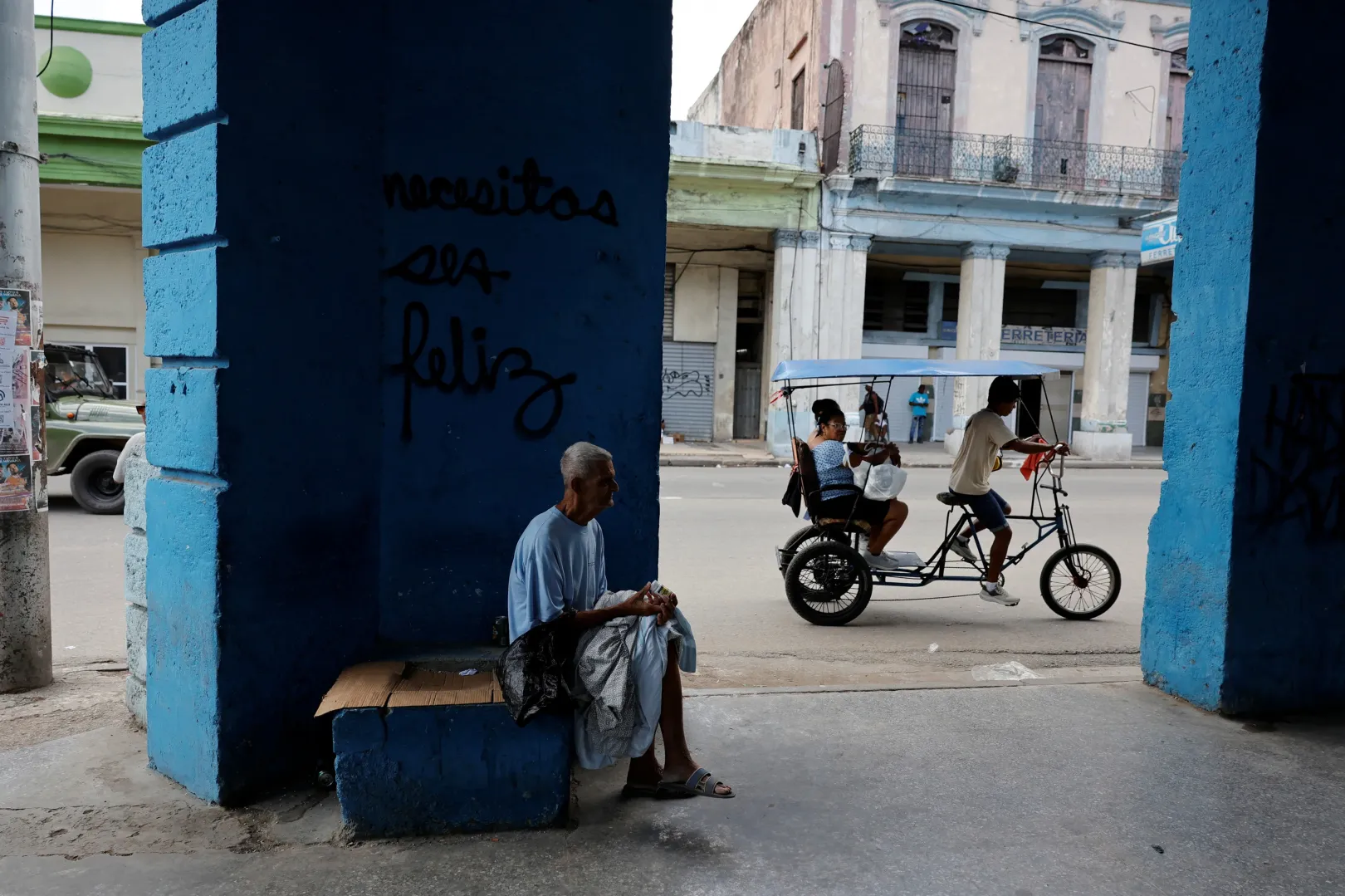
Jose Manuel Diaz in Havana on May 6, 2026. The 83-year-old retired music professor sells small things on the street to survive – Photo: Norlys Perez / Reuters
In his speech, Díaz-Canel cited China and Vietnam as possible examples of how Cuba’s economy could be opened to the world in order to create economic prosperity and distribute wealth more equally. In a surprisingly candid speech, he said that “when people’s lives become so difficult, it is the responsibility of the Communist Party and the government to change what needs to be changed instead of trying to trivialize the crisis.”