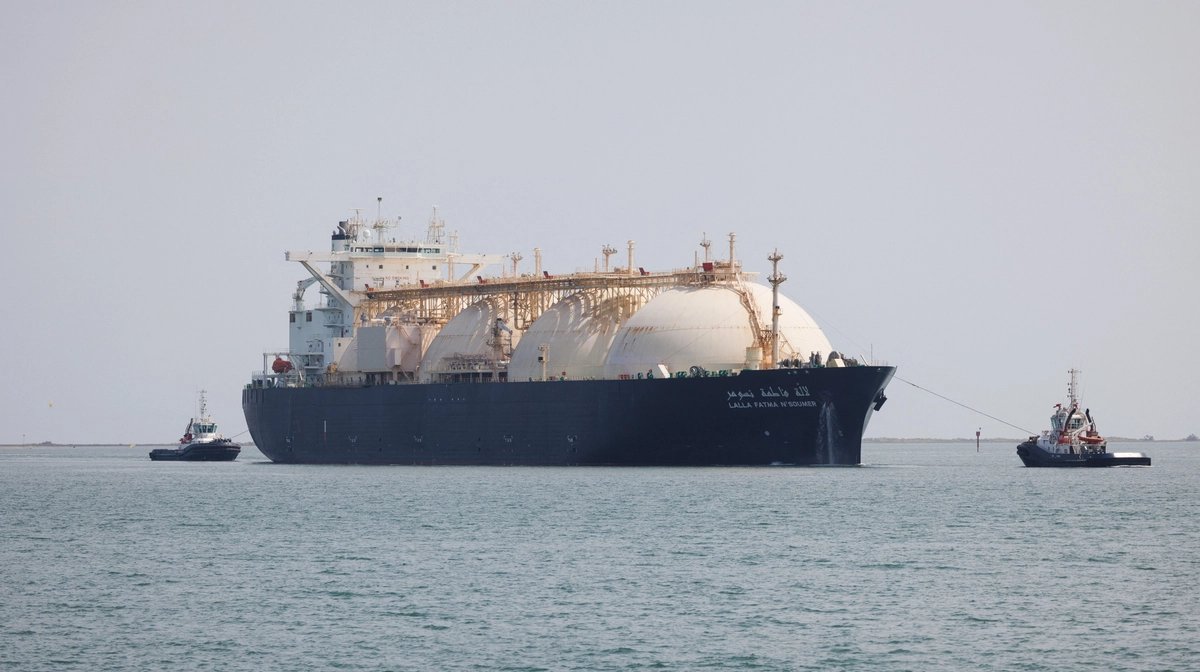
Iran has told mediators it will continue to limit the number of ships allowed to pass through the Strait of Hormuz and charge passage fees for the duration of the ceasefire agreement.
Source: The Wall Street Journal with reference to informed sources
Details: According to interlocutors of the publication, ships passing through the strait will be required to obtain a special permit from the Islamic Revolutionary Guard Corps (IRGC).
Advertising:
At the same time, the IRGC will continue to reserve the right to completely block passage for those vessels belonging to countries that Tehran considers hostile.
In addition, Iran is pushing for a new shipping control system in the region as part of a future final deal with the US that would enshrine Tehran’s right to levy duties on ships on a permanent basis.
Earlier on Friday, April 17, Iranian Foreign Minister Abbas Araghchi published a post on the X social network in which statedthat in accordance with the terms of the cease-fire in Lebanon, the passage for all merchant vessels through the Strait of Hormuz is declared fully open for the duration of the ceasefire.
At the same time, other Iranian officials denied this information.
“Only some commercial vessels will be allowed to sail through the Strait of Hormuz on condition of payment of tolls,” conservative MP and member of the negotiating team Mahmoud Nabavian said in a post in X.
Ali Hezrian, a member of Iran’s parliament’s national security commission, later confirmed that the toll would continue to be levied.
What preceded:
- April 16, US President Donald Trump announcedthat Israel and Lebanon have reached a cease-fire agreement.
- April 17 Trump stated in social networks that Iran has opened the Strait of Hormuz.
- Later, in a new post, Trump said that the Strait of Hormuz is “ready for work and full passage of ships.” However, according to him, the blockade of Iranian ports “will remain in full force and effect” until the US-Iran agreement “is 100% implemented.”