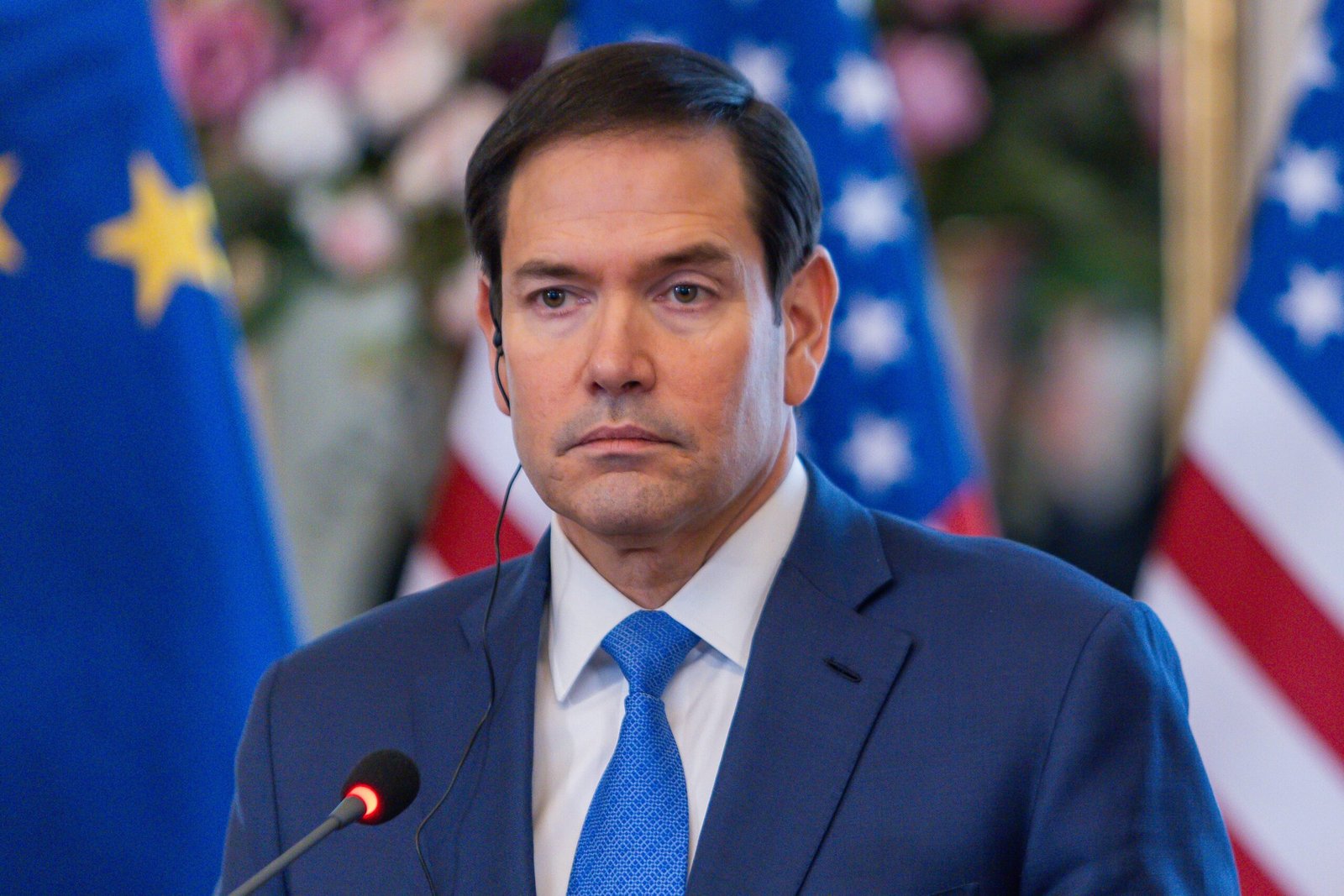
US Secretary of State Marco Rubio announced that a framework agreement had been reached between Lebanon and Israel following negotiations held in Washington, reports Al Jazeera.
Details of the deal are currently scarce. But in his address, Rubio made it clear today that the agreement represents only a “first step” in further negotiations.
“This is the beginning of the beginning. We still have a lot of work ahead of us. In no way do we underestimate the weight of the task that awaits us, but we understand its importance and how essential it is,” said Rubio, surrounded by representatives of Lebanon and Israel.
The two sides met in Washington for four days of US-brokered talks that began on Tuesday. The Lebanese group Hezbollah did not participate in the negotiations.
Fighting continues despite the memorandum
Meanwhile, continued fighting in Lebanon threatens to derail efforts to reach a cease-fire between Iran and the United States.
On June 17, the US and Iran signed a memorandum of understanding aimed at stopping the US-Israeli war against Iran. The 14-point document called for “an immediate and permanent cessation of military operations on all fronts, including in Lebanon.”
But Israel controls almost a fifth of Lebanon’s territory and continued to bombard the country even after the signing of the memorandum.
The two sides agreed to a ceasefire last Friday, but Israeli forces are still deployed in southern Lebanon. Although the attacks have decreased, they have not stopped.
So, an attack in southern Lebanon on Thursday killed three people and set fire to more houses, as Israel continues its campaign, which it says is directed against Hezbollah.
“Israel must withdraw unconditionally”
Meanwhile, Hezbollah’s leadership demanded that Israel withdraw completely from the country as a necessary condition for peace.
“Israel must withdraw unconditionally,” Hezbollah leader Naim Kassem said today.
But shortly after the framework agreement was announced, Israeli Prime Minister Benjamin Netanyahu played down hopes of such an outcome.
“The most important thing is, first of all, that Israel remains in the security zone in southern Lebanon. It is a great achievement and we will keep it until Hezbollah is disarmed,” Netanyahu said.
Netanyahu: The Israeli army will remain in southern Lebanon as long as necessary
At the same time, Hezbollah rejected the talks, saying they undermine Lebanon’s sovereignty.
“The course pursued by the Lebanese authorities represents unilateral and unjustified concessions that will only weaken the state and serve the interests of the Israeli enemy,” said Hezbollah lawmaker Hassan Fadlallah.
Line tensions between Trump and Netanyahu
The fighting in Lebanon has become a growing source of tension between Netanyahu and US President Donald Trump, who faces domestic criticism over the war on Iran.
Earlier this month, Trump confirmed that he had called Netanyahu “crazy”, although he stressed that the Israeli leader is a “very good man” with whom he has a “great partnership”.
“We have a little disagreement over Lebanon,” Trump said at the Group of Seven (G7) summit in France last week. “You don’t have to demolish a building every time someone who is affiliated with Hezbollah walks into it,” he pointed out.
Trump then called on Netanyahu to show a “softer approach” to Lebanon.
“They can handle Hezbollah a lot better. I don’t think they’re doing it well. And I’m really sorry for Lebanon,” Trump added.
Netanyahu is a good man, but sometimes he gets a little excited, Trump says
And Rubio worried about the situation in Lebanon
At today’s press conference, Rubio reiterated his concern about the situation in Lebanon.
“The people of Lebanon have suffered for decades because of external interference in their affairs and because other countries are trying to use the country as a platform for attacks. This is not what the Lebanese people want, nor is it what they deserve,” he said.
The meeting was billed as the first high-level meeting between the two sides since 1993, but then ended with little more than an agreement to “start direct negotiations” in the future.
This was followed by two more days of talks in May, which ended with a “negotiating framework for achieving lasting peace” similar to the one announced today.
“The train is moving in the right direction“
The Lebanese ambassador to the US, Nada Hamadeh, described the latest meeting as “long and difficult”, but expressed optimism that the new framework could move peace talks forward.
“The trilateral framework we are signing today is the first step towards restoring Lebanese sovereignty and territorial integrity, ensuring a permanent and final cessation of hostilities, enabling our people to return to their land and all Lebanese to live in peace, security and prosperity,” she said.
Her Israeli counterpart Yehiel Leiter praised Hamadeh as a “tough negotiator” who “fights like a lioness” for her country. He also assessed that the latest round of talks “has put the train back on the tracks”.
“The train is moving in the right direction. The final destination? Peace between our two countries. Real peace, in which both Israel and Lebanon will live in safety, and the sovereignty of both countries will be respected, respected and protected,” Leiter said.