
In any trendy bar in Lima, between dim lights, too loud music and overpriced cocktails, the question was the same for two months: “So who is going to win?”. The electoral ghost crept into Lima life in such a way that it ended up reaching even those who went out in search of distraction.
At the end, there will be orange confetti. But the electoral arithmetic leaves an uncomfortable observation: both Keiko Fujimori and Roberto Sánchez advanced to the second round after being rejected by the majority of voters in April. And we still don’t know if being crowned in the Palace by a few tenths of a percentage point will be a reward or a punishment.
However, this fixation with pyrrhic triumphs is not a Creole anomaly, but a global trend. Today, both at the polls and on the battle fronts, the objective is no longer to defeat the enemy, but to survive the process.
There was a decidedly more predictable time when contests ended quite simply: one side won; the other lost. Today the sophistication is different. After months of fighting and billions of dollars evaporated, the United States and Iran signed an unexpected armistice in the golden halls of Versailles. A century ago, the palace symbolized the defeat of the defeated; Today it harbors an agreement in which everyone survives and no one gets quite what they sought.
In fact, if one looks at the initial objectives of each party, the balance is much less glorious than the announcements of Donald Trump or the ayatollahs suggest.
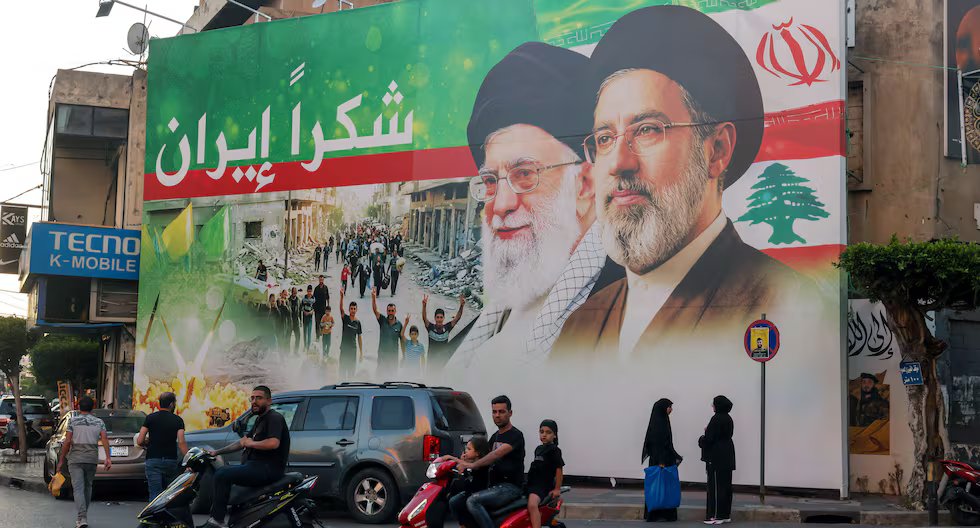
Washington failed to overthrow the Iranian regime or definitively resolve the nuclear problem. The Islamic Republic survived, but to govern a population it could not protect, confined in an increasingly hostile neighborhood. Israel also did not obtain the strategic transformation it sought in the region; rather, he received a reprimand for his actions in Lebanon.
Still, the paradox is not exclusive to the Middle East either. From the Gulf to Ukraine, technology has achieved a peculiar feat: the victories are increasingly difficult to distinguish from the bills they leave behind.
This is how we see a Ukrainian drone costing just a few thousand dollars destroy a Russian tank worth millions, or an Iranian Shahed costing just 20 thousand dollars forcing the expenditure of an American Patriot missile that costs the uncomforting figure of 4 million dollars to intercept it.
The art of war, it seems, has become strangely democratic: attacking is ridiculously cheap; defending yourself is priceless.
In fact, the pragmatic Gulf countries, rather than discussing who won this time, are preparing for the next crisis, accelerating alternative trade corridors, railway projects and complex defense systems against drones and missiles. They have understood something that perhaps is still not fully understood in the West: the American umbrella still exists, it simply no longer seems sufficient.
And this is where the story becomes unexpectedly familiar to Peruvians. The logic is identical, although the cost is measured with another currency. In the Middle East, bodies are counted. In Peru there are empty institutions, electoral bodies under suspicion and stability that is eroded election after election. There are casualties here too, it’s just that they don’t have a wake.
Perhaps that is the most curious thing of our time. Wars no longer produce absolute winners. Neither do the elections. They end up with the defeated capable of proclaiming themselves winners, and with champions forced to manage power as if they had lost.
Perhaps that is why we have been compulsively refreshing the ONPE page. Not to find out who won. That already seems clear. But to measure how small a victory can be before it looks too much like a defeat.