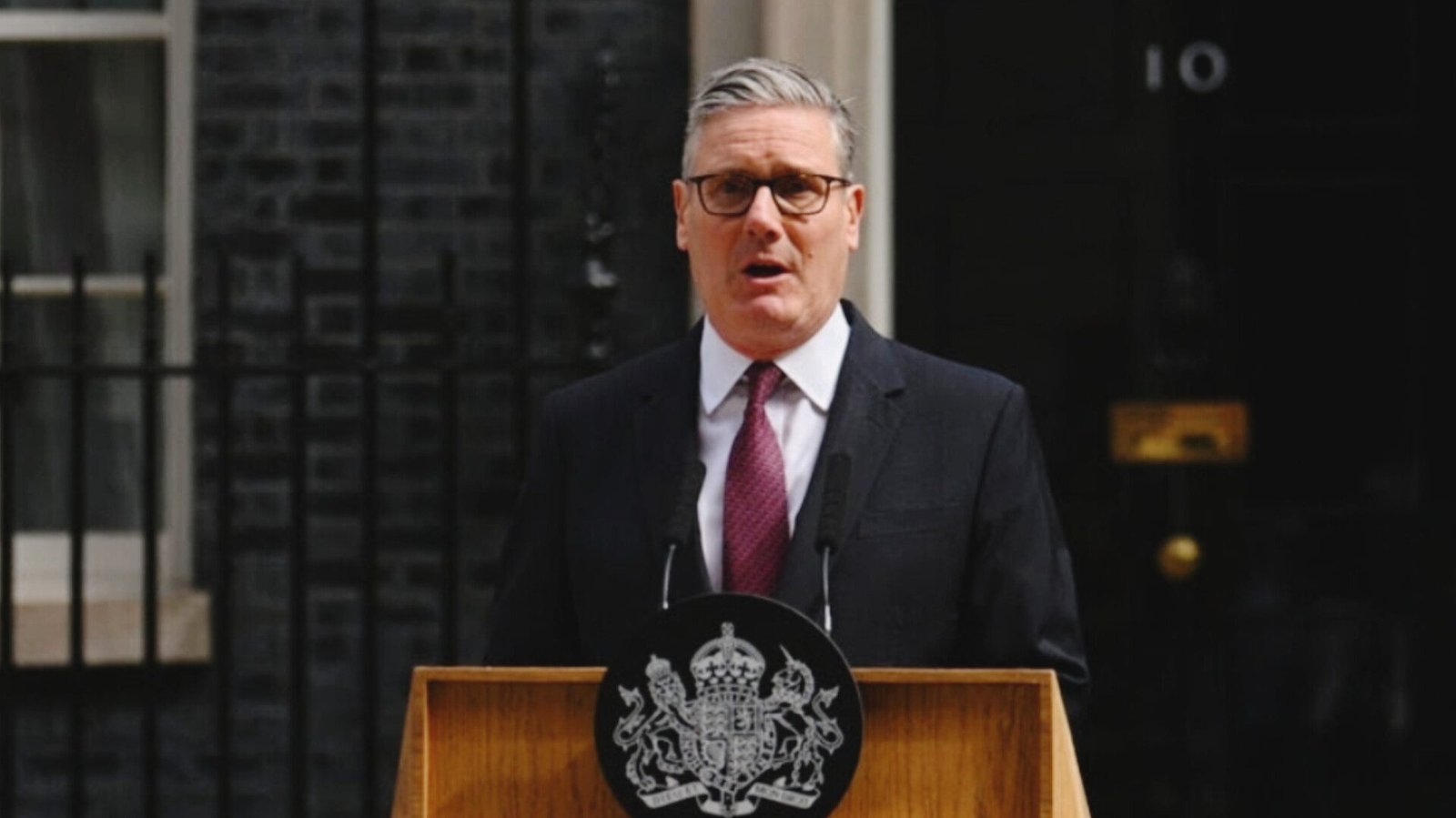
British Prime Minister, Keir Starmer has announced he will step down, setting the UK on course for its sixth prime minister in seven years.
Here’s the latest
Prime Minister Starmer has announced he will resign after mounting pressure from within his own governing party.
Potential challenger: Greater Manchester Mayor Andy Burnham is seen as the frontrunner to take over after resoundingly winning a special election in northwest England and securing his return to parliament.
Political upheaval: Just two years after the Labour government swept into power in the UK with a landslide majority, the government will now enter a new period of uncertainty.
Meanwhile Trump ally Nigel Farage, who leads the hard-right party Reform UK, has “demanded an election” after Keir Starmer announced his resignation.

“If Labour thinks it can shove another professional politician into No 10, it has another thing coming,” Farage wrote in a social media post.
Under British law, the governing Labour Party does not have to hold a general election until 2029, five years after the last one. Governments can choose to hold one sooner if they so wish, though Labour has given no indication it intends to do that.
In recent British political history, it is not uncommon for prime ministers to come to power in between general election cycles, though sometimes they do choose to hold elections shortly after they assume the premiership.

Post Views: 1,675