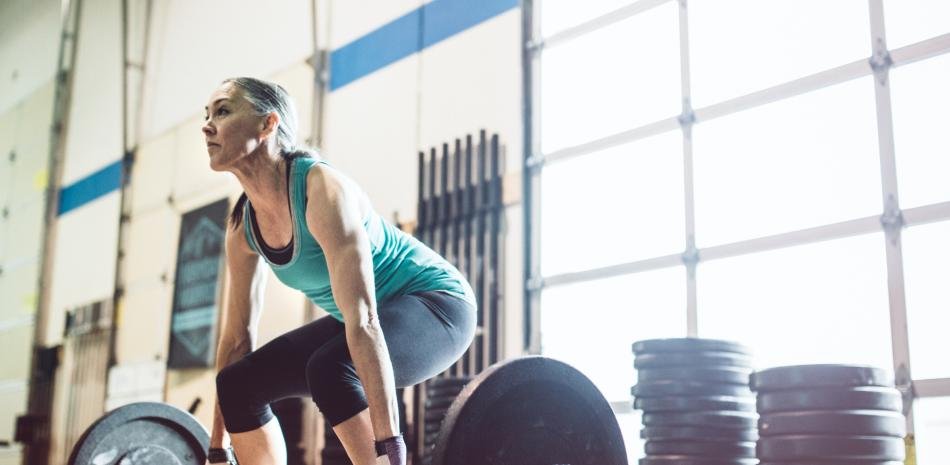
The reality that women live today after the age of 50 leads them to think a little more about themselves. He’s making time for trainfor exercise and to be in shape. Some do it not for aesthetic reasons, but for health and welfare.
But there is a key question that must be answered:Weights either walk?
“I I recommend more weights than walkingbut if you combine the two you will do better. Walking is great for your heart, circulation, and mood. But by itself it does not stop muscle loss or protect bones,” he recommends. Bernabe Lagrulespecialist in high performance and functional health.
From his knowledge, strength training (with weights, elastic bands or your own body weight), is the only type of exercise that directly stimulates the muscle growth and the bone mineralizationimproves the balanceprotects joints and drastically reduces the risk of falls.
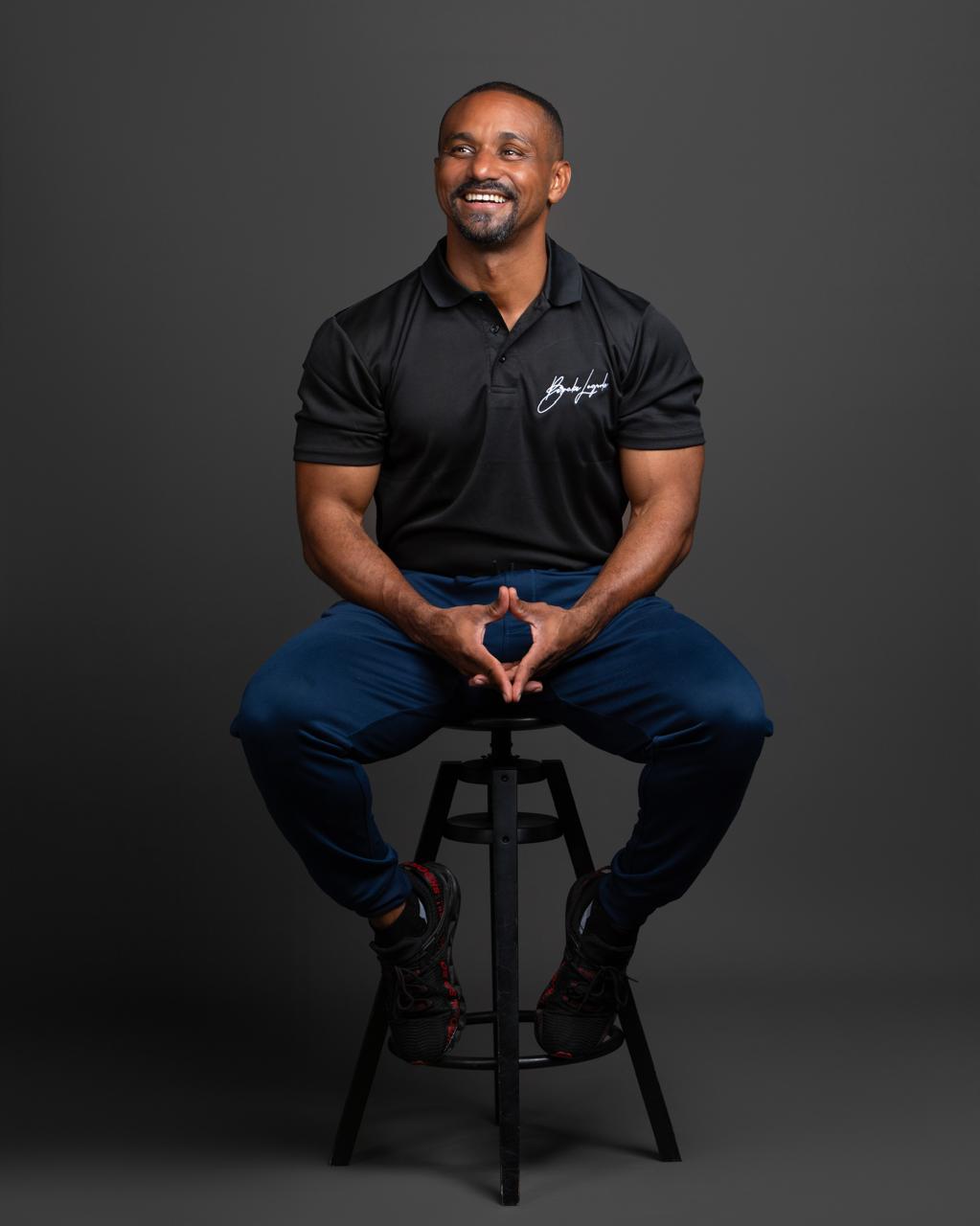
Bernabé Lagrule is a coach, businessman, writer and trainer
He makes the reservation that “the heart is a muscle… and like any muscle, if we do not exercise it, it weakens over time, so moderate cardiovascular exercise (walking at a good pace, dancing, swimming, cycling) strengthens the heart, improves circulation and reduces the risk of heart attack, hypertension and stroke.”
“According to the World Health Organizationwhich recommends 150 minutes of moderate activity per week, 30 minutes of activity for five days a week can change your life.”
Lagrule explains that after the age of 50, muscle is not just aesthetic, it is functionality: getting out of bed alone, carrying the supermarket shopping, playing with your grandchildren on the floor and not needing help to get up, in short not depending on anyone to live.
“A strong body also protects the joints, regulates blood sugarcontrol weight, improves sleep and keeps the metabolism active. The science is clear: the greater the muscle mass, the lower the mortality in older adults, meaning that muscles not only make you live better, they help you live longer,” says Lagrule.
The CEO of BL Performance Center says that contrary to the belief that “after 50’s, rest should replace movement, which the body has already fulfilled and should rest, is false and dangerous.”
“From the age of 30, the body begins to lose muscle mass gradually (between 3% and 5% per decade), in a process called sarcopenia. At 50, this deficit is already felt: tiredness when climbing stairs, pain in the knees, difficulty getting up from a chair, less balance, but it is not the age itself, it is the muscle that has not been exercised,” says Lagrule.
Lagrule explains that the good news is that the human body can respond to training at any age, “in the exercise of our profession we see people aged 70, 80 and even 90 who have recovered strength, mobility and autonomy with an appropriate program.”
Benefits of regular training after 50’s
This is an equation of less and more… we are talking about that if you exercise regularly there are changes that no medication alone can give you: greater strength, mobility and physical resistance, less joint painmore encouragement, less anxiety, more quality of sleep, less risk of cognitive decline, more strength in the heart and less cardiovascular risk.
He recommends training after 50 with professional guidance, “because at this age the body has its history: surgeries, medications, chronic conditions, specific limitations. Following a program designed for someone over 30 can be inappropriate and even harmful for someone over 55.”
“The certified and specialized trainer evaluates your real condition, designs a program adapted to you, corrects your technique so that you never get injured, and adjusts the training as your body responds and improves.”
To mothers who have been the pillar of a family for decades, caring, giving, supporting, Lagrule sends the message that “taking care of yourself is not an act of selfishness, it is the most generous act you can do for those you love, because when you are well, strong, active, full of energy… everyone around you wins. Your children see you differently, your grandchildren have someone to play with and you regain something that you should never have lost: the right to live your life to the fullest,” says the expert.