According to Economy Online, in the global market, the steady US interest rate and the cautious tone of the Federal Reserve have increased the attractiveness of dollar assets and put new pressure on the gold ounce; A market that typically becomes more vulnerable to higher rates because it does not generate periodic interest, unlike dollar bonds or deposits.
Inside Iran, the recent statements of Economy Minister Madanizadeh about the need to strengthen short-term rates to attract liquidity have emphasized the possibility that the politician is looking to create a more serious competitor for the gold and foreign exchange markets. However, the effectiveness of such a path depends on an important condition: that the rial profit can compete with expected inflation and the risk of exchange rate growth in the investor’s mind.
Why does the interest rate attract capital?
When interest rates rise, bank deposits and bonds offer investors more predictable returns and less volatility than volatile markets like gold and currency. In such a situation, gold and foreign exchange must generate higher returns from the path of price growth in order to maintain their attractiveness. For this reason, an increase in interest rates can divert a part of capital and liquidity away from high-risk markets and towards less volatile options.
The message of the bond auction to the money market
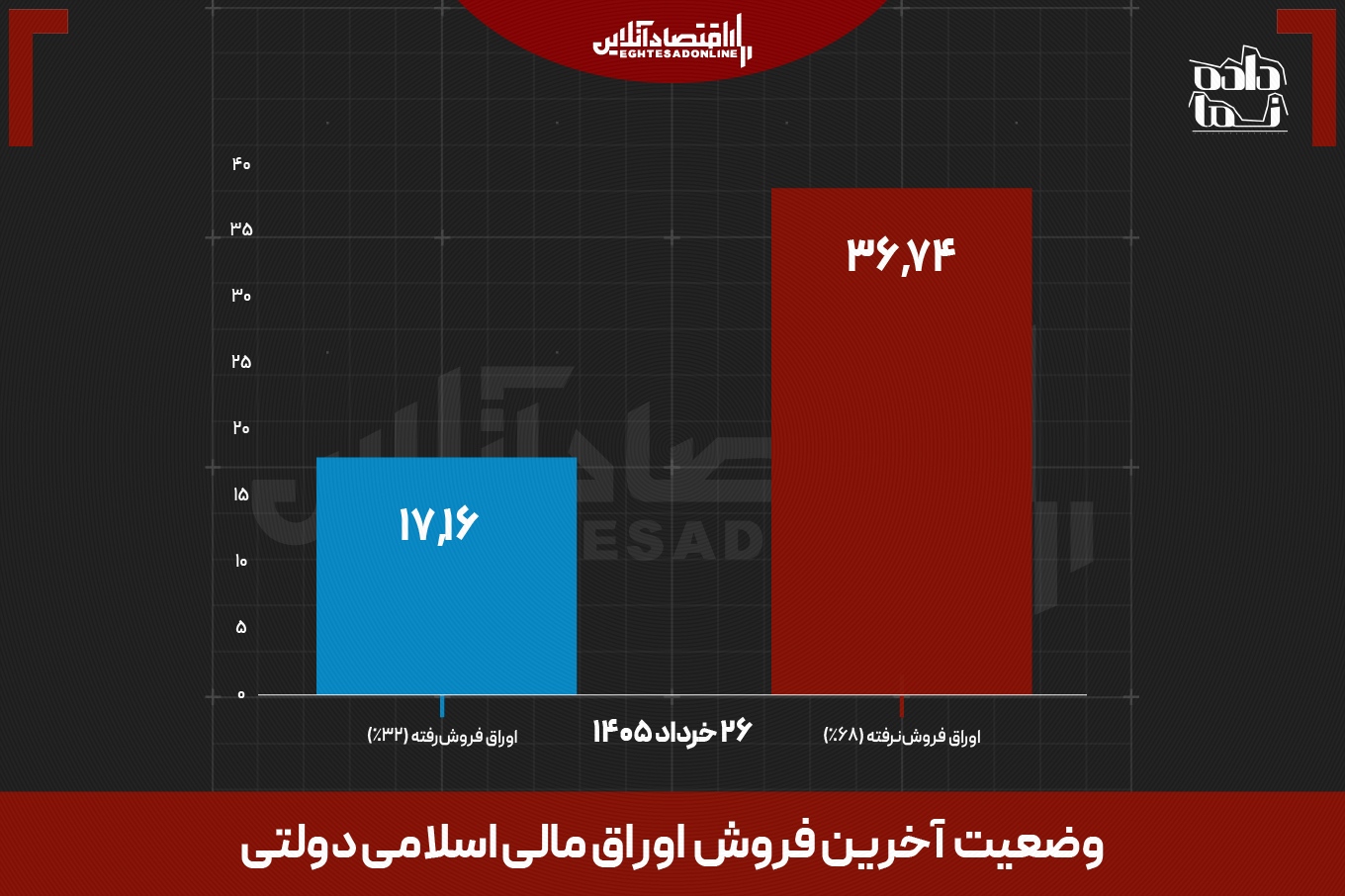
The result of the auction of government bonds on June 26, 1405 showed that the financing of the government through bonds is still facing the obstacle of demand. Out of a total of about 53.9 hemats of offered bonds, nearly 17.16 hemats were sold and about 36.74 hemats remained without buyers. This statistic does not necessarily mean a definitive decision to increase the Sebod rate, but it can strengthen a hypothesis: when the market does not show enough enthusiasm to buy government bonds at current rates, the policymaker may think of strengthening short-term rates or increasing the yield of deposits and bonds to make Rial assets more attractive. In other words, the market is sending the message that it demands higher returns to lock money in Rial instruments.
The effect of higher rates on markets is not uniform. In the global market, US interest rates remaining high usually lead to a strengthening of the dollar and increased pressure on the ounce of gold, as global investors compare low-yielding gold with profitable dollar assets.
But in Iran, the story is more complicated; Domestic gold is affected by both the global ounce and the dollar rate; Therefore, even if the interest rate increase can reduce part of the capital demand for gold and currency, the durability of this effect depends on the control of inflationary expectations, the stability of the currency market and the distance between the interest rate and inflation.
The end of the charm of the dollar and gold?
In sum, the interest rate in the world market and the interest rate in the Iranian economy have again become a serious competitor for the gold and foreign exchange markets; But this does not mean the end of the attractiveness of these markets. In the global market, the path of the ounce depends more than anything on the direction of the Federal Reserve and the strength of the dollar.
In Iran, the fate of capital demand for gold and currency is not determined only by the interest rate; Rather, it depends on expected inflation, exchange rate outlook and investors’ confidence in policy stability; Therefore, although higher rates can pull part of the funds towards deposits and bonds, gold and dollar can still maintain their attractiveness until inflationary and expected risks are reduced.