
A growing number of K-pop acts from the past are reuniting years after their disbandment, as an expanding market of older fans creates new demand for nostalgia-driven projects.
Groups including I.O.I, Secret and SeeYa have recently returned with reunion activities, joining a trend that industry officials say is being fueled by fans who had followed the artists as teenagers and now have greater purchasing power as adults.
Among the latest examples is Secret, which released the special EP “Secret Flavor” on June 18, marking the group’s first full-group comeback in 12 years.

The reunion drew attention after the group recruited vocalist Yebin to participate in the project in place of former members Han Sun-hwa and Song Ji-eun.
While some fans initially questioned whether a new member could match the vocal capabilities of the original lineup, concerns largely subsided on June 12 following the release of a live performance video of “Madonna,” one of the group’s most famous hits.
Nearly 15 years since its disbandment in 2011, vocal trio SeeYa is preparing for a reunion to mark the group’s 20th anniversary. To facilitate the reunion, the bandmates established their own company and have since appeared on a number of television programs and university festival stages to promote the project.
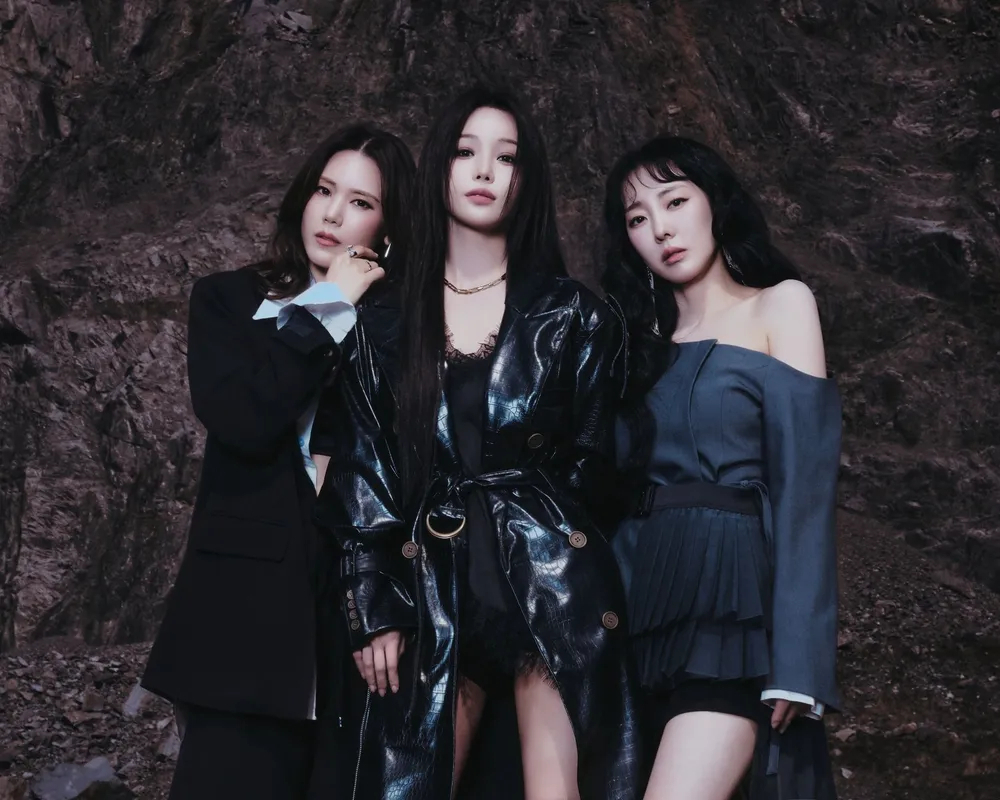
Since releasing “First, Again,” the group’s first album in 15 years, the trio is scheduled to launch a five-city national concert tour under the banner “The Fan” in August.
Much of the recent attention surrounding reunion projects has been amplified by the commercial success of I.O.I’s return.
The group’s third EP, “I.O.I: Loop,” has maintained a strong performance on domestic music charts, with lead track “Suddenly” reaching the top of Melon’s Top 100 chart and remaining among the platform’s most-streamed songs in recent weeks.
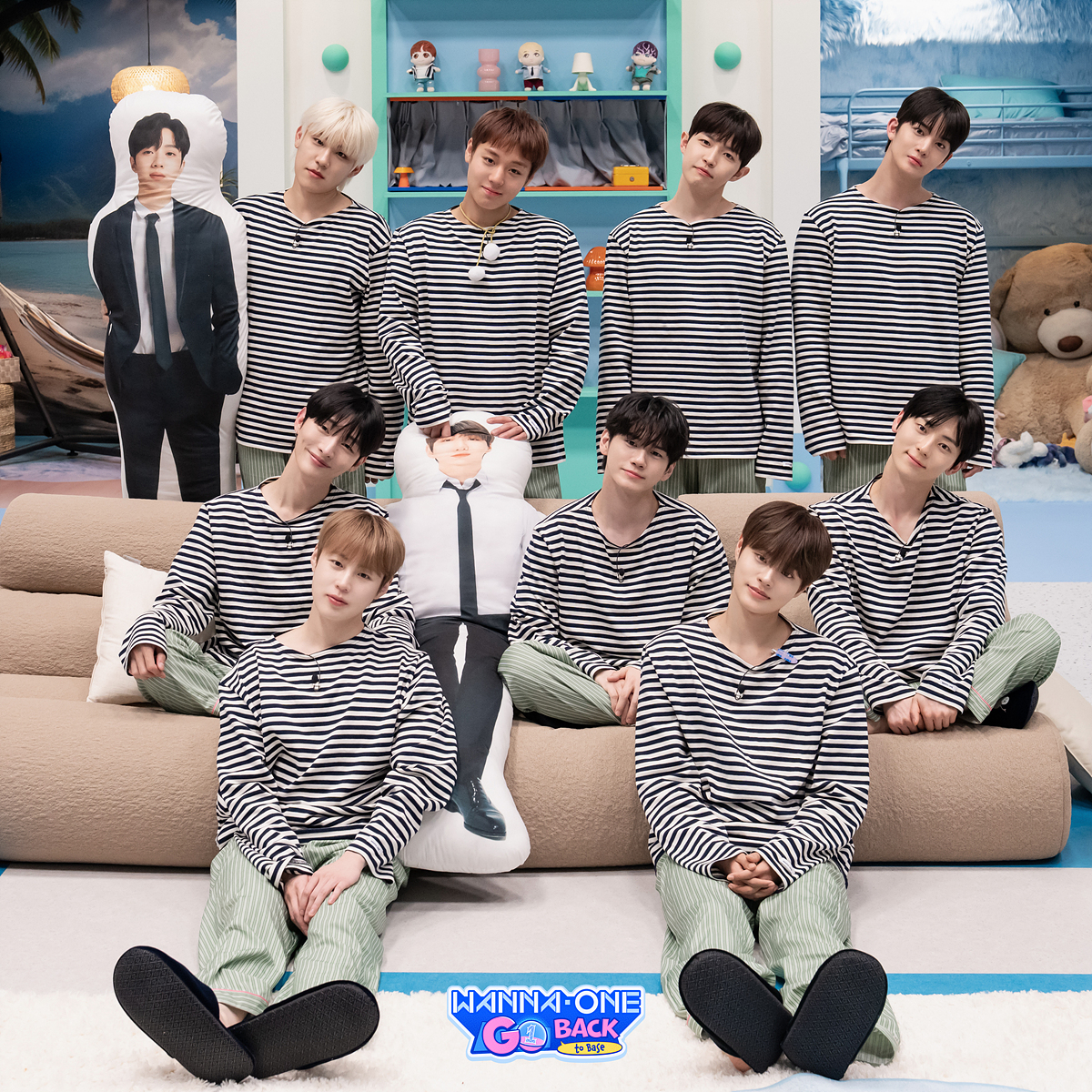
The reunion trend has also extended beyond music releases and concert projects. Project boy band Wanna One reunited in April for the first time since disbanding in January 2019, returning through Mnet reality series “Wanna One Go: Back to Base.” While the group has yet to announce new music or reunion concerts, its return demonstrates the continued commercial appeal of nostalgia-driven projects among K-pop fans.
The current reunion wave follows a pattern that has emerged repeatedly throughout K-pop history.
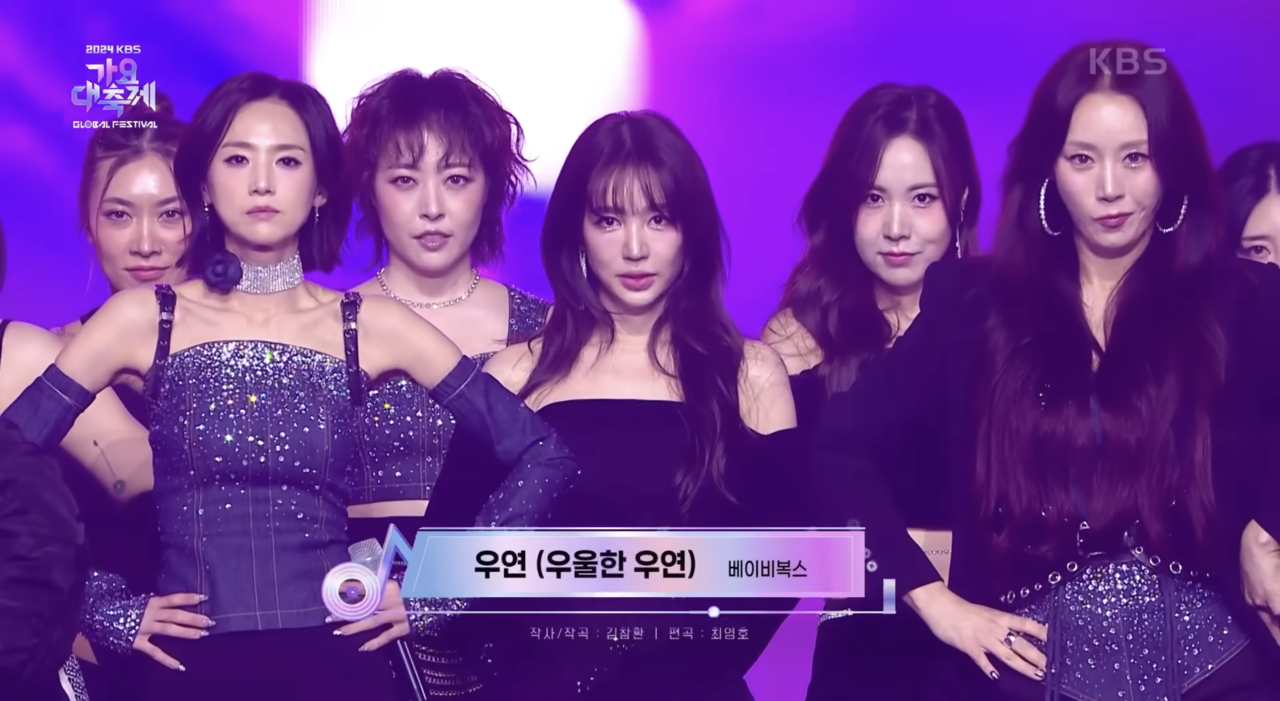
In December 2024, first-generation girl group Baby V.O.X reunited for a special performance on KBS’ year-end music show “KBS Song Festival,” drawing widespread attention from longtime fans. A performance video uploaded to KBS Kpop’s YouTube channel has surpassed 12 million views.
Ten years before that, g.o.d helped establish the blueprint for idol group reunions when it reunited and became one of the first major K-pop acts to successfully resume activities after disbandment. The group’s return was followed by reunions from Sechs Kies, S.E.S. and H.O.T.
Industry officials say the growing popularity of reunions reflects the rise of nostalgia-driven consumption trends.
“The market for nostalgia has become much larger as K-pop’s history grew over time,” an industry official who wished to remain anonymous told The Korea Herald.
“We’re beginning to see older songs return to charts and retro sounds regain popularity through new songs. Because of that, veteran artists no longer feel outdated to younger audiences, and reunions increasingly feel like a next step rather than a special exception.”
The official added that the growing popularity of reunions reflects “a broader demographic change within K-pop’s audience from being viewed primarily as a youth-driven industry to including a broader range of audiences in their 30s and 40s.”
“We’re beginning to see K-pop evolve into a form of popular culture that can continue to resonate across different stages of life, which is how reunions work even better,” they added.
lee.jungjoo@heraldcorp.com