Sunday, May 24, 2026, 8:43 p.m
16389 readings
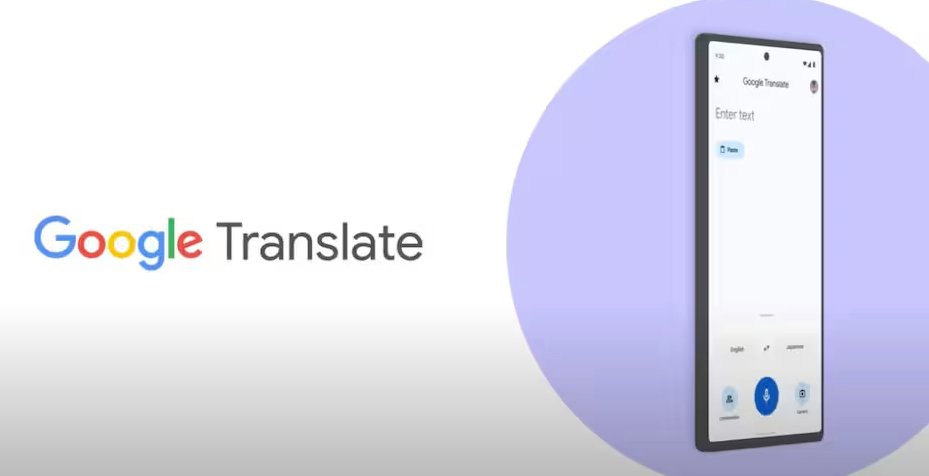
Google Translate turns 20 again Google marks the moment with new features based on artificial intelligence. The app, used by more than 1 billion people monthly, is increasingly becoming a tool for conversation and learning, not just a place to quickly translate a text.
One of the novelties is a function for practicing pronunciation on Android. The user speaks and the AI analyzes how they pronounce the words and provides instant feedback. To begin with, the feature is available in the United States and India for English, Spanish, and Hindi languages.
The change comes at a time when Google is trying to make Translate more useful for those who want to learn a new language. The company says about a third of mobile users use the app for this purpose as well.
Translations become more natural and the headset can work as a translator
Google Translate started in 2006 as a project based on statistical machine learning. At the time, the system analyzed large amounts of text to estimate the most likely translations. In 2016, Google switched to neural networks, and now the service uses models geminate.
One of the important directions is Live Translate, a function that can turn the headset into a personal translator. Google says the system tries to preserve the tone and pace of the speaker so the conversation doesn’t seem like a rigid sequence of translated phrases.
Translate is increasingly used for everyday situations as well. With Lens, users can translate menus, signs or text seen through the phone’s camera. On Android, translation is also integrated into Circle to Search, including for lyrics, products or social media content.
The app remains useful even offline by downloading the required languages. The most downloaded languages for use without Internet include English, Arabic, Spanish, French, Japanese, German, Hindi, Chinese, Russian and Italian.