The state of Florida decided to expand the educational content on communism taught in its public schools, now incorporating direct references to the political and social situation in Venezuela. under the government of Nicolás Maduro. The measure is part of an update of the social studies curriculum aimed at high school students.
The decision was approved by the state Board of Education, which endorsed the incorporation of new content with the aim of deepening the analysis of contemporary political systems. With this adjustment, the study of communism will no longer focus solely on historical examples to include recent cases.
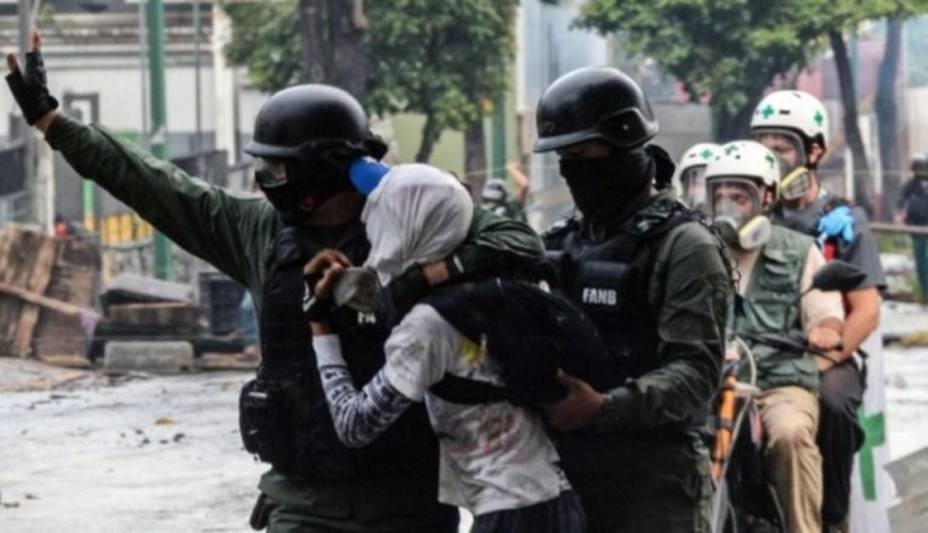
Among the topics that will be part of the academic material are complaints related to human rights, as arbitrary arrestspolitical persecution, torture, extrajudicial executions and restrictions on freedom of expression. These elements will be presented as part of the analysis of regimes considered communist today.
State educational authorities maintain that the update seeks to bring students closer to a more up-to-date understanding of the impact of these political models in different societies.
Educational reform in Florida generates debate on teaching communism
The initiative responds to current legislation in Florida that requires public schools to teach content related to the history of communism. However, with this reform, the focus is expanded to include recent events and facilitate a more contemporary reading of the phenomenon.
In parallel, the state contemplates adjustments in teaching materials and textbooks, as well as training programs for teachers, in order to adapt teaching to the new established contents.
The announcement has generated divided reactions. While some sectors consider that the measure provides a more complete vision of the impact of the communism todayothers criticize that the approach may be influenced by political and not exclusively academic positions.