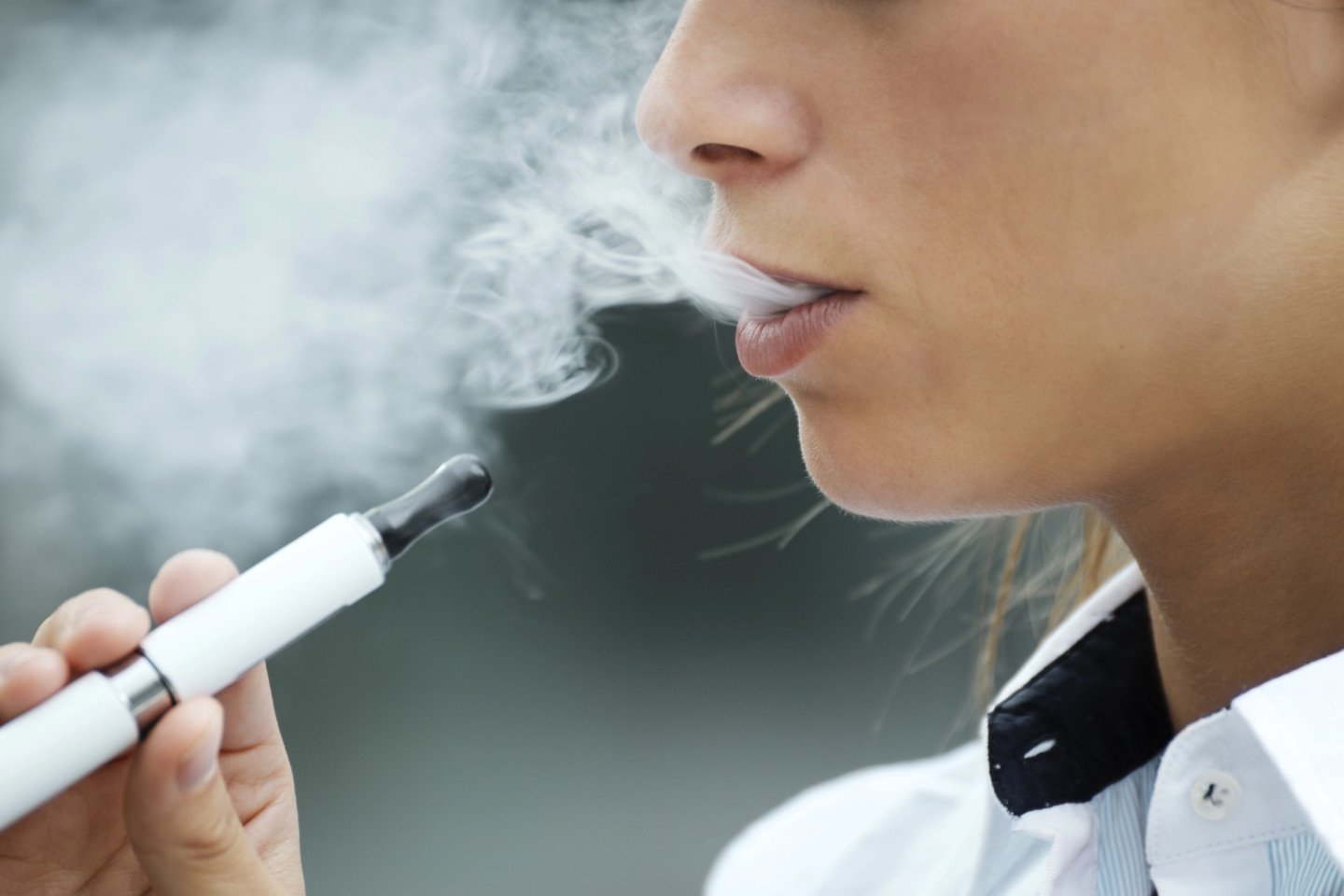
On Thursday, the Saeima adopted amendments to the Law on Waste Management, which provides for the creation of a unified state-level deposit system for e-cigarettes with non-rechargeable batteries
In the Press Service of the Saeima, the LETA agency was informed that producers and distributors will have to sign a contract with the system operator, while consumers, when buying such cigarettes, will pay a deposit fee. It will be refunded upon return of the used device. The manufacturer will have to provide information about the device’s participation in the deposit system both on the packaging and on the device itself.
The Cabinet of Ministers will have to determine the procedure for ensuring the operation of the deposit system, the coverage of deposit points, the volumes of collection and processing, as well as the requirements for system accounting and operator reports, the changes foresee.
The amendments were prepared by the Ministry of Climate and Energy (KEM). The regulation on the introduction of the deposit system will enter into force on February 1 next year.
KEM has explained that the popularity of e-cigarettes has significantly increased the amount of this type of waste over the past five years. In Latvia, as in other countries of the European Union (EU), the market for e-cigarettes continues to grow, thus the environmental pollution caused by them also increases. Latvia currently lacks specific infrastructure aimed at the collection and recycling of e-cigarettes and batteries.
The study conducted by the Association of Waste Management Companies of Latvia in 2024 on e-cigarette the study of the preliminary project for the creation of the deposit system shows that in Latvia in 2023, about 15 million e-cigarettes were discarded. About 5% of this number, or 0.75 million, is separately collected and handed over to recyclers, while the remaining 14.25 million mostly end up in municipal landfills.
About 80% of e-cigarettes contain lithium-ion batteries, which are considered hazardous waste, and 20% are a mixture of plastic and metal. Separation and processing of these materials is technologically possible, but requires a special approach and modern equipment.
On January 30 of last year, KEM, the Association of Waste Management Companies of Latvia and the Association of Tobacco-Free Products signed a memorandum of cooperation confirming their commitment to introducing the e-cigarette deposit system.
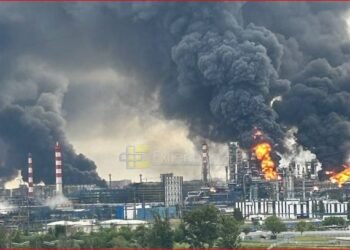
The main problems associated with e-cigarette waste are the risk of spontaneous combustion leading to fires in landfills and sorting centers, chemical pollution caused by the release of toxic substances in the form of aerosols from e-cigarette liquids, environmental pollution from lithium-ion batteries, and the risk of explosion if e-cigarette batteries are exposed to high temperatures or overcharged.