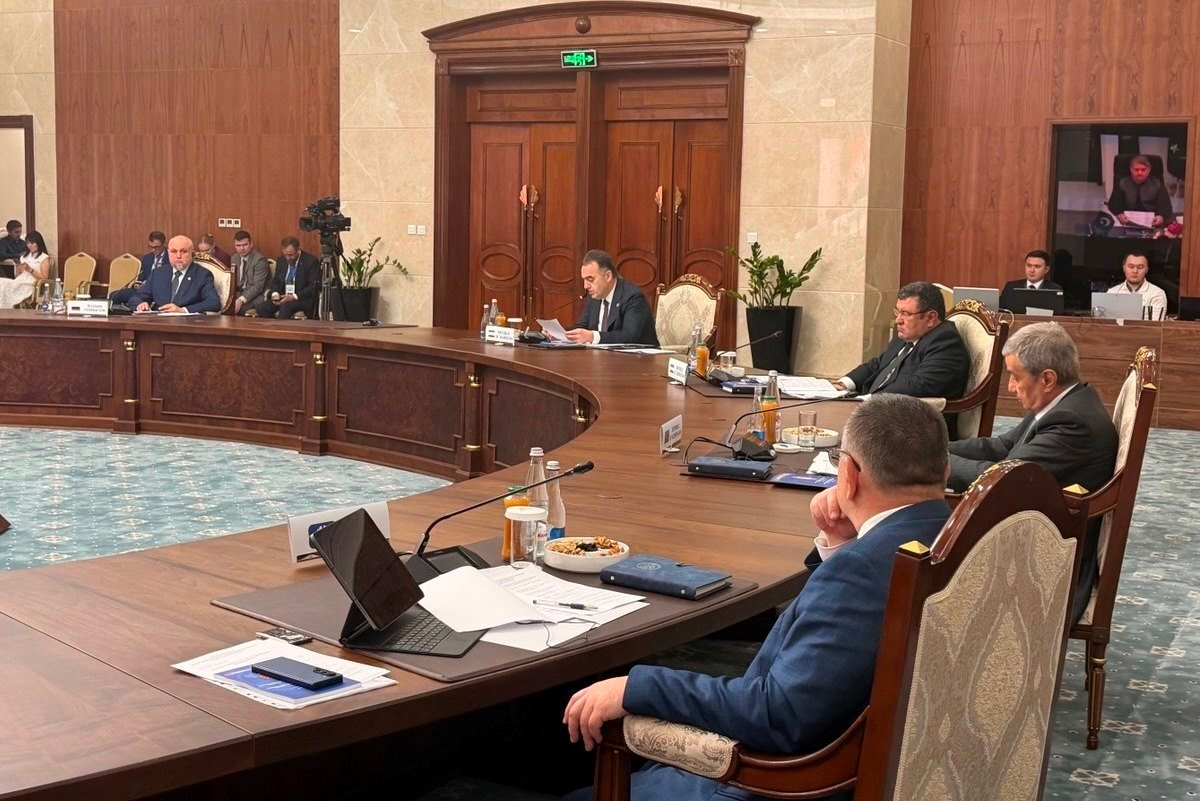
The Minister of Energy and Water Resources of Tajikistan, Daler Juma, at a meeting of energy ministers of the SCO countries proposed creating a permanent platform for energy cooperation. It should help countries exchange experiences, develop green energy, digital technologies and cross-border trade in electricity.
In Bishkek on June 19, Daler Juma took part in the 6th meeting of the energy ministers of the member states of the Shanghai Cooperation Organization.
According to the press service of the Ministry of Energy of the Republic of Tatarstan, in his speech Daler Juma noted, that energy cooperation is becoming one of the important areas of interaction between the SCO countries. According to the minister, Tajikistan is interested in developing long-term and mutually beneficial projects in this area.
The main new proposal from the Tajik side was the creation of a permanent SCO Energy Cooperation Platform. Such a structure, according to the minister, could become a mechanism for exchanging experience, introducing advanced technologies and coordinating joint energy projects.
Daler Juma also proposed developing joint projects in the field of renewable energy and energy storage systems. He paid special attention to digital technologies and the use of artificial intelligence in managing energy systems.
The minister said that Tajikistan continues its course towards the development of green energy. One of the key projects in this direction remains the Rogun hydroelectric power station with a capacity of 3,780 MW. According to him, the two units of the station that have already been commissioned have generated more than 10 billion kWh of electricity, and the launch of the third unit is planned for 2027.
In addition, the construction of solar power plants with a total capacity of 500 MW and the further accession of Tajikistan to the United Energy System of Central Asia were noted.
The minister paid special attention to the CASA-1000 project, which should ensure the export of up to 1,300 MW of environmentally friendly electricity from Tajikistan and Kyrgyzstan to Pakistan through Afghanistan.
Other proposals from Tajikistan include strengthening interstate power grids, expanding cross-border trade in electricity, and launching joint training programs for energy industry specialists.
In conclusion, Daler Juma emphasized that Tajikistan considers the development of green energy, modern technologies and regional energy connections as important conditions for sustainable development and energy security of the countries of the region.