Reuters quoted an American official as saying that Israel and Lebanese Hezbollah have reached a ceasefire agreement between them, which will take effect today (Friday), at 4 p.m. local time in Lebanon, according to an official announcement confirmed by American and Lebanese sources.
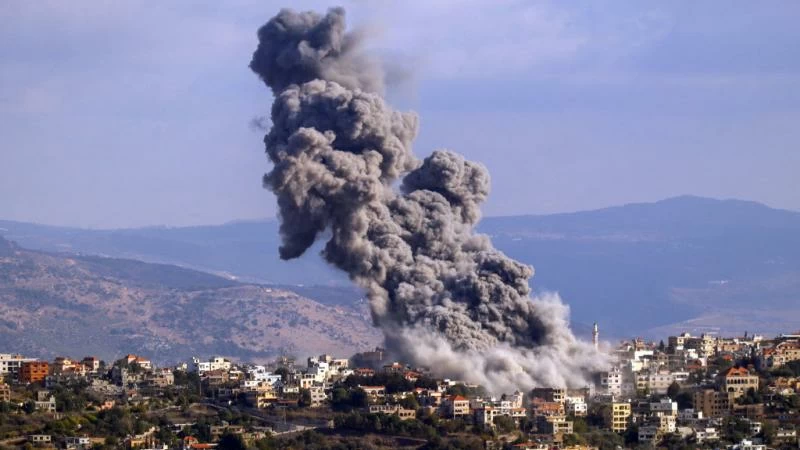
The last hours before the start of the truce witnessed a dangerous Israeli escalation, as the Israeli army expanded the scope of its raids to include the Bekaa regions in the east, in addition to intense raids on southern Lebanon, especially the city of Nabatieh, which was subjected to four successive raids. These raids have so far resulted in more than 28 martyrs and 33 wounded, with expectations that the toll will rise.
This escalation comes after the announcement of a memorandum of understanding between Tehran and Washington, in an Israeli attempt – according to observers – to impose a new reality on the ground before establishing a comprehensive ceasefire that includes the Lebanese front and paves the way for an end to the regional war.
The Hebrew Walla website quoted Israeli security and military leaders as saying that they are currently holding intensive meetings to discuss how to respond to the recent Hezbollah attacks, while Israel has vowed further escalation if necessary.
For his part, Lebanese President Joseph Aoun condemned the Israeli escalation in a statement issued by Baabda Palace, considering that the expansion of attacks on the south and the Bekaa “constitutes a dangerous and condemnable escalation.”
Aoun stressed that this escalation “practically targets all ongoing attempts to stabilize the ceasefire and end the war,” but at the same time he stressed that “what is happening will not prevent work to achieve a comprehensive ceasefire as quickly as possible.”
The new ceasefire comes in the context of intensified American and Qatari efforts to calm the Lebanese front, amid an ongoing regional war since October 2023, which worsened with the outbreak of widespread confrontations in 2024-2025, as the front had previously witnessed several fragile truces, but repeated violations were constantly bringing back tension.
Reuters reported that an American official announced that Israel and the Lebanese Hezbollah have reached a ceasefire agreement, which will take effect today (Friday) at 4 PM local time in Lebanon, according to an official statement confirmed by American and Lebanese sources.
In the hours leading up to the ceasefire, there was a serious escalation by Israel, as the Israeli army expanded its airstrikes to include the Bekaa region to the east, alongside intensive strikes on southern Lebanon, particularly the city of Nabatiyeh, which was hit by four consecutive airstrikes. These strikes have so far resulted in more than 28 martyrs and 33 injuries, with expectations of a rising toll.
This escalation comes after the announcement of a memorandum of understanding between Tehran and Washington, in what observers see as an Israeli attempt to impose a new ground reality before establishing a comprehensive ceasefire that includes the Lebanese front and paves the way for ending the regional war.
The Hebrew website “Walla” reported that Israeli security and military leaders are currently holding intensive meetings to discuss how to respond to Hezbollah’s recent attacks, while Israel has vowed to escalate further if necessary.
For his part, Lebanese President Joseph Aoun condemned the Israeli escalation in a statement issued from the Baabda Palace, considering that the expansion of attacks on the south and the Bekaa “constitutes a serious and condemnable escalation.”
Aoun confirmed that this escalation “practically targets all ongoing attempts to establish a ceasefire and end the war,” but he emphasized at the same time that “what is happening will not prevent efforts to achieve a comprehensive ceasefire as soon as possible.”
The new ceasefire comes amid intensive American and Qatari efforts to calm the Lebanese front, in the context of an ongoing regional war since October 2023, which has worsened with the outbreak of widespread confrontations in 2024-2025. The front has previously witnessed several fragile truces, but repeated violations have continually restored tension.