Saturday, June 20, 2026
    The GeoStrategic Consensus
    No Result
    View All Result
    • Login
    • HOME
    • AMERICAS
      • Argentina
      • Brazil
      • Canada
      • Chile
      • Colombia
      • Costa Rica
      • Cuba
      • Dominican Republic
      • Ecuador
      • El Salvador
      • Greenland
      • Guatemala
      • Honduras
      • Mexico
      • Nicaragua
      • Panama
      • Paraguay
      • Peru
      • United States
      • Uruguay
      • Venezuela
    • ASIA-PACIFIC
      • Australia
      • Brunei Darussalam
      • Cambodia
      • China
      • Federated States of Micronesia
      • Fiji
      • Indonesia
      • Japan
      • Kiribati
      • Laos
      • Malaysia
      • Marshall Islands
      • Mongolia
      • Myanmar
      • Nauru
      • New Zealand
      • North Korea
      • Palau
      • Papua New Guinea
      • Philippines
      • Samoa
      • Singapore
      • Solomon Islands
      • South Korea
      • Taiwan
      • Thailand
      • Timor-Leste
      • Tonga
      • Tuvalu
      • Vanuatu
      • Vietnam
    • CARICOM
      • CARICOM – Non-English
        • Haiti
        • Suriname
      • CARICOM Associates
        • Anguilla
        • Bermuda
        • British-Virgin-Islands
        • Cayman-Islands
        • Curacao
        • Turks-and-Caicos
      • CARICOM English
        • Antigua and Barbuda
        • Barbados
        • Belize
        • Dominica
        • Grenada
        • Guyana
        • Jamaica
        • Montserrat
        • Saint Kitts and Nevis
        • Saint Lucia
        • Saint Vincent and the Grenadines
        • The Bahamas
        • Trinidad and Tobago
    • EURASIA
      • Armenia
      • Azerbaijan
      • Balarus
      • Georgia
      • Kazakhstan
      • Kyrgyzstan
      • Moldova
      • Russia
      • Tajikistan
      • Turkmenistan
      • Ukraine
      • Uzbekistan
    • EUROPE
      • Albania
      • Andorra
      • Austria
      • Bosnia and Herzegovina
      • Bulgaria
      • Croatia
      • Cyprus
      • Czech Republic
      • Denmark
      • Estonia
      • Finland
      • France
      • Germany
      • Greece
      • Holy See
      • Hungary
      • Iceland
      • Ireland
      • Italy
      • Kosovo
      • Latvia
      • Liechtenstein
      • Lithuania
      • Luxembourg
      • Malta
      • Monaco
      • Montenegro
      • Netherlands
      • North Macedonia
      • Norway
      • Poland
      • Portugal
      • Romania
      • San Marino
      • Serbia
      • Slovakia
      • Slovenia
      • Spain
      • Sweden
      • Switzerland
      • United Kingdom
    • MIDDLE EAST AND NORTH AFRICA
      • Algeria
      • Bahrain
      • Egypt
      • Iran
      • Iraq
      • Israel
      • Jordan
      • Kuwait
      • Lebanon
      • Lybia
      • Morocco
      • Oman
      • Palestinian Territories
      • Qatar
      • Saudi Arabia
      • Syria
      • Tunisia
      • Turkey
      • United Arab Emirates
      • Western Sahara
      • Yemen
    • SOUTH ASIA
      • Afghanistan
      • Bangladesh
      • Bhutan
      • India
      • Maldives
      • Nepal
      • Pakistan
      • Sri Lanka
    • SUB-SAHARAN AFRICA
      • Angola
      • Benin
      • Botswana
      • Burkina Faso
      • Burundi
      • Cabo Verde
      • Cameroon
      • Central African Republic
      • Chad
      • Comoros
      • Cote d’Ivoire
      • Democratic Republic of the Congo
      • Djibouti
      • Equatorial Guinea
      • Eritrea
      • Eswatini
      • Ethiopia
      • Gabon
      • Gambia
      • Ghana
      • Guinea
      • Guinea Bissau
      • Kenya
      • Lesotho
      • Liberia
      • Madagascar
      • Malawi
      • Mali
      • Mauritania
      • Mauritius
      • Mozambique
      • Namibia
      • Niger
      • Nigeria
      • Republic of the Congo
      • Rwanda
      • Sao Tome and Principe
      • Senegal
      • Seychelles
      • Sierra Leone
      • Somalia
      • South Africa
      • South Sudan
      • Sudan
      • Tanzania
      • Togo
      • Uganda
      • Zambia
      • Zimbabwe
    • HOME
    • AMERICAS
      • Argentina
      • Brazil
      • Canada
      • Chile
      • Colombia
      • Costa Rica
      • Cuba
      • Dominican Republic
      • Ecuador
      • El Salvador
      • Greenland
      • Guatemala
      • Honduras
      • Mexico
      • Nicaragua
      • Panama
      • Paraguay
      • Peru
      • United States
      • Uruguay
      • Venezuela
    • ASIA-PACIFIC
      • Australia
      • Brunei Darussalam
      • Cambodia
      • China
      • Federated States of Micronesia
      • Fiji
      • Indonesia
      • Japan
      • Kiribati
      • Laos
      • Malaysia
      • Marshall Islands
      • Mongolia
      • Myanmar
      • Nauru
      • New Zealand
      • North Korea
      • Palau
      • Papua New Guinea
      • Philippines
      • Samoa
      • Singapore
      • Solomon Islands
      • South Korea
      • Taiwan
      • Thailand
      • Timor-Leste
      • Tonga
      • Tuvalu
      • Vanuatu
      • Vietnam
    • CARICOM
      • CARICOM – Non-English
        • Haiti
        • Suriname
      • CARICOM Associates
        • Anguilla
        • Bermuda
        • British-Virgin-Islands
        • Cayman-Islands
        • Curacao
        • Turks-and-Caicos
      • CARICOM English
        • Antigua and Barbuda
        • Barbados
        • Belize
        • Dominica
        • Grenada
        • Guyana
        • Jamaica
        • Montserrat
        • Saint Kitts and Nevis
        • Saint Lucia
        • Saint Vincent and the Grenadines
        • The Bahamas
        • Trinidad and Tobago
    • EURASIA
      • Armenia
      • Azerbaijan
      • Balarus
      • Georgia
      • Kazakhstan
      • Kyrgyzstan
      • Moldova
      • Russia
      • Tajikistan
      • Turkmenistan
      • Ukraine
      • Uzbekistan
    • EUROPE
      • Albania
      • Andorra
      • Austria
      • Bosnia and Herzegovina
      • Bulgaria
      • Croatia
      • Cyprus
      • Czech Republic
      • Denmark
      • Estonia
      • Finland
      • France
      • Germany
      • Greece
      • Holy See
      • Hungary
      • Iceland
      • Ireland
      • Italy
      • Kosovo
      • Latvia
      • Liechtenstein
      • Lithuania
      • Luxembourg
      • Malta
      • Monaco
      • Montenegro
      • Netherlands
      • North Macedonia
      • Norway
      • Poland
      • Portugal
      • Romania
      • San Marino
      • Serbia
      • Slovakia
      • Slovenia
      • Spain
      • Sweden
      • Switzerland
      • United Kingdom
    • MIDDLE EAST AND NORTH AFRICA
      • Algeria
      • Bahrain
      • Egypt
      • Iran
      • Iraq
      • Israel
      • Jordan
      • Kuwait
      • Lebanon
      • Lybia
      • Morocco
      • Oman
      • Palestinian Territories
      • Qatar
      • Saudi Arabia
      • Syria
      • Tunisia
      • Turkey
      • United Arab Emirates
      • Western Sahara
      • Yemen
    • SOUTH ASIA
      • Afghanistan
      • Bangladesh
      • Bhutan
      • India
      • Maldives
      • Nepal
      • Pakistan
      • Sri Lanka
    • SUB-SAHARAN AFRICA
      • Angola
      • Benin
      • Botswana
      • Burkina Faso
      • Burundi
      • Cabo Verde
      • Cameroon
      • Central African Republic
      • Chad
      • Comoros
      • Cote d’Ivoire
      • Democratic Republic of the Congo
      • Djibouti
      • Equatorial Guinea
      • Eritrea
      • Eswatini
      • Ethiopia
      • Gabon
      • Gambia
      • Ghana
      • Guinea
      • Guinea Bissau
      • Kenya
      • Lesotho
      • Liberia
      • Madagascar
      • Malawi
      • Mali
      • Mauritania
      • Mauritius
      • Mozambique
      • Namibia
      • Niger
      • Nigeria
      • Republic of the Congo
      • Rwanda
      • Sao Tome and Principe
      • Senegal
      • Seychelles
      • Sierra Leone
      • Somalia
      • South Africa
      • South Sudan
      • Sudan
      • Tanzania
      • Togo
      • Uganda
      • Zambia
      • Zimbabwe
    No Result
    View All Result
    Agentially
    No Result
    View All Result
    Home EURASIA Russia

    Maria Khorolskaya on the growing popularity of the AfD and the crisis of power in Germany

    The Analyst by The Analyst
    June 20, 2026
    in Russia
    Maria Khorolskaya on the growing popularity of the AfD and the crisis of power in Germany


    The growing popularity of the Alternative for Germany (AfD) has recently been one of the main domestic political topics in Germany. Opinion polls show that Chancellor Friedrich Merz not only failed to “halve” support for the AfD, on the contrary, the “Alternative” overtook Christian Democrats (CDU) and with 29% became the most popular force in the country. If a superiority of 1–2% could be explained by a statistical error, then a gap of 7–9% is already a serious claim.

    The September elections in the eastern states of Saxony-Anhalt and Mecklenburg-Vorpommern hang like a sword of Damocles over the German establishment. There, according to polls, support for the AfD is 41–42% and 36%, respectively. This means that the party has a chance to get a parliamentary majority. Even if the “Alternative” does not win the required 51% of seats in the Landtag, under the current ban on cooperation with right-wing populists, the remaining parties will be able to create either a minority government or, at best, a coalition that will include completely different forces. Needless to say, the effectiveness of such an alliance is unlikely.


    Who is to blame and what to do about it?

    READ ALSO

    President Putin arrives in Kazan for Russia-ASEAN Summit — Kremlin – Russian Politics & Diplomacy

    Kiev regime targets children — Russian Foreign Ministry – Russian Politics & Diplomacy

    German political elites are trying to understand who is to blame for the growing support for the AfD and what to do about it.

    Many people have been blamed for the popularity of the AfD. Former Chancellor Angela Merkel for her hospitality to migrants – however, we see that the flow of refugees is decreasing, and the popularity of the “Alternative” is growing. East Germans, who, they say, have never been able to instill democratic values—yes, the party is almost twice as popular in the east of the country, but is now overtaking the Christian Democrats in the more populous west. External forces – but the AfD’s contacts with other countries do not play a determining role in electoral preferences. Force majeure circumstances – yes, the coalition of former Chancellor Olaf Scholz was indeed faced with new foreign policy conditions that led to a deterioration in the socio-political situation in the country, but now Germany is led by a new coalition led by Friedrich Merz, which promised to lead the country out of the crisis. Accordingly, the current government now bears responsibility for the growing popularity of the AfD.

    Despite the fact that Friedrich Merz was not very popular as a politician, hopes were placed on him and his party to restore economic growth. However, the coalition of the CDU/CSU and the SPD did not live up to expectations – reforms have been discussed for a long time, their launch is accompanied by conflicts between the ruling parties, and the population does not see positive changes. As a result, the level of approval of the German government’s work fell to 12%.

    The more people are dissatisfied with the work of the government, perceive the situation in Germany as unfavorable, and their situation as unfair, the more willingly they support the AfD.

    Moreover, after the return of the Christian Democrats to power, Alternative remained the only influential opposition force for the electorate with conservative views.

    The new surge in support may be due to a series of relatively small but painful events. On a day-to-day basis, voters faced rising gasoline prices as a result of US and Israeli strikes on Iran. There is also little reason for optimism on the international agenda. Mertz was sometimes ironically called the “foreign policy chancellor,” emphasizing his excessive involvement in global processes to the detriment of internal ones. But if last year he could show the population some successes in this field, then this year the chancellor is accompanied by failures – a weak position regarding the conflict in Iran, fiasco Franco-German-Spanish FCAS aircraft project, loss in the vote for a seat as a non-permanent member of the UN Security Council. And in his own country, Merz has been criticized in recent months not only by the opposition and coalition partners, but also by fellow party members. The Chancellor and the government are caught in a vicious circle – the growing popularity of the AfD leads to mutual accusations, and mutual accusations only further increase the popularity of the Alternative.

    All this can be called particulars. In a broad sense, dissatisfaction with the political elites and the popularity of the AfD are due to the fact that the population is not confident in the future. Germans feel that their previously successful political and economic model is not working, and there is no confidence that the government has a plan to correct the situation.

    Little Man’s Party

    However, the Alternative itself has been able to achieve a major turning point in recent years, ceasing to be an exclusively protest force: in the Bundestag elections last year, 54% of voters supported the AfD out of conviction and only 39% because of disappointment in the other parties.

    In addition, the Alternative for Germany is expanding its sphere of responsibility: it is no longer a party of one issue, restrictions on migration, although this issue still brings major dividends to the AfD. “Alternative” has managed to become the “little man’s party”; it is supported by people with low incomes, dissatisfied with their economic situation, the unemployed, as well as the working class. Even in the wealthy state of Baden-Württemberg, the AfD ranks second in the ranking of parties that voters believe can get the economy going.

    The establishment has two options – to hold ranks and not let the AfD into power, or to allow the possibility of coalition negotiations.

    On the one hand, the ban on cooperation and the creation of a coalition with the “Alternative” – the firewall – only strengthens the latter. Parties are finding it increasingly difficult to explain why the views of more than a quarter of voters must be ignored to protect democracy.

    On the other hand, the firewall rests on the ideological basis of “militant democracy,” according to which it is necessary to resist the rise of radical, especially right-wing, forces to power. The Center Party, the first to abandon self-restrictions on a coalition with the AfD, risks an internal split and the loss of some voters.

    The firewall was already shaking at the land level and was breaking through at the communal level, and in the CDU/CSU and FDP there were already voices about abolishing the ban. But so far every internal party rebellion, every serious attempt to break the firewall has ended in its strengthening. The first shaky brick may be the “Sarah Wagenknecht Union – For Reason and Justice” (SUV). Wagenknecht herself criticized the firewall a couple of weeks ago, saying that with the votes of SSV it could be destroyed. The politician confirmed that in the upcoming land elections her party may support a “supra-party prime minister.” The founder of SSV did not fully explain what this concept means and how realistic it is. This probably implies the election of some kind of consensus figure who will govern the land, relying on a situational parliamentary majority. Wagenknecht does not deny interaction with the AfD on certain issues; another thing is that the SSV itself is now fighting to pass the five percent barrier – it will not be a serious help for the “Alternative”, but it can start the “normalization” process.

    To the center or to the right

    At the same time, the AfD itself stands at the same crossroads. The first question is what strategy to follow to get into power. The “alternative” is not monolithic, but consists of several groups. For convenience, we can distinguish between moderate economists and a radical wing.

    The latter relies on anti-migration rhetoric and flirts with right-wing extremism.

    Moderate members of the “Alternative” believe that coming to power is only possible in a coalition with another party, accordingly, the AfD itself should become a “normal force”, getting rid of the radical right flair. The German media even received information about the plan developed by the party group. According to the document, the party must consolidate the existing loyal electorate, attract new groups of voters (women over 60, representatives of the academic community, active Christians, residents of large cities) and reduce the percentage of citizens who are afraid of the AfD. In order to remove the firewall, the party must deepen the split between the CDU/CSU and the left by convincing the Christian Democrats that it is in their interests to cooperate with the Alternative. In the future, the AfD wants to overtake the CDU in its own field of economic competence, emphasizing that only the Alternative is a genuine party of economic growth without ideological restrictions.

    The radical wing, on the contrary, opposes softening the course, rightly noting that this will lead to the loss of part of the electorate. On the eve of elections in the two eastern states, the state branches of the AfD are afraid of eroding their identity and do not want to get closer to the CDU, but to displace the latter.

    But even if the issue of coming to power is resolved by itself, for example by gaining more than half of the seats in the state parliament of Saxony-Anhalt, the second challenge will be the development of practical measures. The party strives to reach all segments of the population, so its programs and propaganda contain contradictory things. The AfD simultaneously demands the return of universal conscription and criticizes the launch of limited conscription. Alternative advocates for tax cuts and business support, but at the same time presents itself as a defender of the little guy. So perhaps we are seeing the game’s finest hour right now, and any next move will make things worse.

    An alternative for Russia?

    Despite the fact that in Germany the party was dubbed pro-Russian, there is also no unity in the AfD on issues of relations with Moscow. While Alternative co-chair Tino Crupalla is a supporter of contacts with Russia, the wing of moderate economists is betting on the United States. Accordingly, in the event of a hypothetical AfD coming to power, a radical change should not be expected. If the party leads one of the states, then Russian-German issues will be outside its area of ​​​​responsibility. Even when entering the federal government, the AfD will take into account the position of its coalition partners and seek a compromise between various trends within the party. It seems that if “Alternative” hypothetically entered government power, in the short term we would see a refusal of the most drastic measures against Russia, but in the long term, new problems could arise. The radical wing of the AfD is flirting with the Nazi past.

    It would be logical to assume that, observing the popularity of “Alternative”, the ruling parties will adjust their course not only in migration policy, but also in the economic sphere and in the Russian direction. But reality does not confirm these expectations.
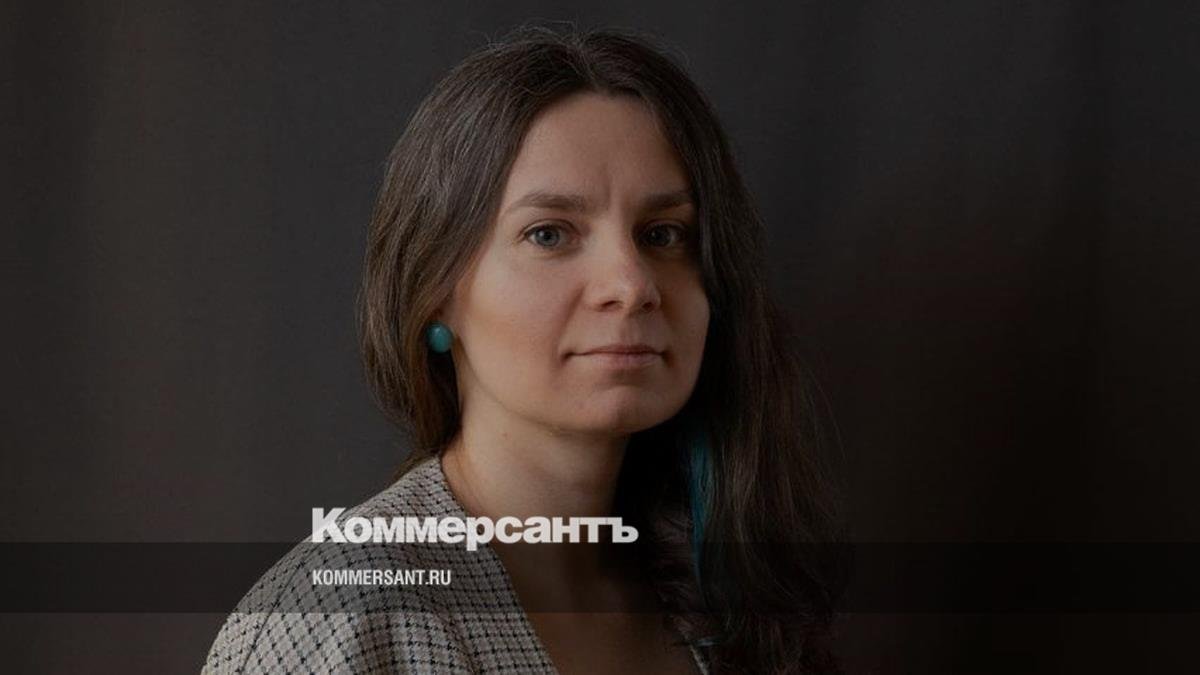
    Maria Khorolskaya, Candidate of Political Sciences, Research Fellow, Department of European Political Studies, IMEMO RAS


    Source link

    Related Posts

    President Putin arrives in Kazan for Russia-ASEAN Summit — Kremlin – Russian Politics & Diplomacy
    Russia

    President Putin arrives in Kazan for Russia-ASEAN Summit — Kremlin – Russian Politics & Diplomacy

    June 20, 2026
    Kiev regime targets children — Russian Foreign Ministry – Russian Politics & Diplomacy
    Russia

    Kiev regime targets children — Russian Foreign Ministry – Russian Politics & Diplomacy

    June 20, 2026
    The State Duma will not simplify the passage of lawyers to bailiffs
    Russia

    The State Duma will not simplify the passage of lawyers to bailiffs

    June 20, 2026
    Trump denies reports on $300 bln fund as part of deal with Iran – Business & Economy
    Russia

    Trump denies reports on $300 bln fund as part of deal with Iran – Business & Economy

    June 19, 2026
    The Presidium of the Supreme Court approved a review of practice on customs disputes between businesses and the Federal Customs Service
    Russia

    The Presidium of the Supreme Court approved a review of practice on customs disputes between businesses and the Federal Customs Service

    June 19, 2026
    Global economy undergoing transformation, countries need new partnerships — PM Mishustin – Business & Economy
    Russia

    Global economy undergoing transformation, countries need new partnerships — PM Mishustin – Business & Economy

    June 19, 2026
    Next Post
    President Putin arrives in Kazan for Russia-ASEAN Summit — Kremlin – Russian Politics & Diplomacy

    President Putin arrives in Kazan for Russia-ASEAN Summit — Kremlin - Russian Politics & Diplomacy

    POPULAR NEWS

    Second round results Peru 2026 Elections LIVE: ONPE count, electoral flash and who wins between Keiko Fujimori and Roberto Sánchez today, June 7

    Second round results Peru 2026 Elections LIVE: ONPE count, electoral flash and who wins between Keiko Fujimori and Roberto Sánchez today, June 7

    June 19, 2026
    Students take to streets to protest rising fuel prices, living costs – Politics

    Students take to streets to protest rising fuel prices, living costs – Politics

    June 19, 2026
    Shakira and Nancy.. How did they become the “icons” of the World Cup songs? – Saudi Arabia News

    Shakira and Nancy.. How did they become the “icons” of the World Cup songs? – Saudi Arabia News

    June 19, 2026

    Cuba opens to capitalism and approves its biggest reform: private banking, exchange market and end of subsidies

    June 20, 2026
    Head of the DP: Today, citizens are flooding from all four corners of the Motherland! Berisha in prison? The call promoter is Balla

    Head of the DP: Today, citizens are flooding from all four corners of the Motherland! Berisha in prison? The call promoter is Balla

    June 20, 2026

    EDITOR'S PICK

    Vanuatu's Anna Naupa becomes first woman to lead MSG Secretariat

    Vanuatu's Anna Naupa becomes first woman to lead MSG Secretariat

    June 19, 2026
    France is excluded from all international efforts related to decolonization of Western Sahara due to its hostile position (statement)

    France is excluded from all international efforts related to decolonization of Western Sahara due to its hostile position (statement)

    June 19, 2026
    ES Women’s Forum round table: It’s time for women to be where key decisions are made

    ES Women’s Forum round table: It’s time for women to be where key decisions are made

    June 19, 2026
    The departure of Bandar Al-Ammar… Ibn Jubbah, who wrote Hail with the eyes of a journalist – Saudi News

    The departure of Bandar Al-Ammar… Ibn Jubbah, who wrote Hail with the eyes of a journalist – Saudi News

    June 20, 2026

    Recent Posts

    • Cuba opens to capitalism and approves its biggest reform: private banking, exchange market and end of subsidies
    • Head of the DP: Today, citizens are flooding from all four corners of the Motherland! Berisha in prison? The call promoter is Balla
    • Israel defies America, continues attacks on Lebanon despite ceasefire
    • Krfska Street in Banja Luka marked its four decades of existence

      © 2026 Agentially - Navigating shifting sovereignties and global risk .

      Welcome Back!

      Login to your account below

      Forgotten Password?

      Retrieve your password

      Please enter your username or email address to reset your password.

      Log In
      No Result
      View All Result

        © 2026 Agentially - Navigating shifting sovereignties and global risk .

        This website uses cookies. By continuing to use this website you are giving consent to cookies being used. Visit our Privacy and Cookie Policy.