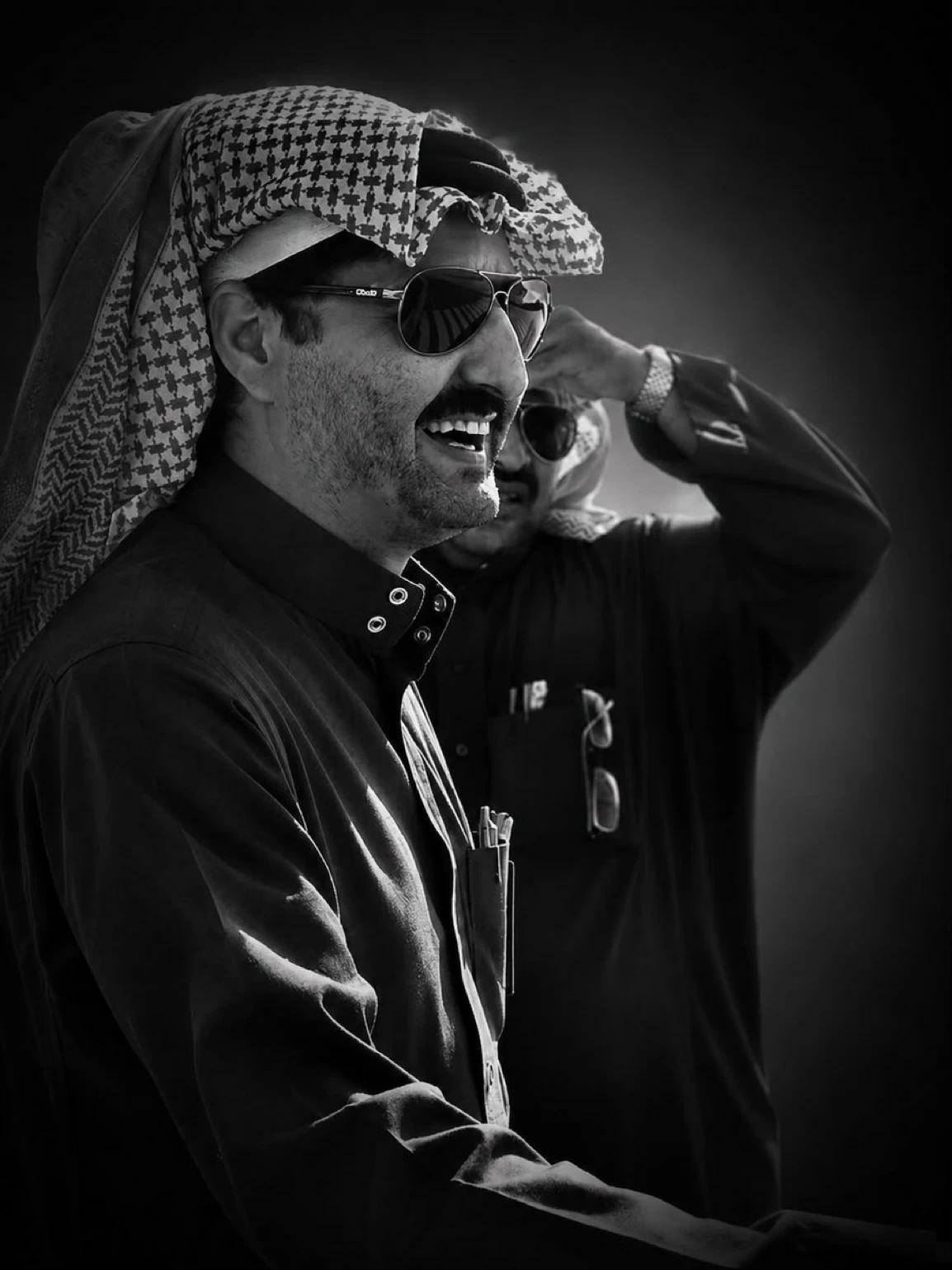
Our colleague Bandar Al-Ammar, born in 1973, left at the age of 53, after a career that made him a prominent name in the Saudi press, and placed his experience in a special space between the profession, the place, and the person.
Al-Ammar left Jubbah, the city of history and heritage, where the rocks are a memory and the place is an open book, and he brought with him to the press a close sense of detail and a deep connection to his city and his birthplace. Jubbah had more than a geographical address in his press materials; It was the origin of the story, the source of the first image, and an extension of Hail’s memory.
He worked in “Al-Watan,” “Al-Sharq,” and “Mecca” newspapers, and contributed to developing journalistic arts at the level of the Hail region, from news to report, and from daily follow-up to humanitarian issues that require a journalist who sees a face and a story behind the event.
He was distinguished by his boldness, patriotism, and interest in humanitarian affairs, with a clear cultural presence, and passion for reading and poetry. He was close to the people, loyal to the place, steadfast in his positions, and wrote with the eye of a journalist and the spirit of a son of the region.
With his departure, the Saudi press loses a serious pen, Hail loses one of its voices, and Jubbah loses a son who carried her name to the pages of the press.
Colleague Bandar Al-Amar, born in 1973, passed away at the age of 53, after a career that made his name prominent in Saudi journalism, placing his experience in a special space between the profession, the place, and the human being.
Al-Amar hailed from Jabba, a city of history and heritage, where the rocks hold memories, and the place is an open book. He brought with him to journalism a sensitivity to details and a deep connection to his city and birthplace. For Al-Amar, Jabba was more than just a geographical title in his journalistic materials; It was the origin of the story, the source of the first image, and an extension of the memory of Hail.
He worked for the newspapers “Al-Watan,” “Al-Sharq,” and “Makkah,” and contributed to the development of journalistic arts in the Hail region, from news reporting to feature stories, and from daily follow-ups to humanitarian issues that require a journalist who sees behind the event a face and a story.
He was distinguished by his boldness, patriotism, and concern for humanitarian issues, with a clear cultural presence and a passion for reading and poetry. He was close to the people, loyal to the place, steadfast in his positions, writing with the eye of a journalist and the spirit of a local son.
With his passing, Saudi journalism loses a serious pen, Hail loses one of its voices, and Jabba loses a son who carried its name to the pages of journalism.