Launching the transition clinic with the aim of ensuring a smooth transition from pediatric to adult services
The launch of the first national registry for sickle cell patients in the Kingdom of Bahrain represents an important strategic step to support health care
Ongoing cooperation between the Center for Genetic Blood Diseases and the Gene Therapy and Stem Cell Transplantation Program at the Bahrain Oncology Center
Genetic testing before marriage contributed to reducing the spread of the disease by 75% among newborns
Interviewed by: Lamia Ibrahim
The Kingdom of Bahrain is at the forefront of countries that have adopted advanced treatments to treat sickle cell disease, as it has achieved unprecedented medical achievements at the regional level. The Center for Genetic Blood Diseases at Salmaniya Medical Complex works to accurately diagnose and facilitate access to treatment for patients with sickle cell anemia while providing complete and specialized care, starting from the emergency department to multi-specialty clinics.
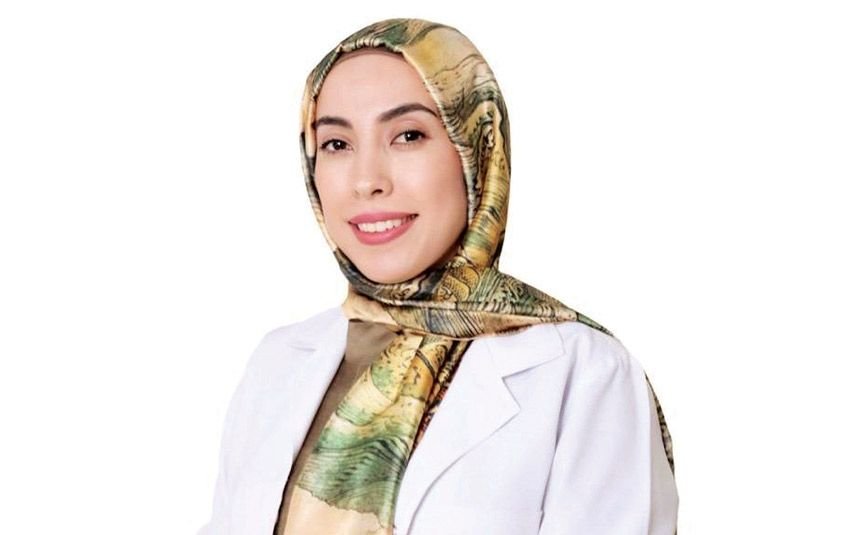
On the occasion of World Sickle Cell Day, Gulf News interviewed Dr. Fatima Malallah, Hematology and Oncology Consultant and Head of the Hematology Center at Government Hospitals, to learn about the most prominent therapeutic developments and the center’s services for sickle cell patients.
{After the introduction of advanced treatments for scleroderma patients in Bahrain, the dream of recovery has become a reality. How do you see the new treatments and the cases that have been treated recently?
There is no doubt that what we are witnessing today represents a qualitative shift in the treatment of sickle cell disease, as we have moved from the stage of focusing on controlling symptoms and complications to a stage in which recovery has become possible for some patients through gene therapy and stem cell transplantation. !
The Kingdom of Bahrain has achieved a distinguished medical achievement by applying gene therapy to patients with sclerosis, and the initial results were very encouraging, as they showed a significant improvement in the condition of patients who underwent treatment and a noticeable reduction in crises and complications associated with the disease. These achievements give patients and their families real hope for a better future, while ensuring that patients choose this type of treatment according to precise medical standards to ensure the best results.
!{What are the latest developments in the Center for Genetic Blood Diseases? What is the current capacity and cases treated there?
The Center for Genetic Blood Diseases continues to develop its medical services provided to patients with sickle cell anemia. The center is the national facility specialized in providing comprehensive care for this category of patients, through diagnostic services, treatment, periodic follow-up, and dealing with acute and chronic complications of the disease in accordance with the latest medical standards.
One of the most prominent recent achievements and developments at the center is the launch of the transitional clinic for patients with sickle cell anemia, which aims to ensure a smooth and safe transition of patients from pediatric services to adult services, through joint follow-up between the pediatric hematology consultant and the adult hematology consultant, ensuring continuity of health care and maintaining the quality of therapeutic follow-up during this important stage.
The first national registry for patients with sickle cell anemia was also launched in the Kingdom of Bahrain, which represents an important strategic step to support health care and scientific research, through documenting patients and following up on health indicators and treatment results, which contributes to developing health services and improving the outcomes of care provided to patients. !
Among the most prominent developments is also the strengthening of cooperation and coordination with the gene therapy and stem cell transplantation program at the Bahrain Oncology Centre, allowing eligible patients to benefit from advanced treatment options, and supporting the Kingdom’s efforts in providing the latest treatments for sickle cell anemia patients. !
The center’s current capacity is 64 beds for admission, in addition to 17 beds in the emergency department designated to receive acute cases around the clock, which contributes to providing integrated and specialized care for patients. The center also specializes in receiving, treating and following up patients with sickle cell anemia, with a focus on preventing complications, improving quality of life and providing them with sustainable health care.
{!What are the latest treatment protocols within the center?
The center relies on the latest treatment protocols based on scientific evidence and international recommendations to treat sickle cell disease, where the treatment plan is designed to suit each patient’s condition and health needs. These protocols include the use of hydroxyurea for appropriate cases, and blood transfusion programs for cases that require it, in addition to periodic follow-up for early detection and treatment of complications, and attention to preventing infection and enhancing quality of life. !
Patients with severe or recurrent complications are also evaluated to determine their eligibility to benefit from advanced treatments such as stem cell transplantation and gene therapy. !
The center is also keen to continuously update its protocols in line with the latest global scientific developments, to ensure that patients receive the best possible care in accordance with the latest medical standards.
!{!How is coordination between you and the gene therapy program at the Bahrain Oncology Centre?
-There is ongoing cooperation and coordination between the Center for Genetic Blood Diseases and the Gene Therapy and Stem Cell Transplantation Program at the Bahrain Oncology Center, where patients who are candidates for treatment are identified based on clear medical and scientific criteria. The Hereditary Blood Diseases Center team follows up the patients, evaluates their clinical condition, and conducts the necessary tests. The cases are then discussed within a multidisciplinary team to make the appropriate decision regarding gene therapy or stem cell transplantation. This integration between national health institutions represents a successful model that aims to provide the best treatment options for patients according to the highest international standards, while ensuring continuous follow-up before, during and after treatment. !
{!What is the importance of awareness and genetic testing before marriage, and has it really contributed to reducing the spread of the disease?
Genetic testing before marriage is one of the most important national preventive programs to limit the transmission of genetic diseases, especially sickle cell disease. Knowing the genetic status of the spouses before marriage helps them make informed and considered decisions, and gives them a clear understanding of the possibility of transmitting the disease to their children. The premarital screening program, in addition to ongoing awareness-raising efforts, has contributed to achieving tangible results across the Kingdom, as national studies have shown a decrease in the incidence of sickle cell disease among newborns by about 75% compared to rates recorded in the 1980s, which reflects the success of national efforts in the field of prevention, early detection, and community awareness. Therefore, continuing community awareness and promoting the culture of early screening remains one of the basic pillars in confronting the disease, in parallel with the great progress we are witnessing today in modern treatments and gene therapy. We emphasize that prevention always remains the best option, while advanced treatments and gene therapy represent a real glimmer of hope for patients suffering from severe cases of sickle cell anemia, opening new horizons towards a healthier and more stable life.