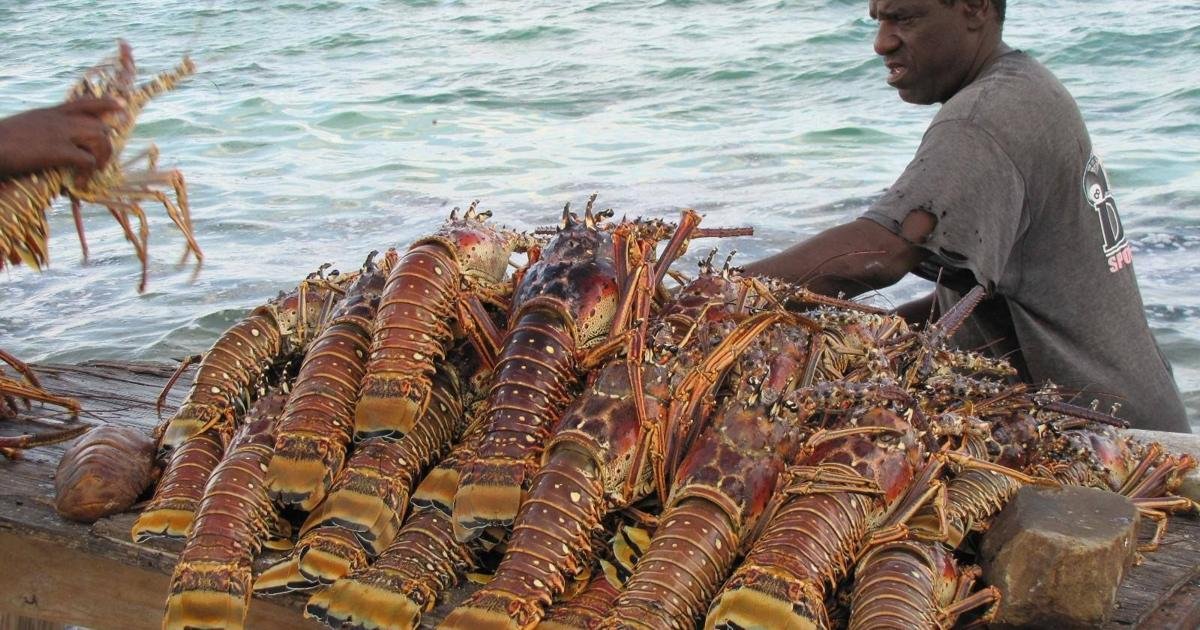
Paul Maillis, secretary of the National Fisheries Association (NFA), told Guardian Business yesterday that the imposition of a 15 percent US tariff on seafood will hurt American consumers, and will not harm the local export of crawfish to other markets.
US President Donald Trump announced a 15 percent global tariff policy to replace prior levies struck down by the Supreme Court. For fish and seafood like lobster, this import tax increase — and ongoing parallel trade restrictions — directly drives up retail costs for American consumers and lowers profit margins for international suppliers.
Mailis said: “I don’t anticipate that to have a huge impact on whether or not The Bahamas is competitive or not. What it’s going to do is simply depress the willingness to purchase on the American side.
“With their struggling economy at the moment, that is going to perhaps depress imports, but it’s not going to cause The Bahamas to be at a competitive disadvantage, except as it pertains to competing with the American suppliers of spiny lobster, because Florida does produce spiny lobster, though in a much more limited way than The Bahamas, and so that’s where the competitive advantage will be lost.”
In terms of competing with spiny lobster competitors in other jurisdictions around the world, the imposition of the 15 percent will be across the board and will keep the playing field level, Mailis asserted.
Additionally, The Bahamas could face a new 12.5 percent tariff on exports to the United States under a proposal by the Office of the United States Trade Representative (USTR), which has determined that this country has failed to impose and effectively enforce a prohibition on goods produced with forced labor.
Mailis continued: “Of course, we don’t want to see any more further hindrances on our American consumers, because the more they’re struggling, the less they buy, so they’re moreso hurting themselves at this point with these tariffs, though it’s not as if tariffs are always bad and always wrong. But as with all things, when you are put in a situation where you’re being treated as a hostile entity, the question to the government is what are we going to do about it?