Wednesday, June 17, 2026
    The GeoStrategic Consensus
    No Result
    View All Result
    • Login
    • HOME
    • AMERICAS
      • Argentina
      • Brazil
      • Canada
      • Chile
      • Colombia
      • Costa Rica
      • Cuba
      • Dominican Republic
      • Ecuador
      • El Salvador
      • Greenland
      • Guatemala
      • Honduras
      • Mexico
      • Nicaragua
      • Panama
      • Paraguay
      • Peru
      • United States
      • Uruguay
      • Venezuela
    • ASIA-PACIFIC
      • Australia
      • Brunei Darussalam
      • Cambodia
      • China
      • Federated States of Micronesia
      • Fiji
      • Indonesia
      • Japan
      • Kiribati
      • Laos
      • Malaysia
      • Marshall Islands
      • Mongolia
      • Myanmar
      • Nauru
      • New Zealand
      • North Korea
      • Palau
      • Papua New Guinea
      • Philippines
      • Samoa
      • Singapore
      • Solomon Islands
      • South Korea
      • Taiwan
      • Thailand
      • Timor-Leste
      • Tonga
      • Tuvalu
      • Vanuatu
      • Vietnam
    • CARICOM
      • CARICOM – Non-English
        • Haiti
        • Suriname
      • CARICOM Associates
        • Anguilla
        • Bermuda
        • British-Virgin-Islands
        • Cayman-Islands
        • Curacao
        • Turks-and-Caicos
      • CARICOM English
        • Antigua and Barbuda
        • Barbados
        • Belize
        • Dominica
        • Grenada
        • Guyana
        • Jamaica
        • Montserrat
        • Saint Kitts and Nevis
        • Saint Lucia
        • Saint Vincent and the Grenadines
        • The Bahamas
        • Trinidad and Tobago
    • EURASIA
      • Armenia
      • Azerbaijan
      • Balarus
      • Georgia
      • Kazakhstan
      • Kyrgyzstan
      • Moldova
      • Russia
      • Tajikistan
      • Turkmenistan
      • Ukraine
      • Uzbekistan
    • EUROPE
      • Albania
      • Andorra
      • Austria
      • Bosnia and Herzegovina
      • Bulgaria
      • Croatia
      • Cyprus
      • Czech Republic
      • Denmark
      • Estonia
      • Finland
      • France
      • Germany
      • Greece
      • Holy See
      • Hungary
      • Iceland
      • Ireland
      • Italy
      • Kosovo
      • Latvia
      • Liechtenstein
      • Lithuania
      • Luxembourg
      • Malta
      • Monaco
      • Montenegro
      • Netherlands
      • North Macedonia
      • Norway
      • Poland
      • Portugal
      • Romania
      • San Marino
      • Serbia
      • Slovakia
      • Slovenia
      • Spain
      • Sweden
      • Switzerland
      • United Kingdom
    • MIDDLE EAST AND NORTH AFRICA
      • Algeria
      • Bahrain
      • Egypt
      • Iran
      • Iraq
      • Israel
      • Jordan
      • Kuwait
      • Lebanon
      • Lybia
      • Morocco
      • Oman
      • Palestinian Territories
      • Qatar
      • Saudi Arabia
      • Syria
      • Tunisia
      • Turkey
      • United Arab Emirates
      • Western Sahara
      • Yemen
    • SOUTH ASIA
      • Afghanistan
      • Bangladesh
      • Bhutan
      • India
      • Maldives
      • Nepal
      • Pakistan
      • Sri Lanka
    • SUB-SAHARAN AFRICA
      • Angola
      • Benin
      • Botswana
      • Burkina Faso
      • Burundi
      • Cabo Verde
      • Cameroon
      • Central African Republic
      • Chad
      • Comoros
      • Cote d’Ivoire
      • Democratic Republic of the Congo
      • Djibouti
      • Equatorial Guinea
      • Eritrea
      • Eswatini
      • Ethiopia
      • Gabon
      • Gambia
      • Ghana
      • Guinea
      • Guinea Bissau
      • Kenya
      • Lesotho
      • Liberia
      • Madagascar
      • Malawi
      • Mali
      • Mauritania
      • Mauritius
      • Mozambique
      • Namibia
      • Niger
      • Nigeria
      • Republic of the Congo
      • Rwanda
      • Sao Tome and Principe
      • Senegal
      • Seychelles
      • Sierra Leone
      • Somalia
      • South Africa
      • South Sudan
      • Sudan
      • Tanzania
      • Togo
      • Uganda
      • Zambia
      • Zimbabwe
    • HOME
    • AMERICAS
      • Argentina
      • Brazil
      • Canada
      • Chile
      • Colombia
      • Costa Rica
      • Cuba
      • Dominican Republic
      • Ecuador
      • El Salvador
      • Greenland
      • Guatemala
      • Honduras
      • Mexico
      • Nicaragua
      • Panama
      • Paraguay
      • Peru
      • United States
      • Uruguay
      • Venezuela
    • ASIA-PACIFIC
      • Australia
      • Brunei Darussalam
      • Cambodia
      • China
      • Federated States of Micronesia
      • Fiji
      • Indonesia
      • Japan
      • Kiribati
      • Laos
      • Malaysia
      • Marshall Islands
      • Mongolia
      • Myanmar
      • Nauru
      • New Zealand
      • North Korea
      • Palau
      • Papua New Guinea
      • Philippines
      • Samoa
      • Singapore
      • Solomon Islands
      • South Korea
      • Taiwan
      • Thailand
      • Timor-Leste
      • Tonga
      • Tuvalu
      • Vanuatu
      • Vietnam
    • CARICOM
      • CARICOM – Non-English
        • Haiti
        • Suriname
      • CARICOM Associates
        • Anguilla
        • Bermuda
        • British-Virgin-Islands
        • Cayman-Islands
        • Curacao
        • Turks-and-Caicos
      • CARICOM English
        • Antigua and Barbuda
        • Barbados
        • Belize
        • Dominica
        • Grenada
        • Guyana
        • Jamaica
        • Montserrat
        • Saint Kitts and Nevis
        • Saint Lucia
        • Saint Vincent and the Grenadines
        • The Bahamas
        • Trinidad and Tobago
    • EURASIA
      • Armenia
      • Azerbaijan
      • Balarus
      • Georgia
      • Kazakhstan
      • Kyrgyzstan
      • Moldova
      • Russia
      • Tajikistan
      • Turkmenistan
      • Ukraine
      • Uzbekistan
    • EUROPE
      • Albania
      • Andorra
      • Austria
      • Bosnia and Herzegovina
      • Bulgaria
      • Croatia
      • Cyprus
      • Czech Republic
      • Denmark
      • Estonia
      • Finland
      • France
      • Germany
      • Greece
      • Holy See
      • Hungary
      • Iceland
      • Ireland
      • Italy
      • Kosovo
      • Latvia
      • Liechtenstein
      • Lithuania
      • Luxembourg
      • Malta
      • Monaco
      • Montenegro
      • Netherlands
      • North Macedonia
      • Norway
      • Poland
      • Portugal
      • Romania
      • San Marino
      • Serbia
      • Slovakia
      • Slovenia
      • Spain
      • Sweden
      • Switzerland
      • United Kingdom
    • MIDDLE EAST AND NORTH AFRICA
      • Algeria
      • Bahrain
      • Egypt
      • Iran
      • Iraq
      • Israel
      • Jordan
      • Kuwait
      • Lebanon
      • Lybia
      • Morocco
      • Oman
      • Palestinian Territories
      • Qatar
      • Saudi Arabia
      • Syria
      • Tunisia
      • Turkey
      • United Arab Emirates
      • Western Sahara
      • Yemen
    • SOUTH ASIA
      • Afghanistan
      • Bangladesh
      • Bhutan
      • India
      • Maldives
      • Nepal
      • Pakistan
      • Sri Lanka
    • SUB-SAHARAN AFRICA
      • Angola
      • Benin
      • Botswana
      • Burkina Faso
      • Burundi
      • Cabo Verde
      • Cameroon
      • Central African Republic
      • Chad
      • Comoros
      • Cote d’Ivoire
      • Democratic Republic of the Congo
      • Djibouti
      • Equatorial Guinea
      • Eritrea
      • Eswatini
      • Ethiopia
      • Gabon
      • Gambia
      • Ghana
      • Guinea
      • Guinea Bissau
      • Kenya
      • Lesotho
      • Liberia
      • Madagascar
      • Malawi
      • Mali
      • Mauritania
      • Mauritius
      • Mozambique
      • Namibia
      • Niger
      • Nigeria
      • Republic of the Congo
      • Rwanda
      • Sao Tome and Principe
      • Senegal
      • Seychelles
      • Sierra Leone
      • Somalia
      • South Africa
      • South Sudan
      • Sudan
      • Tanzania
      • Togo
      • Uganda
      • Zambia
      • Zimbabwe
    No Result
    View All Result
    Agentially
    No Result
    View All Result
    Home EUROPE Albania

    The False Civil Society and the Real One

    The Analyst by The Analyst
    June 17, 2026
    in Albania
    The False Civil Society and the Real One


    Change font size:


    READ ALSO

    In the squares and streets for Rama’s departure, Auron Tare: Protests do not harm tourism! The real threat is the concreting of protected areas

    The draft of the 14 points of the agreement between the US and Iran is revealed! From the end of the war and the opening of Hormuz, to the nuclear program and the 300 billion dollars for Tehran

    In Albania, real civic society is no longer in donor-funded conference rooms. It is in the streets.

    By Mrika Temali

    Tirana Times, June 16, 2026 – Thirty-five years after the fall of communism, Albania offers a bitter paradox. The European Union, Western governments and international foundations have spent millions indeed tens of millions in the name of building civil society, strengthening democracy, protecting civic space and empowering citizens. Yet, at one of the most dramatic political moments in the country’s post-communist history, much of what is officially called “civil society” is either silent, absent, or comfortably positioned within the orbit of power.

    This is not a failure of terminology. It is a failure of democracy.

    For decades, Albania has been home to an entire industry of democracy projects: seminars, capacity-building programs, consultation meetings, monitoring reports, donor strategies, public forums, roundtables on civic space, workshops on good governance, electoral integrity, anti-corruption, media freedom and European integration. A whole vocabulary of democracy has flourished. But the reality of democracy has withered.

    The result is that a large part of Albania’s so-called civil society has become an institution in the service of the system it was supposed to scrutinize. It speaks the language of accountability, but avoids holding power accountable. It invokes citizens, but rarely stands with them when they confront abuse. It talks about civic space, while failing to defend the actual civic space where citizens gather, protest and risk confrontation with an arrogant state.

    This does not mean that all organizations are compromised, or that all activists have been silent. That would be unfair and inaccurate. Even in a difficult and increasingly hostile environment, a small number of organizations and civic actors have tried to resist the general domestication of civil society. The Albanian Helsinki Committee has continued to raise its voice on human rights, freedoms and democratic standards. Qëndresa Qytetare has tried to mobilize society against corruption and the abuse of public power. In particular, a number of environmental organizations and activists deserve recognition for their persistence, courage and clarity. They have often been among the few to confront destructive development projects, defend public interest and give voice to communities ignored by power.

    But these exceptions only make the larger failure more visible.

    The dominant machinery of civil society the professionalized, donor-fed, access-seeking sector has largely failed to act as a democratic counterweight. Too often, it has preferred safety to truth, access to independence, and polite participation to public confrontation. It has been present in consultation processes, but absent in moments of civic courage. It has mastered the language of democratization, but often avoided the central political question of our time: the concentration of power.

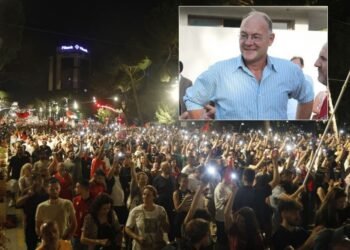
    The real civil society in Albania today is not found in conference halls. It is in the streets and squares of Tirana, in the towns of Albania, and in the capitals of Europe where Albanians in the diaspora have gathered to protest. It is made of young men and women, mothers with children, citizens who have no donor contracts, no policy briefs, no international visibility, but who have courage. They are protesting against a political system that is democratic only in form; against the arrogance of power; against a regime of captured institutions, stolen elections, weakened competition and kleptocratic rule.

    They are the civil society Albania was supposed to build.

    For years, Albanians have watched the fusion of state and party, government and business, public office and private enrichment. They have watched institutions lose independence, elections lose credibility, and public resources become instruments of political control. They have watched the country empty itself in a demographic exodus of biblical proportions. Hundreds of thousands of citizens have left , not simply in search of better salaries, but in flight from hopelessness, humiliation and the absence of a future.

    And through much of this, the official civil society has remained largely silent.

    It was silent when the state and power became one. It was silent when citizens lost trust in elections. It was silent when institutions became extensions of the executive. It was silent when arrogance replaced accountability. It was silent when Albania’s young people, the very human capital on which any democratic future depends, abandoned the country in tragic numbers.

    Now, at precisely the moment when real civic courage is visible in the streets, we are invited once again to discuss “civic space,” “democratization,” “democratic backsliding,” “electoral integrity,” “media freedom,” “public consultation” and “protests as democratic expression.” The irony is almost unbearable.

    It is not that such themes are unimportant. On the contrary, they are essential. But when they are discussed in a parallel universe, detached from the political reality of the country, they become part of the problem. They become a democratic ritual without democratic consequence. They produce recommendations, but not resistance; reports, but not responsibility; language, but not truth.

    The Albania of official consultations and the Albania of citizens in the streets seem today to belong to two different worlds. One speaks in the polished vocabulary of European projects. The other speaks in the raw language of anger, dignity and fear overcome. One seeks procedural relevance. The other seeks freedom.

    This should be a moment of serious reflection not only for Albania’s NGO sector, but also for the European Union and the wider West. If, after three and a half decades and enormous financial investment, the structures built in the name of civil society are unable or unwilling to confront democratic decay, then something has gone deeply wrong. This is not only Albania’s failure. It is also a failure of Western democracy assistance.

    Too often, donors have rewarded form over substance. They have preferred predictable partners over courageous voices. They have financed the production of reports while ignoring the production of fear. They have confused professionalized NGOs with civic life. They have treated access to government as influence, and influence as impact. In doing so, they have helped create a class of civil society actors that are fluent in donor language but increasingly disconnected from society itself.

    This is why the distinction matters. Albania does have civil society. But it is not necessarily where donors have been trained to look for it. It is not always in registered organizations, funded projects, policy networks or regional platforms. Sometimes it is in a village resisting the destruction of its land. Sometimes it is in young people denouncing corruption. Sometimes it is in environmental activists defending a lagoon, a forest, a protected area or a coastline. Sometimes it is in citizens who refuse to accept that public property, elections and institutions belong to those in power.

    A civil society that cannot speak when democracy is under attack is not civil society. A civil society that fears losing access more than it fears losing freedom has already lost its mission. A civil society that monitors everything except the concentration of power is not protecting democracy; it is decorating its decline.

    The protests in Albania have revealed something profound. Fear has begun to change sides. Citizens who were treated as passive, tired or defeated are showing that society is not dead. It was merely excluded from the official architecture of “civil society.” The boys and girls in the squares, the parents who bring their children, the diaspora that raises its voice abroad — they are not the footnotes of democratization. They are its main text.

    For the European Union, this is a warning. Albania’s European future cannot be built on government narratives and NGO choreography. It cannot rely on reports that avoid naming the central problem: the capture of power. If the EU is serious about enlargement, rule of law and democratic transformation, it must look beyond the official theatre of reform. It must listen to citizens, not only to institutions. It must ask why a country praised for progress is producing such deep civic anger, such mass emigration, and such distrust of its own democratic order.

    Albania does not need another vocabulary of civic space. It needs civic freedom. It does not need another consultation about democratic backsliding. It needs the courage to say that democracy has already been gravely damaged. It does not need civil society as an accessory to power. It needs civil society as a counterweight to power.

    The streets of Albania are offering the clearest lesson in democratization today. It is not written in project documents. It is not moderated in online meetings. It is written on the faces of citizens who have decided that silence is no longer possible.

    That is Albania’s real civil society.

    And perhaps, after thirty-five years, it has finally returned.


    Source link

    Related Posts

    In the squares and streets for Rama’s departure, Auron Tare: Protests do not harm tourism! The real threat is the concreting of protected areas
    Albania

    In the squares and streets for Rama’s departure, Auron Tare: Protests do not harm tourism! The real threat is the concreting of protected areas

    June 17, 2026
    The draft of the 14 points of the agreement between the US and Iran is revealed! From the end of the war and the opening of Hormuz, to the nuclear program and the 300 billion dollars for Tehran
    Albania

    The draft of the 14 points of the agreement between the US and Iran is revealed! From the end of the war and the opening of Hormuz, to the nuclear program and the 300 billion dollars for Tehran

    June 17, 2026
    EU-Western Balkans Summit 2026: New Impetus for the Enlargement Debate?
    Albania

    EU-Western Balkans Summit 2026: New Impetus for the Enlargement Debate?

    June 17, 2026
    Salah-De Bryjn, “the last tango”! Tonight’s battle in America will be special
    Albania

    Salah-De Bryjn, “the last tango”! Tonight’s battle in America will be special

    June 16, 2026
    Albania’s Civic Awakening: A Year After Rama’s Landslide, the Illusion of Invincibility Breaks
    Albania

    Albania’s Civic Awakening: A Year After Rama’s Landslide, the Illusion of Invincibility Breaks

    June 16, 2026
    The former Minister of Trade and Industry in Kosovo is sentenced to 2 years in prison, he favored the garden for a benefit of 700 thousand euros
    Albania

    The former Minister of Trade and Industry in Kosovo is sentenced to 2 years in prison, he favored the garden for a benefit of 700 thousand euros

    June 16, 2026
    Next Post
    In the squares and streets for Rama’s departure, Auron Tare: Protests do not harm tourism! The real threat is the concreting of protected areas

    In the squares and streets for Rama's departure, Auron Tare: Protests do not harm tourism! The real threat is the concreting of protected areas

    POPULAR NEWS

    Markets are waiting for the determination of new interest rates

    Markets are waiting for the determination of new interest rates

    June 17, 2026
    Yellow warning for thunderstorms in Andorra today and tomorrow afternoon

    Yellow warning for thunderstorms in Andorra today and tomorrow afternoon

    June 16, 2026
    Forecast casts doubt on government’s 100,000-job pledge | Yle News

    Forecast casts doubt on government’s 100,000-job pledge | Yle News

    June 17, 2026
    PM Napat calls on DGs and Directors to get out to the Islands | News

    PM Napat calls on DGs and Directors to get out to the Islands | News

    June 16, 2026
    They started laying coconut shells under the roads

    They started laying coconut shells under the roads

    June 16, 2026

    EDITOR'S PICK

    All about FIFA World Cup 2026: record number of matches, difficult flights and where to watch | Football

    All about FIFA World Cup 2026: record number of matches, difficult flights and where to watch | Football

    June 17, 2026
    Five arrested, charged with plotting to attack UFC event at White House, DOJ says

    Five arrested, charged with plotting to attack UFC event at White House, DOJ says

    June 16, 2026
    Sighting of Muharram crescent moon for Year 1448 AH confirmed

    Sighting of Muharram crescent moon for Year 1448 AH confirmed

    June 16, 2026
    Accès restreint – Le Monde

    Accès restreint – Le Monde

    June 16, 2026

    Recent Posts

    • What does the film summer of 2026 bring?
    • 4 years in prison for the arrested lawyer, Latifa Deeb – Al-Shorouk Online
    • Is the war over? – The world: the news
    • Professor of Doctrine at Al-Azhar University: The wife gets half the dowry upon divorce before consummation

      © 2026 Agentially - Navigating shifting sovereignties and global risk .

      Welcome Back!

      Login to your account below

      Forgotten Password?

      Retrieve your password

      Please enter your username or email address to reset your password.

      Log In
      No Result
      View All Result

        © 2026 Agentially - Navigating shifting sovereignties and global risk .

        This website uses cookies. By continuing to use this website you are giving consent to cookies being used. Visit our Privacy and Cookie Policy.