Monday, May 4, 2026
    The GeoStrategic Consensus
    No Result
    View All Result
    • Login
    • HOME
    • AMERICAS
      • Argentina
      • Brazil
      • Canada
      • Chile
      • Colombia
      • Costa Rica
      • Cuba
      • Dominican Republic
      • Ecuador
      • El Salvador
      • Greenland
      • Guatemala
      • Honduras
      • Mexico
      • Nicaragua
      • Panama
      • Paraguay
      • Peru
      • United States
      • Uruguay
      • Venezuela
    • ASIA-PACIFIC
      • Australia
      • Brunei Darussalam
      • Cambodia
      • China
      • Federated States of Micronesia
      • Fiji
      • Indonesia
      • Japan
      • Kiribati
      • Laos
      • Malaysia
      • Marshall Islands
      • Mongolia
      • Myanmar
      • Nauru
      • New Zealand
      • North Korea
      • Palau
      • Papua New Guinea
      • Philippines
      • Samoa
      • Singapore
      • Solomon Islands
      • South Korea
      • Taiwan
      • Thailand
      • Timor-Leste
      • Tonga
      • Tuvalu
      • Vanuatu
      • Vietnam
    • CARICOM
      • CARICOM – Non-English
        • Haiti
        • Suriname
      • CARICOM Associates
        • Anguilla
        • Bermuda
        • British-Virgin-Islands
        • Cayman-Islands
        • Curacao
        • Turks-and-Caicos
      • CARICOM English
        • Antigua and Barbuda
        • Barbados
        • Belize
        • Dominica
        • Grenada
        • Guyana
        • Jamaica
        • Montserrat
        • Saint Kitts and Nevis
        • Saint Lucia
        • Saint Vincent and the Grenadines
        • The Bahamas
        • Trinidad and Tobago
    • EURASIA
      • Armenia
      • Azerbaijan
      • Balarus
      • Georgia
      • Kazakhstan
      • Kyrgyzstan
      • Moldova
      • Russia
      • Tajikistan
      • Turkmenistan
      • Ukraine
      • Uzbekistan
    • EUROPE
      • Albania
      • Andorra
      • Austria
      • Bosnia and Herzegovina
      • Bulgaria
      • Croatia
      • Cyprus
      • Czech Republic
      • Denmark
      • Estonia
      • Finland
      • France
      • Germany
      • Greece
      • Holy See
      • Hungary
      • Iceland
      • Ireland
      • Italy
      • Kosovo
      • Latvia
      • Liechtenstein
      • Lithuania
      • Luxembourg
      • Malta
      • Monaco
      • Montenegro
      • Netherlands
      • North Macedonia
      • Norway
      • Poland
      • Portugal
      • Romania
      • San Marino
      • Serbia
      • Slovakia
      • Slovenia
      • Spain
      • Sweden
      • Switzerland
      • United Kingdom
    • MIDDLE EAST AND NORTH AFRICA
      • Algeria
      • Bahrain
      • Egypt
      • Iran
      • Iraq
      • Israel
      • Jordan
      • Kuwait
      • Lebanon
      • Lybia
      • Morocco
      • Oman
      • Palestinian Territories
      • Qatar
      • Saudi Arabia
      • Syria
      • Tunisia
      • Turkey
      • United Arab Emirates
      • Western Sahara
      • Yemen
    • SOUTH ASIA
      • Afghanistan
      • Bangladesh
      • Bhutan
      • India
      • Maldives
      • Nepal
      • Pakistan
      • Sri Lanka
    • SUB-SAHARAN AFRICA
      • Angola
      • Benin
      • Botswana
      • Burkina Faso
      • Burundi
      • Cabo Verde
      • Cameroon
      • Central African Republic
      • Chad
      • Comoros
      • Cote d’Ivoire
      • Democratic Republic of the Congo
      • Djibouti
      • Equatorial Guinea
      • Eritrea
      • Eswatini
      • Ethiopia
      • Gabon
      • Gambia
      • Ghana
      • Guinea
      • Guinea Bissau
      • Kenya
      • Lesotho
      • Liberia
      • Madagascar
      • Malawi
      • Mali
      • Mauritania
      • Mauritius
      • Mozambique
      • Namibia
      • Niger
      • Nigeria
      • Republic of the Congo
      • Rwanda
      • Sao Tome and Principe
      • Senegal
      • Seychelles
      • Sierra Leone
      • Somalia
      • South Africa
      • South Sudan
      • Sudan
      • Tanzania
      • Togo
      • Uganda
      • Zambia
      • Zimbabwe
    • HOME
    • AMERICAS
      • Argentina
      • Brazil
      • Canada
      • Chile
      • Colombia
      • Costa Rica
      • Cuba
      • Dominican Republic
      • Ecuador
      • El Salvador
      • Greenland
      • Guatemala
      • Honduras
      • Mexico
      • Nicaragua
      • Panama
      • Paraguay
      • Peru
      • United States
      • Uruguay
      • Venezuela
    • ASIA-PACIFIC
      • Australia
      • Brunei Darussalam
      • Cambodia
      • China
      • Federated States of Micronesia
      • Fiji
      • Indonesia
      • Japan
      • Kiribati
      • Laos
      • Malaysia
      • Marshall Islands
      • Mongolia
      • Myanmar
      • Nauru
      • New Zealand
      • North Korea
      • Palau
      • Papua New Guinea
      • Philippines
      • Samoa
      • Singapore
      • Solomon Islands
      • South Korea
      • Taiwan
      • Thailand
      • Timor-Leste
      • Tonga
      • Tuvalu
      • Vanuatu
      • Vietnam
    • CARICOM
      • CARICOM – Non-English
        • Haiti
        • Suriname
      • CARICOM Associates
        • Anguilla
        • Bermuda
        • British-Virgin-Islands
        • Cayman-Islands
        • Curacao
        • Turks-and-Caicos
      • CARICOM English
        • Antigua and Barbuda
        • Barbados
        • Belize
        • Dominica
        • Grenada
        • Guyana
        • Jamaica
        • Montserrat
        • Saint Kitts and Nevis
        • Saint Lucia
        • Saint Vincent and the Grenadines
        • The Bahamas
        • Trinidad and Tobago
    • EURASIA
      • Armenia
      • Azerbaijan
      • Balarus
      • Georgia
      • Kazakhstan
      • Kyrgyzstan
      • Moldova
      • Russia
      • Tajikistan
      • Turkmenistan
      • Ukraine
      • Uzbekistan
    • EUROPE
      • Albania
      • Andorra
      • Austria
      • Bosnia and Herzegovina
      • Bulgaria
      • Croatia
      • Cyprus
      • Czech Republic
      • Denmark
      • Estonia
      • Finland
      • France
      • Germany
      • Greece
      • Holy See
      • Hungary
      • Iceland
      • Ireland
      • Italy
      • Kosovo
      • Latvia
      • Liechtenstein
      • Lithuania
      • Luxembourg
      • Malta
      • Monaco
      • Montenegro
      • Netherlands
      • North Macedonia
      • Norway
      • Poland
      • Portugal
      • Romania
      • San Marino
      • Serbia
      • Slovakia
      • Slovenia
      • Spain
      • Sweden
      • Switzerland
      • United Kingdom
    • MIDDLE EAST AND NORTH AFRICA
      • Algeria
      • Bahrain
      • Egypt
      • Iran
      • Iraq
      • Israel
      • Jordan
      • Kuwait
      • Lebanon
      • Lybia
      • Morocco
      • Oman
      • Palestinian Territories
      • Qatar
      • Saudi Arabia
      • Syria
      • Tunisia
      • Turkey
      • United Arab Emirates
      • Western Sahara
      • Yemen
    • SOUTH ASIA
      • Afghanistan
      • Bangladesh
      • Bhutan
      • India
      • Maldives
      • Nepal
      • Pakistan
      • Sri Lanka
    • SUB-SAHARAN AFRICA
      • Angola
      • Benin
      • Botswana
      • Burkina Faso
      • Burundi
      • Cabo Verde
      • Cameroon
      • Central African Republic
      • Chad
      • Comoros
      • Cote d’Ivoire
      • Democratic Republic of the Congo
      • Djibouti
      • Equatorial Guinea
      • Eritrea
      • Eswatini
      • Ethiopia
      • Gabon
      • Gambia
      • Ghana
      • Guinea
      • Guinea Bissau
      • Kenya
      • Lesotho
      • Liberia
      • Madagascar
      • Malawi
      • Mali
      • Mauritania
      • Mauritius
      • Mozambique
      • Namibia
      • Niger
      • Nigeria
      • Republic of the Congo
      • Rwanda
      • Sao Tome and Principe
      • Senegal
      • Seychelles
      • Sierra Leone
      • Somalia
      • South Africa
      • South Sudan
      • Sudan
      • Tanzania
      • Togo
      • Uganda
      • Zambia
      • Zimbabwe
    No Result
    View All Result
    Agentially
    No Result
    View All Result
    Home ASIA-PACIFIC Australia

    US Navy blockade seems to be working as Iran-linked vessels halt or reverse course in Strait of Hormuz

    The Analyst by The Analyst
    April 21, 2026
    in Australia
    US Navy blockade seems to be working as Iran-linked vessels halt or reverse course in Strait of Hormuz


    David McHugh, Konstantin Toropin and Michael Biesecker

    Updated April 16, 2026 — 6:05pm,first published 11:49am

    READ ALSO

    Snowy 2.0: Water torrents gush through tunnel amid project challenges

    Lebanon attacks: UN warns of health crisis amid ongoing Israel-Hezbollah conflict

    You have reached your maximum number of saved items.

    Remove items from your saved list to add more.

    Save this article for later

    Add articles to your saved list and come back to them anytime.

    The US and Iran are considering a two-week ceasefire extension to allow more time to negotiate a peace deal, according to a person familiar with the matter, reducing the risk of renewed fighting despite an intensifying stand-off over the Strait of Hormuz.

    With the initial truce due to expire next week, mediators are seeking technical talks to overcome the most contentious issues preventing a longer-term agreement, said the person, who asked not to be identified discussing sensitive matters. Those include reopening Hormuz, and the future of Iran’s nuclear program.

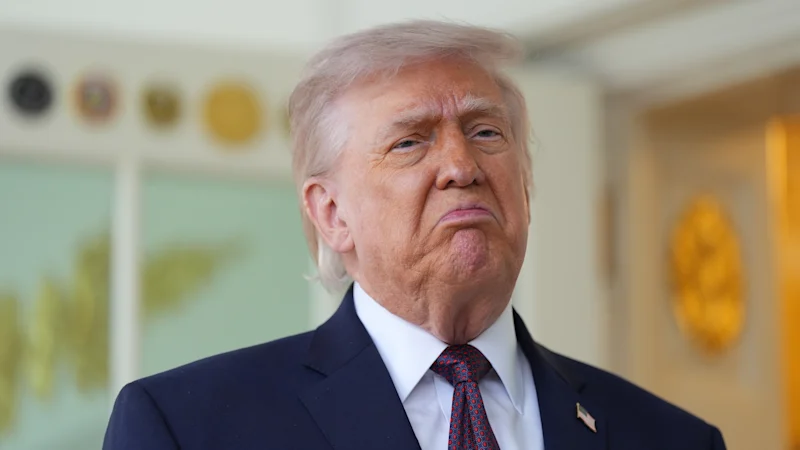
    US President Donald Trump at the White House on Monday. AP

    Fighting between the US and Iran has been on hold since about April 8, shortly after a two-week ceasefire was announced by President Donald Trump the previous evening. An initial round of peace talks was held in Pakistan last weekend, though participants including US Vice President JD Vance departed without a deal.

    White House press secretary Karoline Leavitt said the US had not “formally requested an extension of the ceasefire” with Iran.

    “At this moment, we remain very much engaged in these negotiations, in these talks,” Leavitt said, adding that there are “discussions” about more talks being held in-person “but nothing is official until you hear it from us here at the White House.”

    She said that the possible next rounds of talks “would very likely” be in the Pakistani capital of Islamabad, as they were previously.

    Hezbollah supporters chant slogans and wave flags and posters during an anti-government protest in Lebanon.Getty Images

    Meanwhile, in a development in the war’s other front, Trump wrote late on Wednesday on Truth Social that leaders from Israel and Lebanon would speak the next day in a renewed effort to broker a ceasefire, after the countries’ first direct talks in decades ended the previous day in Washington without a deal.

    It was not clear which leaders Trump was referring to. The Israeli prime minister’s office did not immediately respond to the comment, which was posted before dawn in Israel and Lebanon.

    With the Strait of Hormuz the key point of friction between the US and Iran, China’s foreign minister told his Iranian counterpart that reopening of the waterway, critical to global fuel supply, was an international demand.

    Related Article

    US President Donald Trump speaks to the media outside the White House this week.

    Wang Yi told Abbas Araghchi in a phone call that Iran’s sovereignty, security, and legitimate rights should be respected as a littoral state of the Strait of Hormuz, but freedom of navigation and safety through the strait should be ensured.

    “Working to resume normal passage of the strait is a unanimous call from the international community,” Wang was quoted as saying in a government statement late on Wednesday (Australian time).

    For the moment, the US Navy’s sea blockade against Iran appears to be doing its job.

    Iran-linked or sanctioned vessels that have left the Persian Gulf through the strait have stopped or turned around, shipping data firms say. They appear to have jammed or faked their locations in some instances, complicating an uncertain and risky shipping situation.

    A Navy destroyer in the US Central Command area of operations transits the Strait of Hormuz last week.US Central Command

    The blockade that was ordered by US President Donald Trump and started on Monday had been “fully implemented” by Tuesday, US Central Command Head Admiral Brad Cooper said. “US forces have completely halted economic trade going in and out of Iran by sea.”

    Despite early doubts about how the US would pull off the operation, it could put serious pressure on the Iranian economy, while Tehran’s earlier cut-off of the waterway crucial to oil and gas supplies has sent energy prices higher during the war with the US and Israel.

    The Wall Street Journal even reported that Iran’s shadow fleet – the network of vessels that has been critical to helping it evade sanctions – had met its match in the blockade.

    How the US Navy is enforcing the blockade

    The blockade is being enforced “impartially against all vessels of all nations entering or leaving coastal areas or ports in Iran,” US Central Command said. Vessels avoiding Iranian ports are not affected.

    Related Article

    SMH/Age April 16  Iran war blog GIF Pakistan’s Field Marshal Syed Asim Munir and Iran’s Foreign Minister Abbas Araghchi

    The military set up the blockade in the Gulf of Oman beyond the strait, a US official said. The official, who spoke on condition of anonymity to discuss sensitive military operations, said the strategy is to observe vessels subject to the blockade leave Iranian facilities and clear the strait before intercepting them and forcing them to turn around.

    The official said that the military relies on more than just automated tracking beacons that all merchant ships are required to carry, called AIS, to determine merchant ships were coming from a port in Iran, but wouldn’t go into more detail, citing the need for operational security.

    Ships turn around as traffic adjusts

    US Central Command said on Wednesday (Washington time) that no vessels have made it past its forces during the first 48 hours of the blockade.

    It noted that 10 vessels had complied with directions to turn around and return toward an Iranian port or Iran’s coastal area. Navy warships are telling merchant ships that they are ready to board them and use force to compel compliance.

    On Tuesday, the first full day of the blockade, only eight vessels, most of them linked to Iran or sanctioned, transited the strait, said Ana Subasic, trade risk analyst at data and analytical firm Kpler. The environment is still considered “extremely high risk” despite the ceasefire, she said.

    “Most of the vessels have appeared to halt or have reduced movement after clearing the strait,” she said, “which tells us that the effect of the blockade is starting to show up because most of these vessels that have crossed have some kind of history with carrying Iranian-origin sanctioned cargo.”

    The Rich Starry, a Chinese-owned tanker previously sanctioned by the US for smuggling Iranian petroleum products, left the strait and then turned back this week, according to publicly available ship-tracking data.

    Radio transponder data for the vessel, which is sailing under the flag of the landlocked East African nation of Malawi, shows it entered the Persian Gulf on April 4 empty of cargo. It turned off its transponder for more than a week, a tactic smugglers often use called “running dark” to avoid showing its location.

    The Rich Starry’s signal popped back up off the United Arab Emirates on Monday, laden with oil, though it is possible the ship wasn’t transmitting its accurate location. Smugglers sometimes “spoof” their locations by transmitting inaccurate co-ordinates.

    The ship went through the strait on Monday night before abruptly reversing course in the Gulf of Oman on Tuesday, heading back through the strait and toward Iran’s coast on Wednesday.

    Related Article

    The USS Santa Barbara littoral combat ship designed for near-shore operations including mine sweeping.

    Other Iran-linked tankers transited the strait this week, only to stop. For example, the oil-products tanker Elpis left Iranian waters on Monday and passed through the strait before cutting its engines in the Gulf of Oman, tracking data shows. The ship turned off its radio transponder on Tuesday and its current location couldn’t be independently verified.

    Maritime intelligence firm Windward said that vessel behaviour was “indicating a fragmented and uneven response to the blockade” as sanctioned and false-flagged vessels continued to be active, some transiting the strait, others delaying or reversing course.

    Trying to break Iran’s chokehold

    Iran has blocked the strait by threatening to attack shipping, cutting off what is typically 20 per cent of the world’s daily oil consumption, sending oil prices sharply higher and leading to warnings about higher inflation and recessions in leading economies.

    Vessels were hit with aerial and undersea drones as well as unknown projectiles, killing 11 crew members. While those attacks have dwindled, the risk of navigating the area means that ship traffic has dropped by more than 90 per cent.

    Some of that blocked oil is making it out of Gulf nations through pipelines to the Red Sea and the Gulf of Oman. But those pipelines can’t make up for the effective closure of the strait.

    Iran has also started vetting and collecting money from the few vessels daring to pass. Vessels must submit detailed information on cargo and crew to the paramilitary Revolutionary Guard and pay a $US1 fee per barrel of oil or fuel products before being allowed to pass, according to Kpler.

    A non-Iran-linked, Malta-flagged vessel was the first crude oil carrier to head west through Strait of Hormuz since the US blockade started, according to global shipping tracking monitor Marine Traffic. It is only the second Very Large Crude Carrier – or VLCC – observed making an inbound transit since the early days of the war.

    The VLCC Agios Fanourios I – which is not blacklisted – is expected to arrive on Thursday in Basra, Iraq, where ports are not under US blockade. Marine Traffic said the vessel attempted a transit again after anchoring in the Gulf of Oman for nearly two days.

    Tehran has claimed that one of its own oil supertankers had broken the US blockade, Bloomberg reported. Although it didn’t name the ship, it may have been referring to the Alicia, an empty US-sanctioned ship that made an inbound transit on Wednesday.

    The US blockade has a rule book

    The terms of the US blockade have contributed to some uncertainty. According to a notice to mariners, the blockade is being enforced in the Gulf of Oman and the Arabian Sea, not at the Strait of Hormuz. So simply passing the strait doesn’t mean a vessel beat the blockade.

    “Humanitarian shipments, including food and medical supplies essential for the survival of the civilian populations” can pass with inspections.

    That last provision aligns with international law on naval warfare, which bars blockades solely intended to starve civilians, according to a legal guide from the US Naval War College cited by maritime historian Sal Mercogliano, who runs a YouTube channel on shipping.

    “Neutral” ships can pass – though they may be inspected – but it’s not clear what “neutral” means. The Lloyd’s List Intelligence maritime data firm said the US action “has plunged shipowners into fresh uncertainty around enforcement”.

    So ships from Iranian ports can be detected passing the strait – and still face the risk of being stopped further out. Container ships heading for Iranian ports could be allowed in or out if they’re carrying food – or not, if they’re carrying other goods.

    Iran says it would halt Gulf trade if blockade doesn’t end

    Unless Iran can export oil, available storage will fill up and it will have to shut down wells that are difficult to restart. Additionally, Iran imports gasoline since it lacks the refinery capacity to turn its own oil into fuel.

    The commander of Iran’s joint military command, Ali Abdollahi, warned on Wednesday that Iran would completely block exports and imports across the Persian Gulf region, the Sea of Oman and the Red Sea if the US does not lift its blockade on Iranian ports.

    “Iran will act with strength to defend its national sovereignty and its interests,” he said. He added that the US blockade is “a prelude to violating the ceasefire”.

    AP, Bloomberg

    Get a note directly from our foreign correspondents on what’s making headlines around the world. Sign up for our weekly What in the World newsletter.
    You have reached your maximum number of saved items.

    Remove items from your saved list to add more.

    From our partners


    Source link

    Related Posts

    Snowy 2.0: Water torrents gush through tunnel amid project challenges
    Australia

    Snowy 2.0: Water torrents gush through tunnel amid project challenges

    May 4, 2026
    Lebanon attacks: UN warns of health crisis amid ongoing Israel-Hezbollah conflict
    Australia

    Lebanon attacks: UN warns of health crisis amid ongoing Israel-Hezbollah conflict

    May 4, 2026
    NRL: How Brisbane Broncos coach Michael Maguire defied his critics to become ‘one of the best signings’
    Australia

    NRL: How Brisbane Broncos coach Michael Maguire defied his critics to become ‘one of the best signings’

    May 3, 2026
    Best TV shows to stream in May 2026. What’s on Netflix, Disney, Amazon Prime and more
    Australia

    Best TV shows to stream in May 2026. What’s on Netflix, Disney, Amazon Prime and more

    May 3, 2026
    Warriors vs Eels: Parramatta’s woes continue as Ryley Smith injured in defeat to Warriors
    Australia

    Warriors vs Eels: Parramatta’s woes continue as Ryley Smith injured in defeat to Warriors

    May 3, 2026
    Elizabeth St crowds clearly showed our shared values
    Australia

    Elizabeth St crowds clearly showed our shared values

    May 3, 2026
    Next Post
    UCV Law Faculty demands elections in Venezuela

    UCV Law Faculty demands elections in Venezuela

    POPULAR NEWS

    Justin Bieber fans flood Coachella festival for headlining show – Entertainment

    Justin Bieber fans flood Coachella festival for headlining show – Entertainment

    April 20, 2026

    Over 600 flee homes as Army, NPA clash in Negros Occidental

    April 21, 2026

    Ex-DPWH exec recalls P800-M ‘delivery’ to Zaldy Co 

    April 20, 2026

    Former PM Paluckas suspends party membership, to waive immunity over criminal probe

    April 24, 2026
    Pres. Ali challenges CARICOM to transform into health research powerhouse

    Pres. Ali challenges CARICOM to transform into health research powerhouse

    April 23, 2026

    EDITOR'S PICK

    UWI Vice-Chancellor’s report broadcast set for May 8

    UWI Vice-Chancellor’s report broadcast set for May 8

    May 4, 2026
    European Investment Bank to Finance Forest Projects in Mongolia

    European Investment Bank to Finance Forest Projects in Mongolia

    April 23, 2026
    Shakira sings with Ivete, Bethânia and Caetano in concert – 05/02/2026 – Illustrated

    Shakira sings with Ivete, Bethânia and Caetano in concert – 05/02/2026 – Illustrated

    May 3, 2026
    The TEDAX of the National Police detonate a briefcase after evacuating the center of Pamplona

    The TEDAX of the National Police detonate a briefcase after evacuating the center of Pamplona

    May 3, 2026

    Recent Posts

    • In pictures: Prince Albert II and Princess Charlene mark a historic moment as Monaco Sevens debuts
    • Portugal will have a new Nationality Law: what changes? | Questions and Answers
    • Lagarde warns of families more sensitive to inflation and admits acceleration of interest rate hikes by the ECB
    • San Marino – Very young people and ban on the use of smartphones. We’re talking about it again in the Commission

      © 2026 Agentially - Navigating shifting sovereignties and global risk .

      Welcome Back!

      Login to your account below

      Forgotten Password?

      Retrieve your password

      Please enter your username or email address to reset your password.

      Log In
      No Result
      View All Result

        © 2026 Agentially - Navigating shifting sovereignties and global risk .

        This website uses cookies. By continuing to use this website you are giving consent to cookies being used. Visit our Privacy and Cookie Policy.