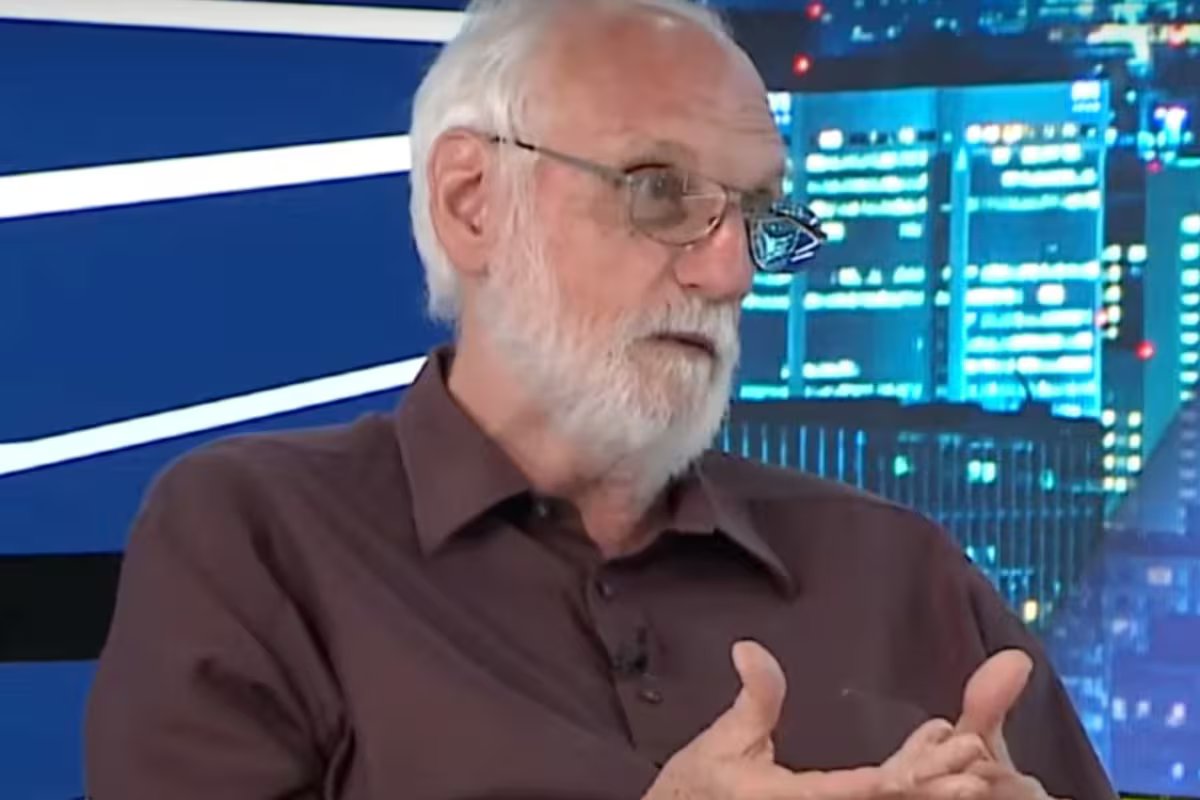
The economist Juan Carlos de Pablo considered on Sunday that Argentina meets the conditions to experience a “Dutch disease” a phenomenon associated with the massive inflow of foreign currency that can affect the competitiveness of other sectors of the economy. As he explained, the growth of energy exports and agricultural production is generating a strong supply of dollars that could lead to that scenario.
During an interview with José Del Rio in Business community (LN+), De Pablo maintained that the discussion about this phenomenon gained relevance from the changes registered in the country’s export structure.
“I am convinced that what is happening, with the record of agricultural production and the energy issue, the issue of the Dutch disease has become fashionable”he stated.

He then explained the origin of the concept. “It is called that because in the 1960s the Dutch discovered gas in the North Sea, which is an exportable product, the exchange rate fell and part of the industrial sector was destroyed. Dollars rained down on them. “It is the problem we have at the moment,” he warned.
De Pablo considered that the current context presents characteristics similar to those that gave rise to this phenomenon. “Evidently we are in a context in which this Dutch disease could appear. Energy products appeared. Argentina was a surplus country in energy matters. Thanks to Kirchnerism, we became a net importer. Now, surplus again. On top of that you have 160 million tons of primary products. Dollars are raining everywhere“, held.
In this framework, he stressed that the abundance of foreign currency today constitutes one of the main economic challenges. “At the moment, The problem is supply. If the Central Bank were not buying some dollars…”, he stated.
“Making economic policy today is more difficult than 50 years ago because the speeds are different. It is what it is. Now there is one relaunch after another. The other day, a colleague told me that the economic team reflected and is paying attention to the IMF in increasing reserves, but that is not the case. The cash opportunity appeared. They turned the tables and are preparing for 2027,” he continued.
On the other hand, De Pablo spoke about the concept of “nationalism” and declared: “This is a quilombo, but it is our quilombo.” “Migration is a minority phenomenon and there have to be many conditions for that to happen,” he continued.
The economist suggested that the Government’s economic policy is “fiscal balance and Federico Sturzenegger” and said that, within that framework, it seeks to “turn around” all the issues on the agenda. At the same time, in relation to the next presidential elections, he stated that The probability that Milei will be re-elected “is very high”. “Moral: if you have a business opportunity and you are hesitating, it is not because of the possibility, but because the cost of making a mistake can be very great. It is not a matter of doubt,” he stressed.
Inflation and Donald Trump
Later, the economist also referred to the evolution of inflation and relativized the magnitude of the current figures compared to those recorded in previous years. “Compared to before, it is nothing. Now we are discussing 2.1 or 2.2. In terms of inflation, the novelty is more the United States than Argentina,” he stated.
He also analyzed the international situation and referred to the peace agreement between the United States and Iran. In that sense, he was skeptical about the announcements made by US President Donald Trump.
“I want to see it. He is very mouthy. I want to see how it is signed, what are the speeds. “It gives the impression that Iran is in less trouble than Trump,” he said. In addition, he questioned some of the Republican president’s statements: “Oral Trump is not credible.”