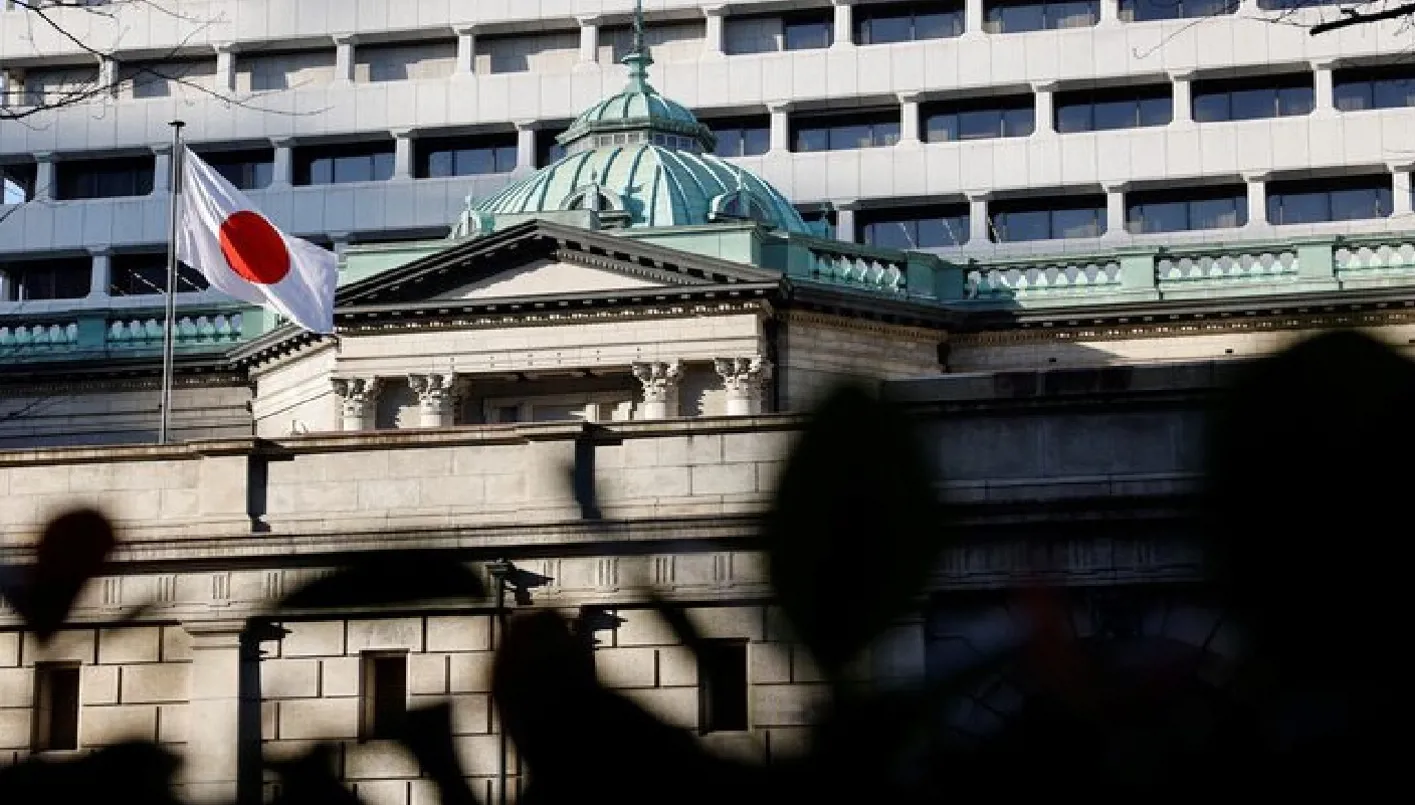
Bank raise Japan Central Interest rates Today, Tuesday, it reached the highest level in 31 years, in another major step towards restoring Monetary policy To its normal course, as part of its focus on curbing price pressures resulting from the energy crisis caused by the war Iran.
This increase is the first since December, and brings the Bank of Japan in line with other central banks that are moving towards a more tightening anti-inflation policy, such as European Central Bank.
In a move that was widely expected, he decided Bank of Japan The short-term interest rate was raised from 0.75% to 1%, raising borrowing costs to levels not seen in the country since 1995.
In a statement announcing the decision, the Bank of Japan said there was a risk that the economy would deteriorate sharply as a result of a conflict The Middle East It has diminished thanks to government measures aimed at reducing the burden of rising costs Fuel on families, and progress made in providing alternative energy supplies.
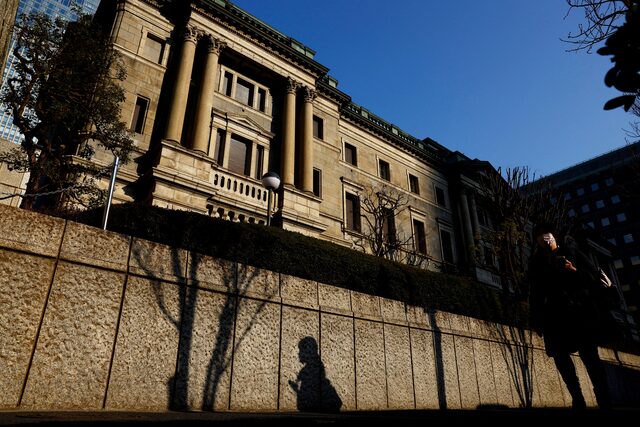
Bank of Japan in Tokyo (Reuters)
He added that, on the other hand, price expectations called for attention, as it was observed that companies were transmitting higher costs Oil to each other “at a relatively rapid pace,” which could lead to higher consumer prices for a wide range of goods.
The Bank of Japan said: “Taking into account the expectations… Inflation In the medium and long term, it also continues to rise, and there is a risk that core inflation will deviate beyond our price target.”
The decision was taken by a majority of seven votes to one vote of rejection. Governor Kazuo Ueda was absent from the meeting and did not cast his vote because he was undergoing two weeks of treatment in a hospital.
The yen rose 0.1% to 160.215 against the dollar.
The conflict in the Middle East complicated the Bank of Japan’s policy path by increasing inflationary pressures as a result of rising oil costs, which harmed the economy, which relies heavily on imported fuel.