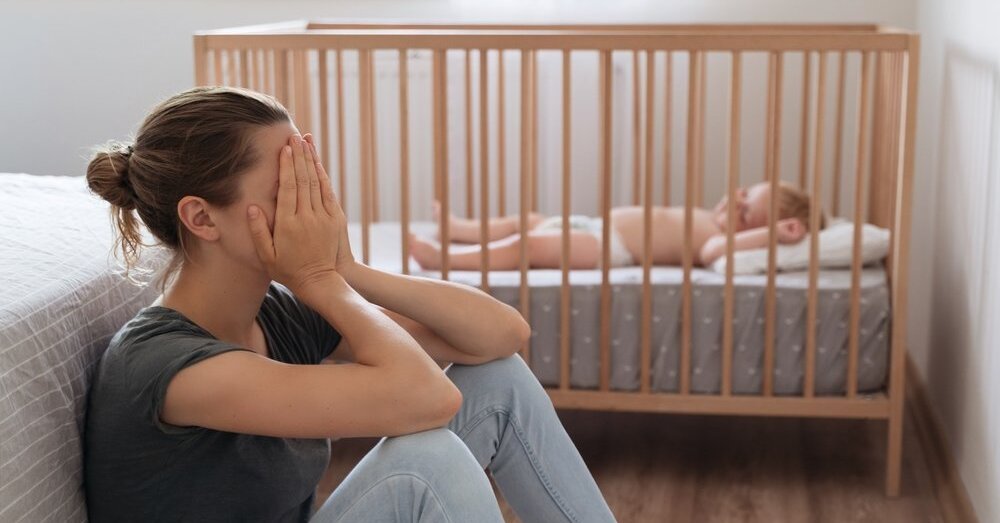
Although emotional swings are common after giving birth, sometimes sadness, anxiety and exhaustion can also be signs of postpartum depression.
Specialists explained how postpartum melancholy differs from depression, how lack of sleep and hormonal changes affect well-being, advised how a woman can help herself, and revealed why the support and reaction of loved ones during this period is extremely important, according to BENU’s press release.
Just sadness, or maybe a signal to seek help?
“When counseling women who have recently given birth at the pharmacy, we sometimes have to hear not only questions about physical health, but also hints about emotional difficulties. Most often, women complain of constant fatigue, sleep disorders, increased anxiety and difficulty relaxing even when there is an opportunity to rest. They often mention irritability, frequent crying, emotional sensitivity or doubts about their abilities as mothers,” says pharmacist Diana Saltanavičienė.
According to her, such complaints do not always mean postpartum depression, but can be a signal that a woman needs more support and attention to her emotional well-being. Therefore, it is important to talk about these difficulties openly and, if necessary, to encourage them to go to health care professionals.

Shutterstock photo/Postpartum depression
Agata Jurolaitė-Mažeikienė, an existential analytical psychotherapist at the Vilnius Family Psychology Center and a mother of five children, notes that physical and emotional fatigue after childbirth is very familiar to many mothers. This is called mild depression or maternity blues.
“This state usually begins a few days after childbirth and can last for about two weeks. However, if the symptoms last longer, if they become more complicated, for example, anxiety, intrusive thoughts, feelings of guilt, insomnia, lack of motivation, irritability, reluctance to communicate with friends or relatives appear, it is necessary to seek help,” says A. Jurolaitė-Mažeikienė.
It is important to take care not only of the baby, but also of yourself
After giving birth, a woman’s body undergoes major changes. According to D. Saltanavičienė, the concentration of hormones, especially estrogen and progesterone, drops sharply in the first weeks, which can affect mood, emotional sensitivity and the ability to cope with stress.
“At the same time, frequent awakenings at night and insufficient rest reduce the body’s resistance, increase irritability and anxiety. Constant fatigue can also intensify negative emotions and make it difficult to adapt to the new challenges of motherhood. Although this feeling is quite common in the first months after childbirth, it is important to monitor its intensity and duration,” says the pharmacist.
According to A. Jurolaitė-Mažeikienė, after becoming a mother it is important to accept this new role and allow yourself to simply “be” with everything that this role brings: tears of joy, hours of confusion and even fear.
“After the birth of a child, it is difficult to find time and energy for those things that made me happy before – trips, meetings with friends, quiet afternoons with a book. After becoming a mother, you have to learn the ‘art of small steps’, when small moments of respite become precious, and in order to properly take care of the child, you also need to take care of yourself,” says A. Jurolaitė-Mažeikienė.
Shutterstock photo/Mother sleeps with baby
What are the signs that help is needed?
However, according to D. Saltanavičienė, there are signs that indicate that a woman needs professional help. Such signs include persistent sadness, feelings of hopelessness, severe anxiety, frequent crying, severe irritability, or loss of interest in previously enjoyable activities.
“It is also important to pay attention to significant changes in sleep or appetite, difficulty concentrating, a constant feeling of guilt or inferiority. Situations when it becomes difficult for a woman to take care of herself or the baby, she avoids the help of relatives or feels emotionally detached from her child should also cause concern. It is especially important to seek help immediately if thoughts of self-harm, suicide or injury to the baby arise,” says D. Saltanavičienė.
The role of the family is to notice, hear and help
A. Jurolaitė-Mažeikienė adds that relatives also play a very important role, because family members are often the first to notice that a woman is changing. According to the psychotherapist, the family can be a woman’s main pillar during postpartum depression. It is important not to condemn or blame her, but to accept, listen and offer real help when it is most needed.
“Practical help is also very significant: taking over part of the household chores, taking care of the baby so that the mother can rest. Often the woman herself does not ask for help, so relatives could offer specific ways to make her everyday life easier,” says A. Jurolaitė-Mažeikienė.
After childbirth, it is important to restore the body’s reserves
According to D. Saltanavičienė, after giving birth, the most important thing is to ensure full nutrition, sufficient rest and to restore the reserves of nutrients depleted during pregnancy and childbirth. B vitamins, vitamin D, iron, magnesium and Omega-3 fatty acids are important for emotional well-being, as their deficiency can be associated with increased fatigue, lower mood or decreased energy.
Shutterstock photo/Mother with child
“Special attention should be paid to iron reserves, especially if a lot of blood was lost during childbirth, because iron deficiency can manifest itself in weakness, exhaustion and concentration difficulties. During breastfeeding, it is important to choose preparations that are suitable for use by nursing women and not to exceed the recommended doses. It should also be remembered that nutritional supplements cannot replace full-fledged nutrition or professional help if a woman is facing significant emotional difficulties,” says D. Saltanavičienė.