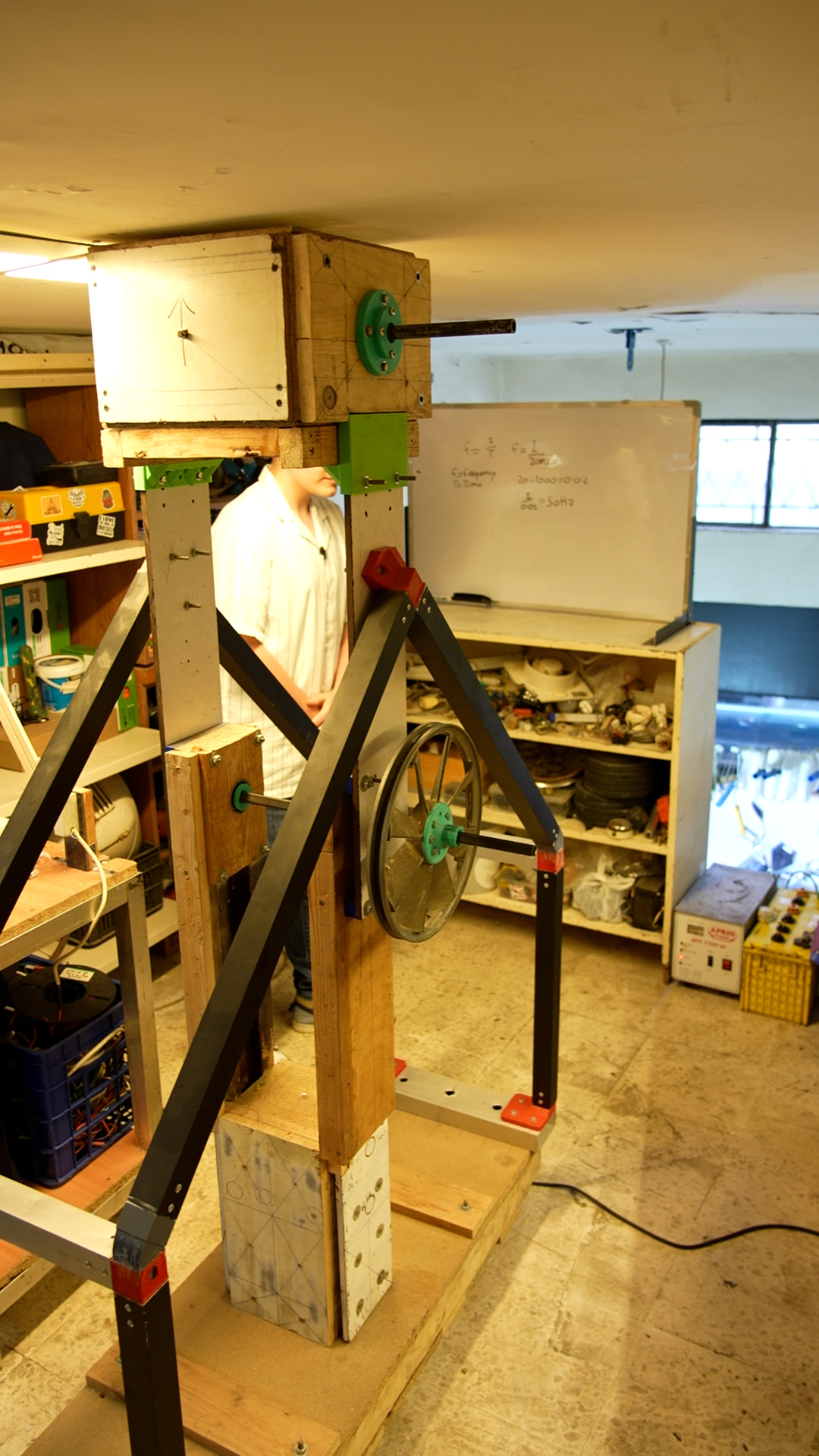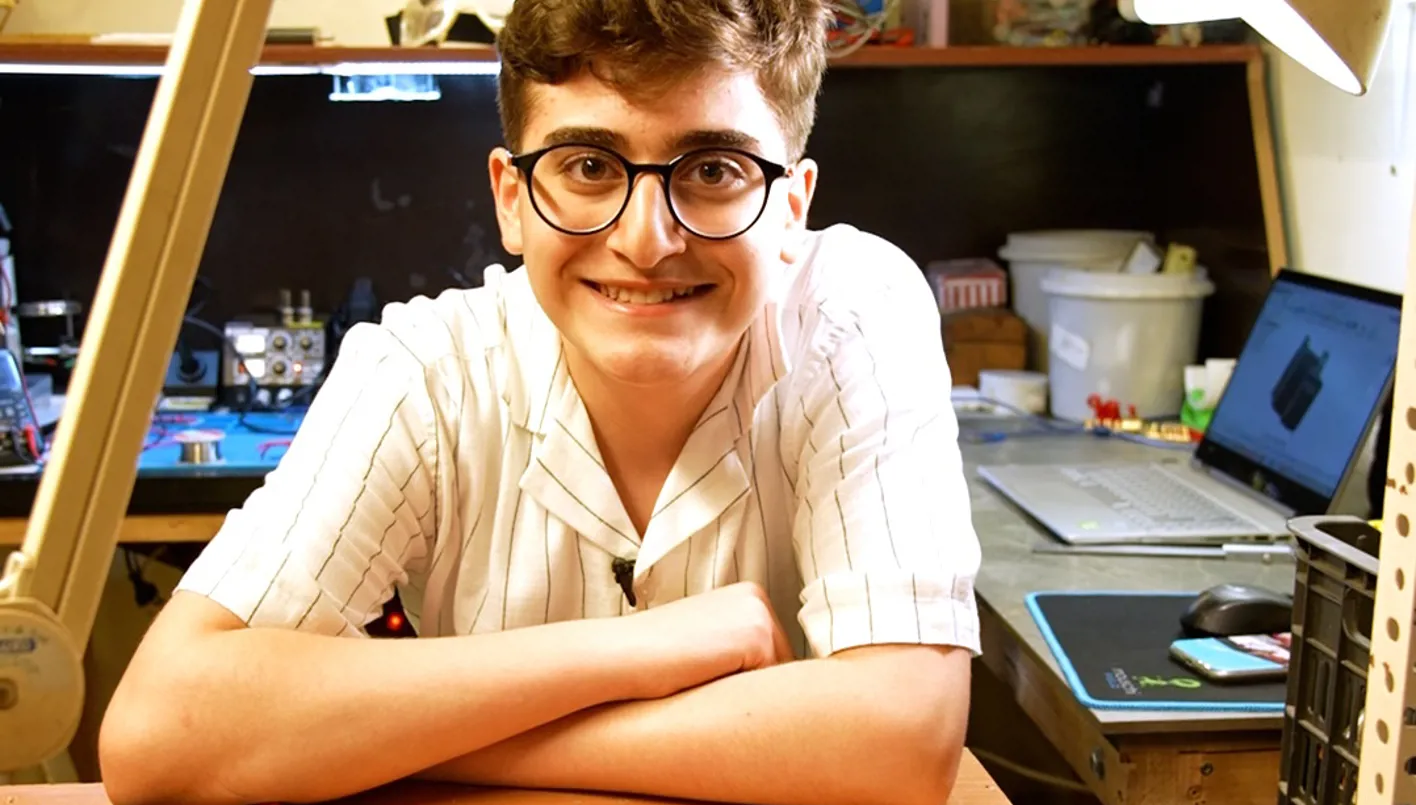
In a small corner above an electronics store in Beirut’s Zidaniyah neighborhood, a twelve-year-old boy was carrying used planks of wood and carefully measuring them. He wasn’t setting up a playroom or a space to spend time, but rather building his own laboratory. At that time, many people in that place saw nothing but a neglected “takhita” full of garages, but Khaled Itani saw something completely different: a space that could be transformed into a factory of ideas.
Today, after only two years, Khaled, who is fourteen years old, stands among electronic wires, small motors, and prototypes of his inventions, well deserving of the title of one of the youngest inventors in the world. Lebanon.
Lego game
Khaled’s story did not begin in a laboratory or university, but rather with the game “Lego”. He was seven years old when he began collecting pieces and reassembling them in a way that was far beyond his age. His goal was not just to play, but to understand how things worked. Little by little, he moved from Lego to simple motors, where he tried his first real experiment when he connected a small battery to a motor and the propeller rotated in front of him. It was a simple moment, but it marked the first turning point in his passion for electronics.
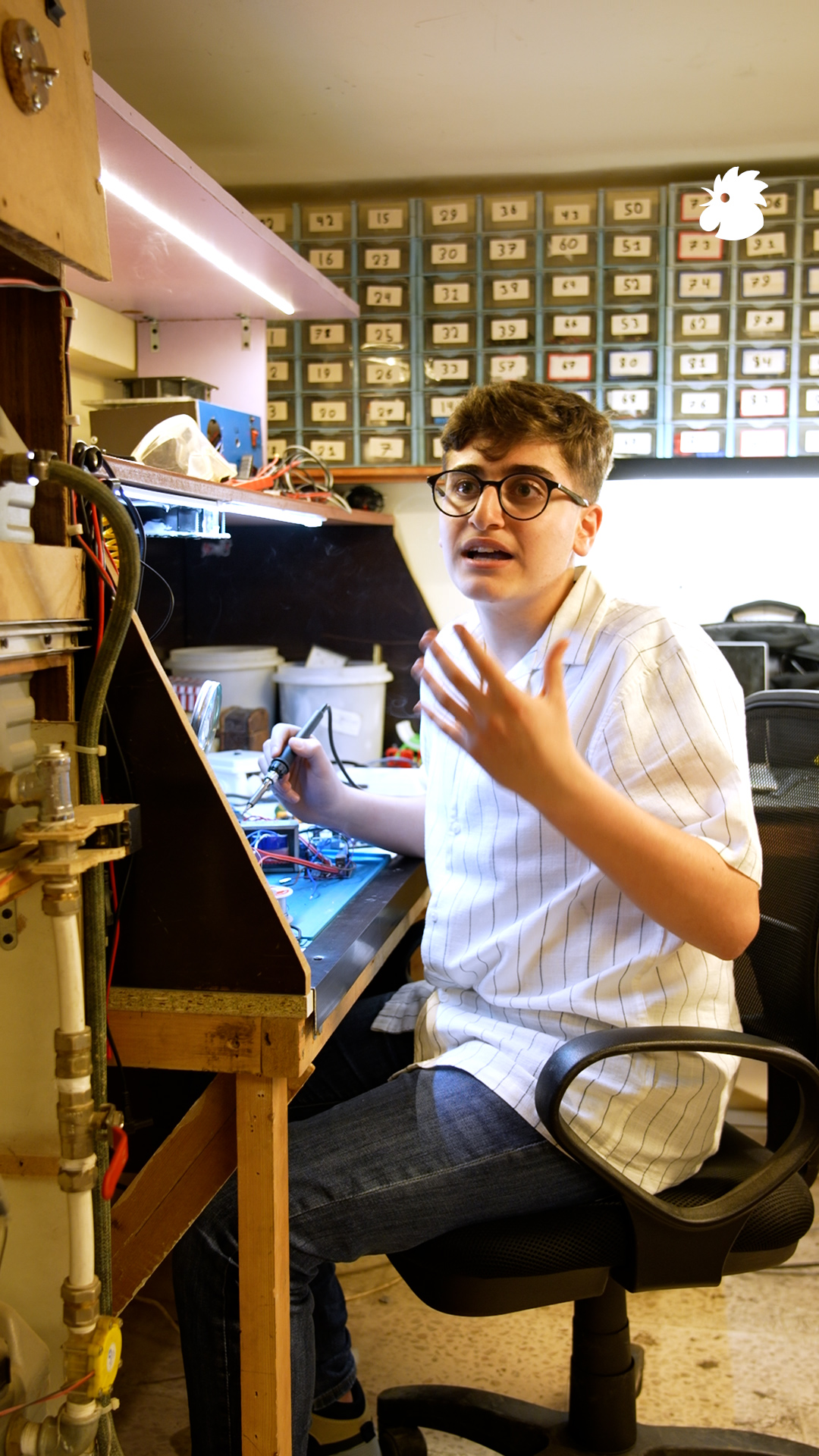
Family support was essential in his journey. His father, an engine mechanic, encouraged him to invest in his curiosity rather than curb it. When Khaled asked to use the empty space above the electronics store, his father agreed, and the place was transformed into a small laboratory that he designed entirely himself: tables, drawers, distribution of tools, and every small detail that reflects his way of thinking.
But the actual beginning in the world of invention came with the “Alex” robot, whose idea was inspired by his neighbor with special needs. Khaled wanted to create something that would help him in the details of his daily life, so this experience was the first real step towards an invention that had a human dimension. This project was not just a technical experiment, but rather a transition point that made him see that technology could be a means of assistance to people, not just tools and experiments.
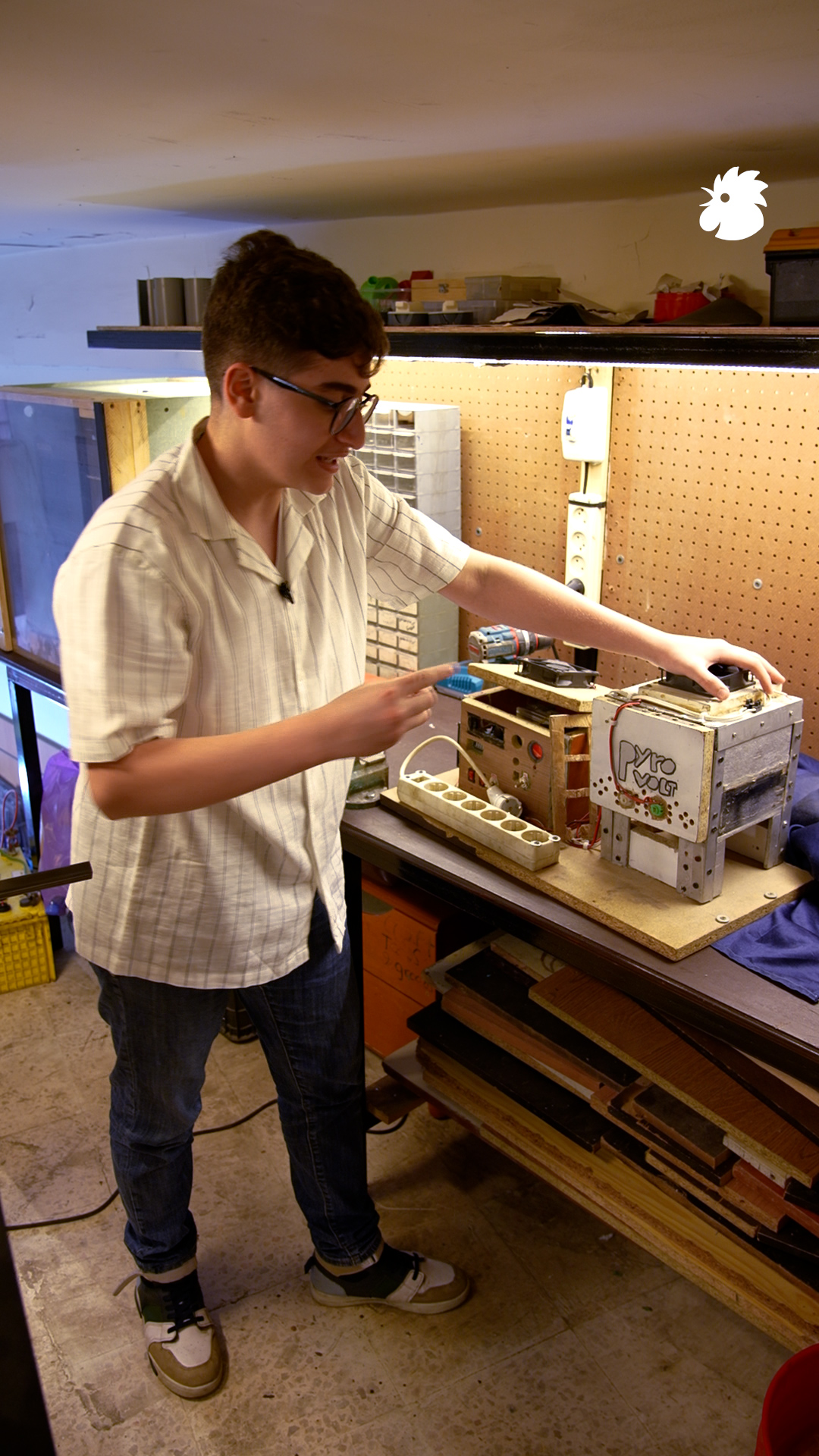
After “Alex”, Khaled’s projects began to expand. He came up with the idea of “PyroVolt”, a device that generates electricity from the heat generated by wax by converting thermal energy into electrical energy using electronic circuits and programming that he designed himself.
The project required long experiments and repeated modifications until it reached a successful model.
This invention participated in the Science Fair at the Lebanese University, where it won an award that distinguished itself among more than two hundred projects, placing Khaled’s name among the emerging scientific talents at a very young age.
And he didn’t stop there. His second project, “AquaVolt,” is based on generating electricity from water, and it has succeeded in its initial experiments. Today, he is working on developing it by enlarging the tanks and improving the system to increase efficiency and raise the amount of production in the future.
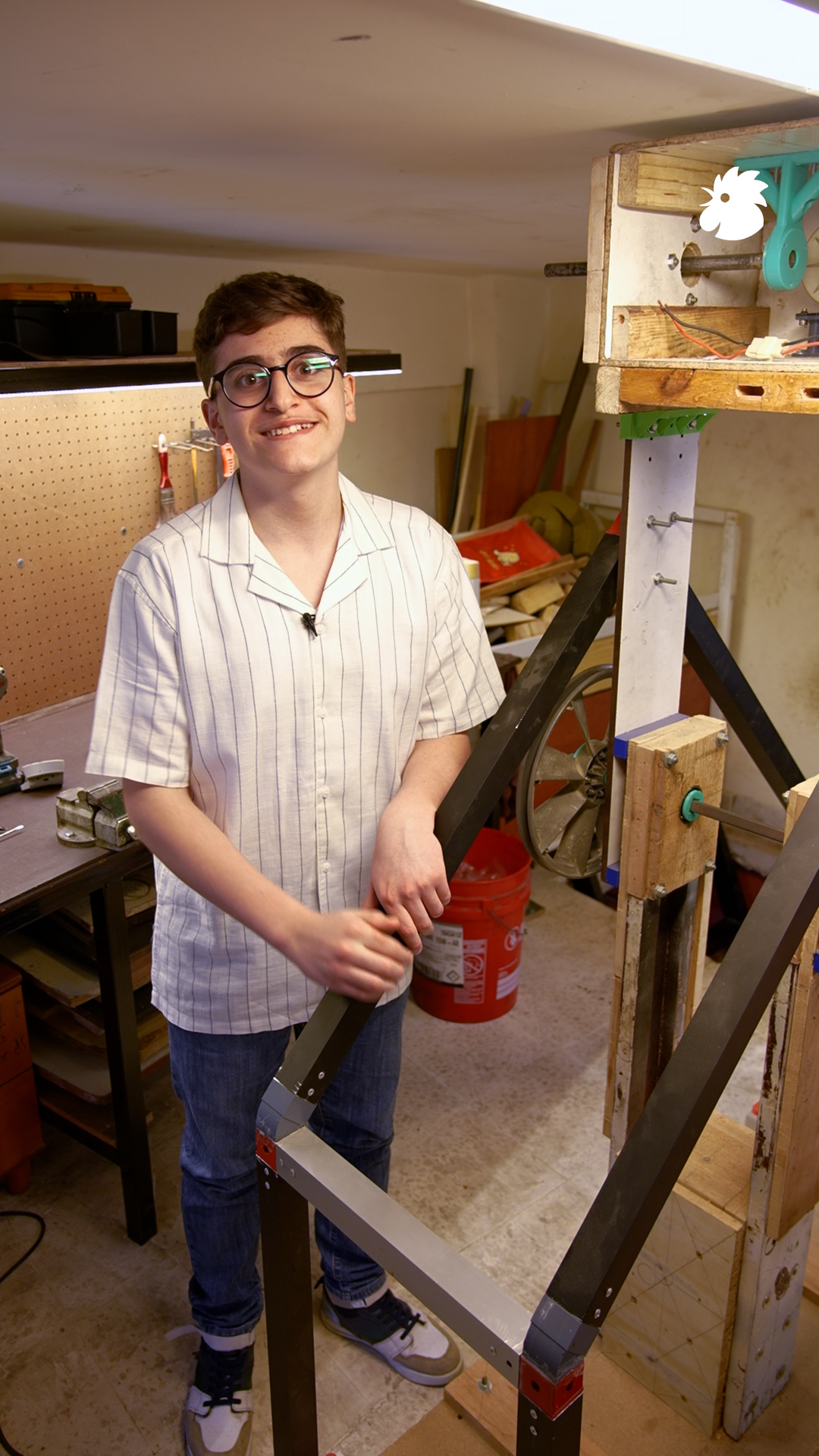
In addition, he devotes part of his time to repairing electronic parts and devices that customers bring to the electronics store, where he restarts them and repairs them, which gave him additional practical experience, and also helped him finance some of his projects in a small way.
Speaking to Al-Nahar, Khaled says that everything in his laboratory carries a special meaning, adding in a phrase that sums up his world: “All the pieces in the laboratory are my true friends.” A simple sentence, but it reveals a different relationship between a boy and his tools, a relationship that extends from work to belonging.
Today, Khaled is working on a new project called “GravityVolt,” which is still under development and experimentation. He has preferred not to reveal its details currently until it is completed, only referring to it as a “masterpiece” that he is working on silently and meticulously, amid ambitions that do not stop at the limits of his age.
Amid the pressure of the circumstances in the country, Khaled is waiting for the situation to calm down so that he can return to participating in scientific exhibitions and competitions, where he hopes to present his innovations to a wider audience and continue his journey with invention.
When asked about his dream, he does not hesitate: “I want to be like Nikola Tesla…or maybe more.” The dream may seem big, but whoever sees his humble laboratory in Zaidaniyah realizes that the small beginning may lead to a much longer road than it seems.