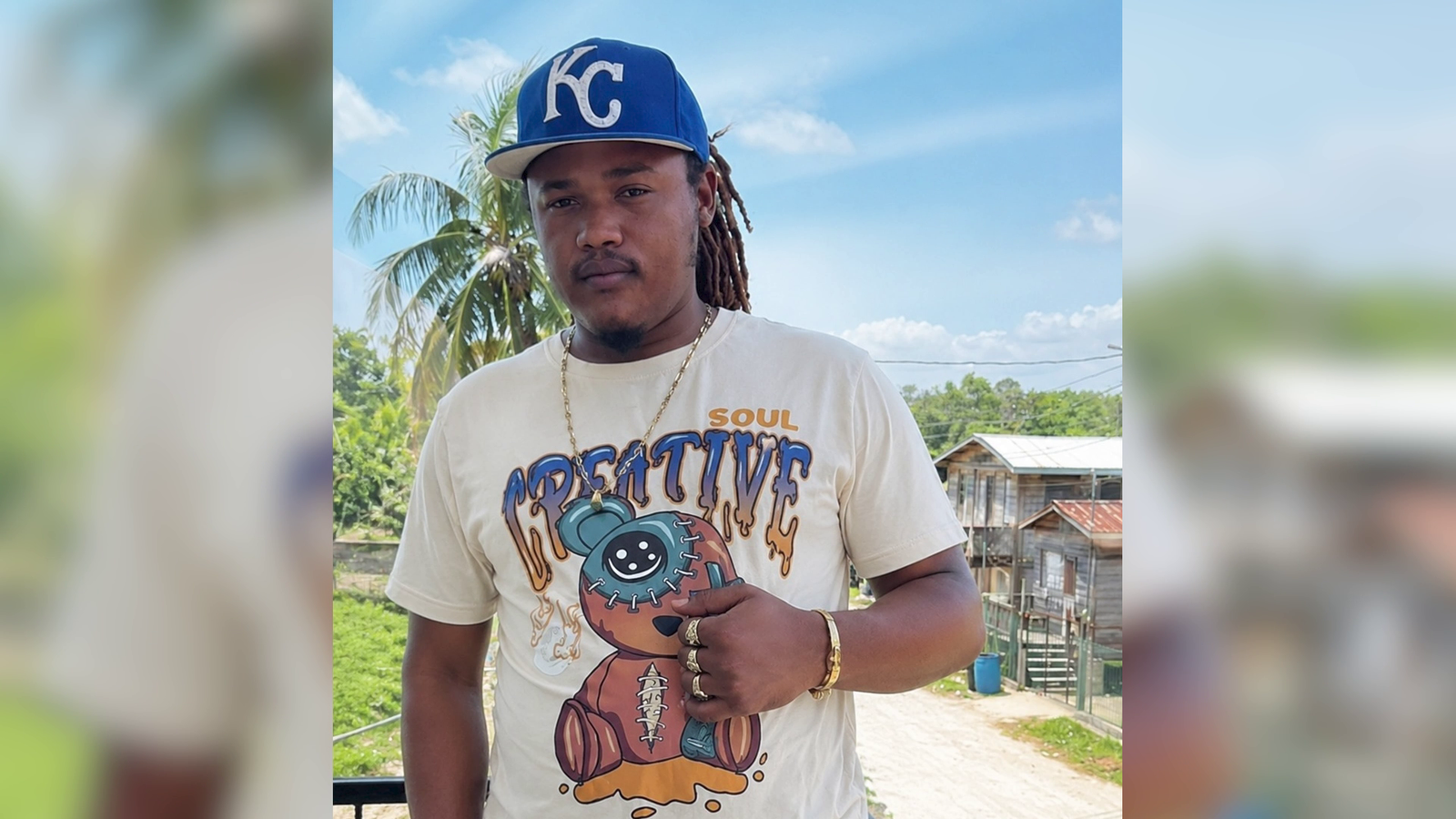
Four killings in one weekend, it was a bloody weekend across the country. We begin tonight’s newscast with the murder of twenty-nine-year-old Kiffer Mckenzie in downtown Belize City. It was broad daylight when gunfire disrupted busy Albert Street, leaving a community shaken. Kiffer McKenzie was inside his parked vehicle near the Belize Bank, with his young children beside him, when a gunman opened fire. In a desperate attempt to escape, McKenzie sped away but crashed moments later, ultimately succumbing to his injuries. His killing has reignited difficult conversations about family legacy, community stigma, and the cycle of violence that has long affected his family. But beyond the headlines, those who knew McKenzie describe a man who was working to build a better life for himself and his children. News Five’s Paul Lopez reports.
 Paul Lopez, Reporting
It was chaos in the heart of Belize City on Saturday morning, as gunfire shattered the calm along busy Albert Street. Twenty-nine-year-old Kiffer McKenzie was sitting in his parked vehicle near Belize Bank with his three- and six-year-old children when a gunman opened fire. In a desperate attempt to escape, McKenzie sped off up Albert Street, but his vehicle slammed into a parked car just moments later, bringing the frightening ordeal to a tragic end. Police believe the shooter was on a motorcycle. One suspect has been detained.

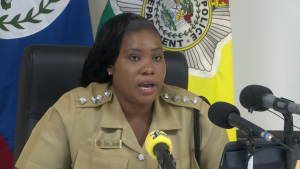
Stacy Smith
Stacy Smith, Staff Officer
“Through the use of the technology at the crime fusion center the investigators were able to trace the motorcycle that was used in the incident as well as the helmet shortly after the incident occurred. These items were processed by scenes of crime technicians who were able to lift fingerprints from both the motorcycle and the helmet and they have also secured the helmet with a view to conducting further processing for DNA purposes.”
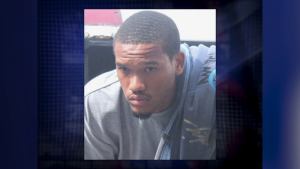
George McKenzie Junior
McKenzie’s killing has reignited tough conversations about legacy, environment, and the weight of history. A resident of Majestic Alley, he was the son of former gang figure George “Junie Balls” McKenzie, who was killed in 2007. The violence has haunted the family for years; less than a decade later, in 2016, his brother, George McKenzie Junior, was also gunned down. Even earlier, in 2015, their mother, Melissa Major, made a public appeal for help after her son received death threats, underscoring a cycle of violence that those close to McKenzie say he was trying hard to break while rebuilding his life.
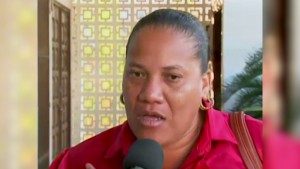
Melissa Major
Melissa Major, Mother of Deceased (File: Jan 12th, 2015)
“Police well know that my son noh di do nothing and di give no trouble. I di cry out to them to help my son. Recently last week, I di call Broaster; I di call Mister Grinage. The last person I spoke to was Mister Grinage on Tuesday evening before I left [work], telling him about the death threats my son is getting going to Wesley [Junior] College; that they will kill him at school.”
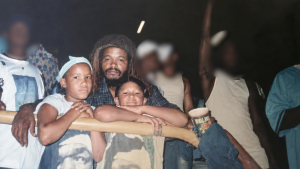 Nine years later, Melisa Major is grieving the murder of her last child, Kiffer McKenzie. A close relative of the family told News Five off camera that Kiffer was not known to be a troublemaker.
 Voice of: Relative of Deceased
“If unu the watch the news and anything you would not have any murder charge and things like that. I feel like his dad made them paint him bad because he is Junie Balls’ son. So, nine years after they kill his father they killed his brother, nine years after they killed him. Dah just where you come from they label you. You come out of a hood, you come out of Majestic, so that is how people paint you, because you are from a hood, all though you are not carrying out bad measures or simpleness that people are doing.”
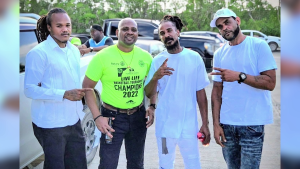 For Youth Program Coordinator Douglas Hyde, the loss hits close to home. He’s known the McKenzie family for decades, dating back to his early work with George “Junie Balls” McKenzie in the mid-1990s, and in recent years, he worked directly with Kiffer through the William Dawson sports programs, watching him grow and stay actively involved in positive community efforts.
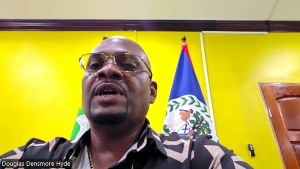
Douglas Hyde
Douglas Hyde, National Youth Program Coordinator, BPD
“When I got to know him, he was already going through school, he graduted from high school, sixth form and he wanted a job. And I could remember Kiffer talking to me over the past year saying I don’t just want an ordinary job. I want something that I can be looked up to and my kids can look up to me and when he was given the opportunity to work at immigration, that was one of his pride and joy.”
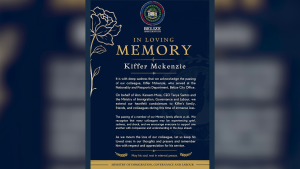 McKenzie was employed with the Immigration Department for the past four years. The department acknowledged his contributions in a statement, and according to Acting Director of the Leadership Intervention Unit, Andrew Dawson, the program was about to bring him on as a coordinator.
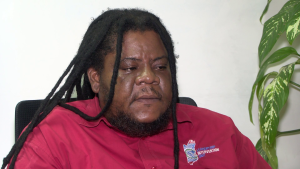
Andrew Dawson
Andrew Dawson, Acting Director, Leadership Intervention Unit.
“Kiffer was one of the persons we discussed to bring him onboard as one of the coordinators as we know he transitioned into a more productive life. He was employed in the immigration department. he was very instrumental as it relates to sports and peace through sports.”
As police continue to search for answers, Kiffer McKenzie’s killing adds yet another painful chapter to a family story marked by loss, while loved ones hold onto the memory of a man who was trying to rise above it. Reporting for News Five, I am Paul Lopez
Attention readers: This online newscast is a direct transcript of our evening television broadcast. When speakers use Kriol, we have carefully rendered their words using a standard spelling system.
Watch the full newscast here: