Salmonella spp. is one of the most common foodborne bacteria in the world, and its adaptability allows it to take up residence where we least expect it.
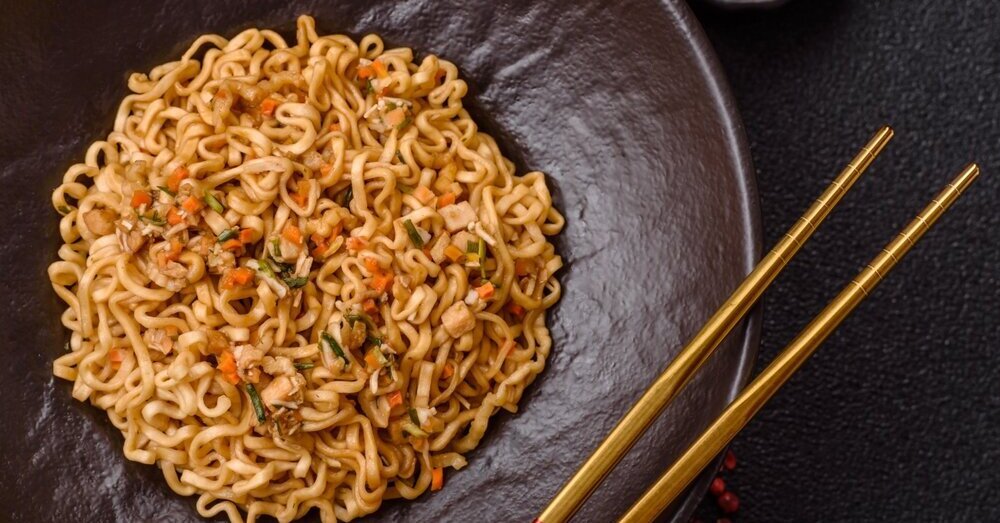
It is reported that during the market control, after the investigation of VMVT instant pasta samplessalmonella bacteria were found in one of them.
Read more: Another product is being recalled: salmonella bacteria was detected
Dangerous because it is invisible and tasteless
One of the biggest challenges is that salmonella has neither a specific smell nor taste. Contaminated food usually looks perfectly normal, fresh and ready to eat. Even dry products such as spices or nuts are not completely safe, the press release said.
Although bacteria need moisture to reproduce, they can remain viable for a long time in a dry medium (so to speak, “sleeping”), and when they receive at least a little moisture and the right temperature, they can suddenly become active.
“In recent years, in Lithuania, as in other European and world countries, salmonellosis is usually spread through eggs, chicken and their products. The State Food and Veterinary Service (VMVT) carries out consistent Salmonella Enteritidis and Salmonella Typhimurium species of bacteria in poultry farms, but this is only one part of the fight against this pathogen. Strict supervision needs to be applied to the entire food chain, because the risk of detecting salmonella exists even in those products that have nothing to do with poultry, such as fresh vegetables, nuts or spices,” say VMVT specialists.
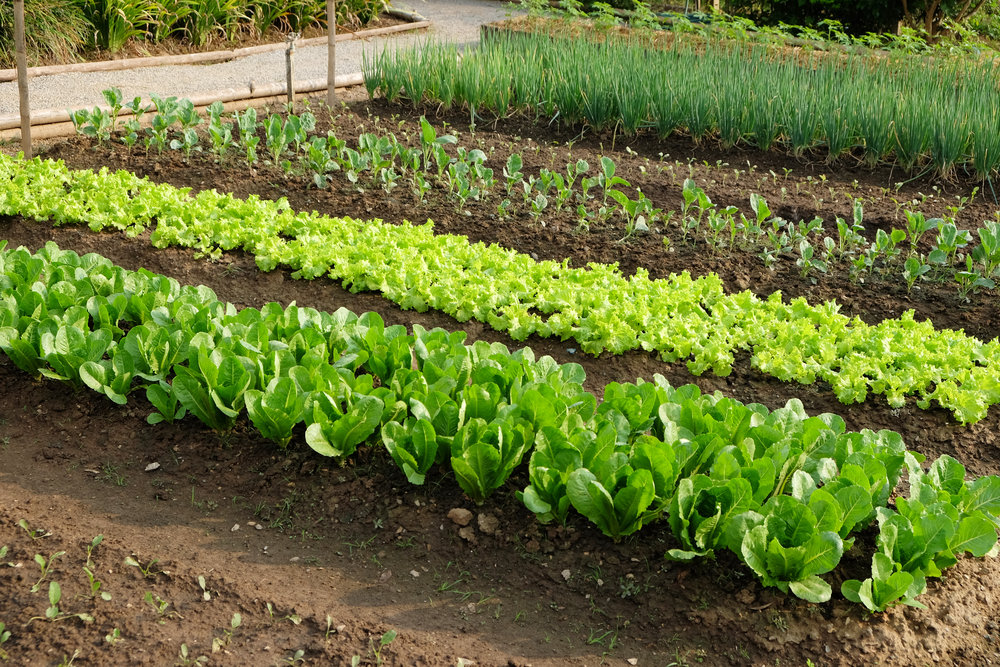
Shutterstock photo/Garden
Hazards from soil and water
We’re used to thinking that vegetables are a “safe” choice, but salmonella can enter them while they’re still growing. The main risk factors are:
- Contaminated water: if water is used for irrigation that has been contaminated with farm sewage.
- Improper fertilization: using raw or too briefly fermented animal manure.
- Wildlife: Rodents, wild birds or insects can transfer the bacteria directly to ripening berries, fruit or lettuce leaves. These bacteria naturally live in the intestines of many animals, so they enter the environment with their feces, and from there – into the soil or water.
Processing, transport, storage: where do mistakes happen?
Cross contamination. In processing plants or home kitchens, salmonella can spread through unclean tools, conveyors, or workers’ hands. If the same knife is used to cut raw meat and then uncooked vegetables, the chance of infection becomes enormous.
Temperature mode. It is especially important to maintain an uninterrupted “cold chain” during transportation. A warmer environment is an ideal incubator for salmonella to multiply. Additionally, dirty shipping boxes or containers pose an additional risk if they are not properly disinfected after each load.
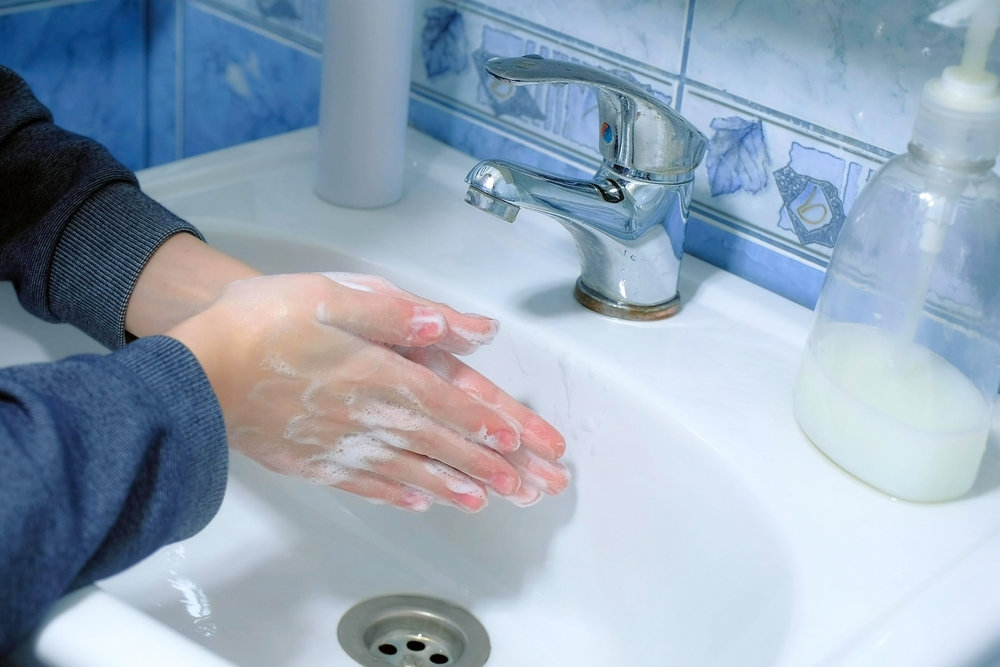
Shutterstock photo/ Hand hygiene
VMVT recommends how to protect yourself and your family
You can reduce the risk of infection by following these 5 golden rules:
- Hand hygiene: wash your hands not only before eating, but also every time you touch raw meat or unwashed vegetables.
- Product separation: use different cutting boards for meat and vegetables or bread. In the refrigerator, store raw meat on the lower shelves so that its liquid does not accidentally drip onto other products.
- Heat treatment: heat is the biggest enemy of salmonella. Make sure the meat and eggs are cooked or cooked all the way through (recommended internal temperature of at least 75°C).
- Thorough washing: wash all vegetables, fruits and berries under running water, even if you intend to peel them.
- Cleanliness in the kitchen: regularly and frequently disinfect sponges, cloths and kitchen surfaces.
Salmonella spp. do not choose only one product group. This is a widespread bacterium, so our vigilance must also be comprehensive, from the shopping cart to the table.