What does it take for the players to rise above themselves and become a team at the highest heights of football, where the self becomes more and more important? If you ask the coach in Germany, who has already created such a “we” this season, he answers: a shared history.
If you want to understand the narrative that the protagonists of the German national football team before, but especially after, the first
game of the world championship, after the 7:1 win against Curaçaohave spread, if you want to recognize the possibilities, but above all the limits, then you should briefly think about the story of FC Bayern Munich remember.
As the coach Vincent Kompany Last December, while sitting in the stadium in Munich and talking about what made his team at FC Bayern special, he talked about a fire. In his first season, he said, it was “the story of Harry Kane and Eric Dier” that ignited this fire in the team, because suddenly everyone felt responsible for both the attacker Kane and the defender Dier, aged 31 at the time, finally winning the first title of their careers.
In his second season it was “the story of Itō, Phonzie and Jamal”, i.e. that of Hiroki Itō, Alphonso Davies and Jamal Musiala, players who had suffered injuries, fallen down in front of their teammates and got up again. Sure, you could and can think of it as kitsch, a trick from a coach who perhaps understood the game with the media better than anyone else. But there is also a lesson to be learned from Kompany’s story: that it is the narrator who matters.
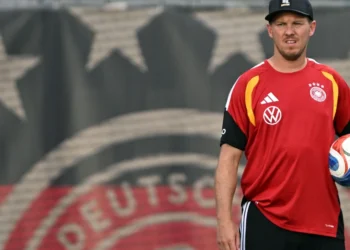
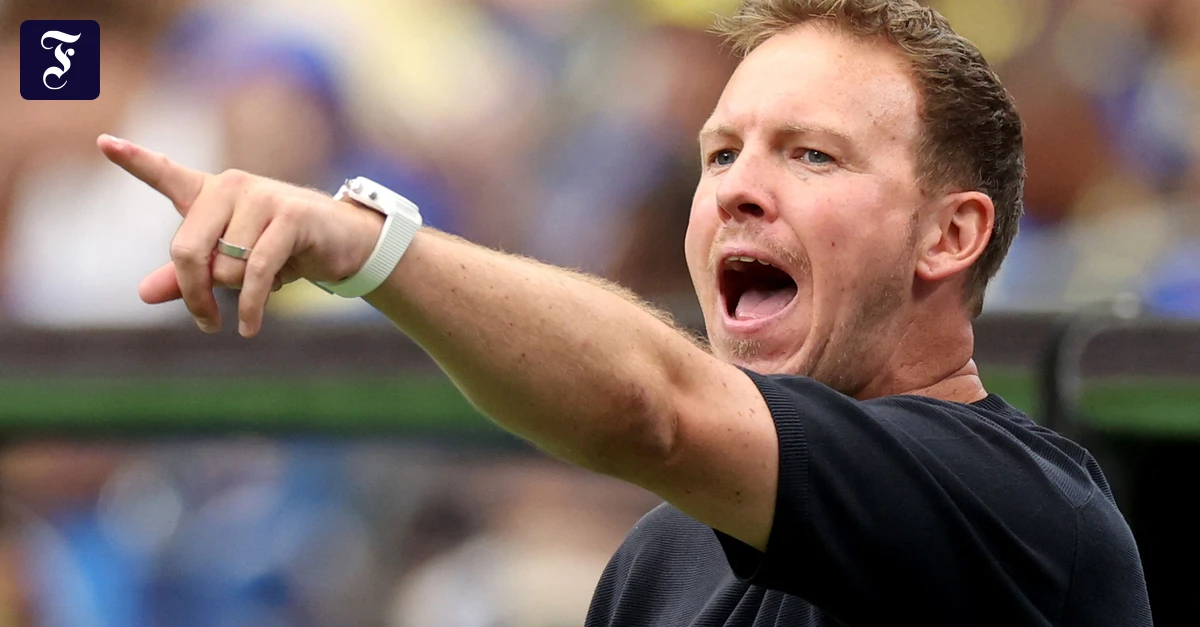
When Julian Nagelsmann appeared in the stadium on Sunday Houston sits and talks about what makes his team special, he tells the story of Antonio Rüdiger and Waldemar Anton. And of the many stories he has told in his almost 1,000 days as national coach, this is one of the better ones.

In Germany’s first World Cup game, Nagelsmann only substituted central defenders Rüdiger and Anton in the second half. But the story he is now telling happened in the 38th minute, when central defender Nico Schlotterbeck headed the ball into the goal to make it 2-1 for Germany. That was an important goal because at that point the score was 1-1 between number nine and number 82 in the world rankings. What was almost as important from the national coach’s point of view: how the bench players Rüdiger and Anton reacted to this goal.
In the press conference he said: “How they approach him, how they push him, even though he’s somehow also the competitor. That’s the most important thing, I think. That they have a very good spirit together and enjoy playing football together. That’s the key. The most important thing is that we keep it that way.”
Using Kompany’s words, you could also say it like this: At this moment, Julian Nagelsmann is talking about a fire that has been lit.
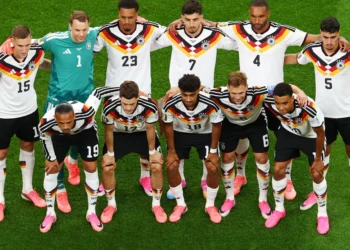
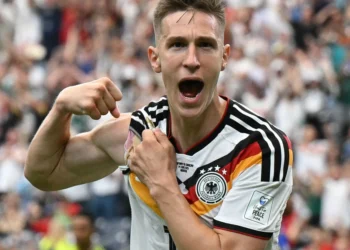
On Sunday, this fire got a little bigger, goal by goal by goal. With Felix Nmecha’s 1-0 win. With Nico Schlotterbeck’s 2-1 win. With Kai Havertz’s 3-1 (penalty kick). With Jamal Musiala’s 4-1. With Nathaniel Brown’s 5:1. With Deniz Undav’s 6:1. With Havertz’s 7:1. These are all players with their own stories in the national team. And perhaps the common story of this German team lies in this diversity: that these many small ones become one big one in this tournament.
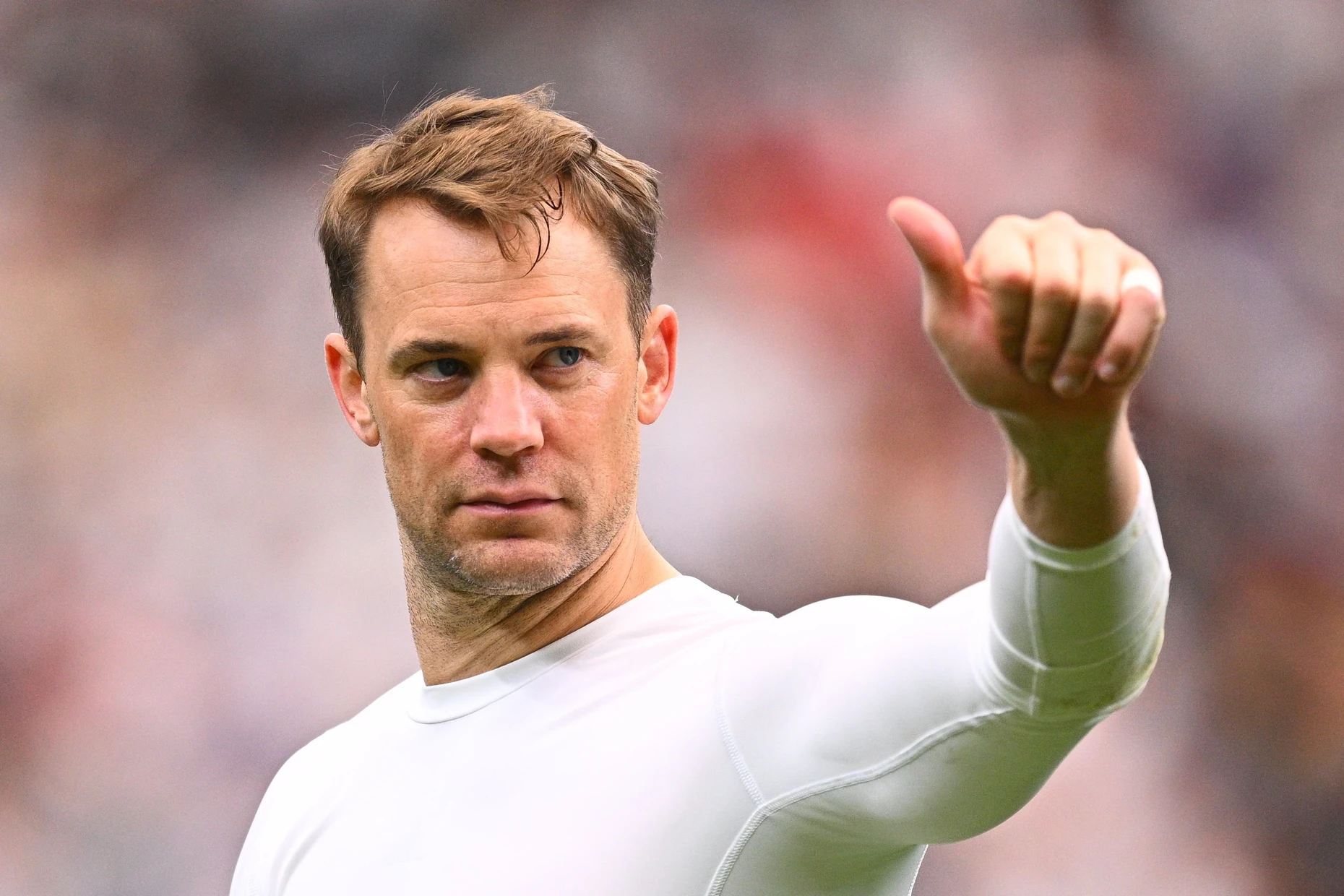
As Julian Nagelsmann sits on the press podium in the stadium in Houston, Manuel Neuer stands a few aisles away on a press podium and connects the old stories with the new. The German goalkeeper talks about the 2014 World Cup, about the first group game against Portugal, with which he was “not 100 percent” satisfied because “a lot went for us,” such as the red card against Pepe, the Portuguese’s most important defender. And even when Neuer, the last world champion in the team, says that he doesn’t want to compare 2026 with 2014, that a 7-1 against Curaçao is not a 7-1 against Brazil, the compliments pour out of him.
“I believe,” he says, “that we have every opportunity with this team, that the team brings a lot of energy, that we have a certain cohesion, which is also needed for this tournament. And that if you have a few setbacks, you have to overcome them together as a team. We have the right characters for that.”
It depends on the narrator. And in the stadium in Houston, Neuer says for the first time, since Nagelsmann made him number one in the national team again. He says how “incredibly proud” and “overjoyed” he is about it, he even says that he is approaching this tournament and looking forward to it “as if it were the first World Cup.” Would someone new, a world champion, say this who doesn’t believe in our shared history?
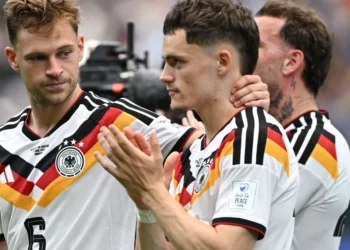
It’s not just Nagelsmann and Neuer who are spreading this narrative, it’s also Joshua Kimmich, the captain. He did that again and again long before the first World Cup game, for example in an interview with “Sports Illustrated”in which he talks in detail about how the mood in the national team has changed since the preliminary round exit in Qatar.
He says: “We’ve had some difficult years, which of course also had to do with the fact that we weren’t successful. In the last few months we haven’t played like stars, but it still feels different.” To what extent? “You’re sitting in the dressing room and there’s a team there. In the past, I had the feeling in some phases that one or the other was going to the national team and they only cared about themselves. At the moment I feel like it’s really important to each individual that we are successful as a team.”
But as much as you can feel the togetherness in the national team in this first week in the USA, the desire to achieve something together, you should also ask yourself whether the story of the community is also so popularly told because there is no other story of progress to tell? Since the last European Championship, since losing the quarter-final against Spain, the national team has developed little in terms of play. And who knows what the mood would have been like after the first World Cup game if the first opponents in the group had been Ivory Coast or Ecuador instead of Curaçao?
But because the opponent was Curaçao, the Germans can prepare for the upcoming games with a good feeling. Under Vincent Kompany, FC Bayern has shown how far you can go when everyone follows one idea, when the players become a team. No, the federal team cannot become a Bayern team in one summer. But after two seasons in Munich, another lesson can be learned that should also apply in America: A common story, no matter how good it is, will not be enough for great success.