SIX hundred and ninetyeight people have been charged under the provisions of the current state of emergency (SoE).
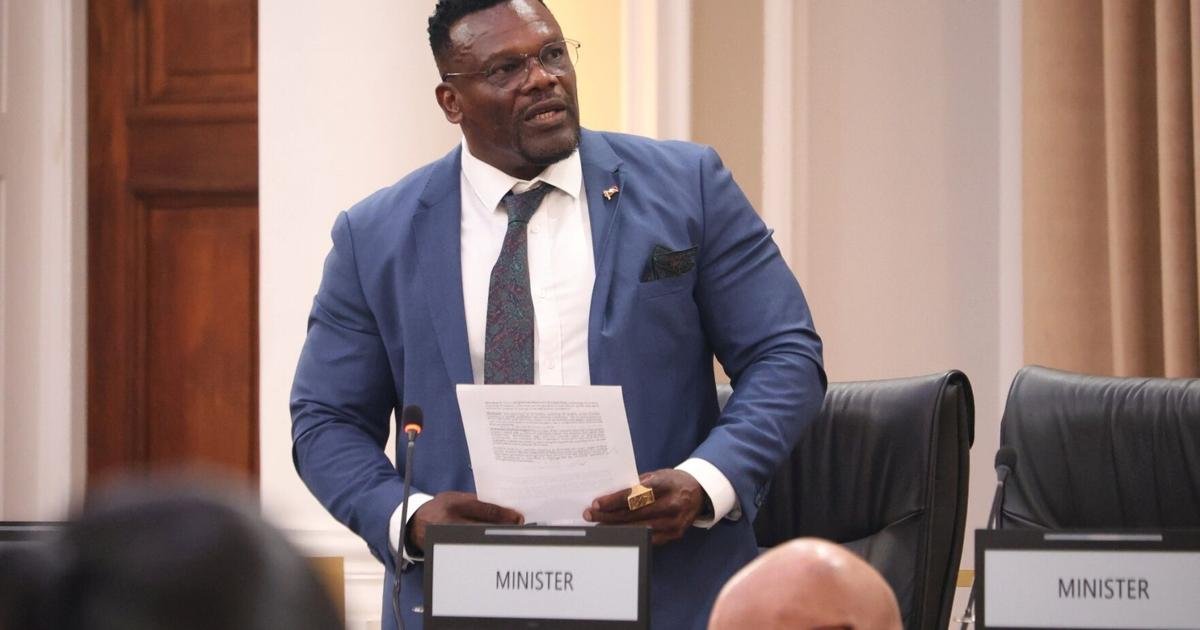
This according to Homeland Security Minis ter Roger Alexander during the debate to extend the SoE for a further three months in Parliament on Wednesday.
He presented statistics outlining the achievements since the implementation of the SoE, in response to Opposition members’ questions about what had been accomplished.
He noted there were 7,174 police-led operations; 3,211 persons arrested; 698 persons charged (as of Wednesday); 465 PDOs (preventive detention orders) approved; and 184 firearms removed from the nation’s streets.
The minister also defended the use of PDOs during the SoE.
‘That order is an executive or administrative directive that authorises the arrest, the confinement of an individual without a formal trial or conviction based on a belief that a person would be detained, or detaining that person is necessary to protect public safety or to prevent an imminent crime,’ Alexander said. He emphasised: ‘So it’s not like every time you’re going to get charged…. One of the duties of a police officer is to prevent crime, and that is exactly what is happening here. You’re preventing something from happening before it happens.’
He also addressed the reasons for implementing the SoE, saying the decision was based on intelligence reports from the Trinidad and Tobago Police Service, Defence Force, National Operations Centre, as well as intelligence gathered from local and foreign agencies.
‘So, Trinidad on their own, Mr Speaker, with the infiltration that we had, did not look at what we alone knew, but what others were telling us,’ he added.
Alexander criticised the former People’s National Movement (PNM) administration, saying he inherited a Ministry of Homeland Security in a state of national crisis.
Despite this, he said ‘the persons on the other side want us to address all the issues in one year, that they had for ten years, and they poisoned the system.
‘Sometimes I am looking at their behaviour, and I’m seeing the support for the criminal element, overwhelming support for the criminal element. Mr Speaker, murder, gang-related offences, illegal firearms.’
Alexander continued: ‘How did illegal firearms enter our country? Because some persons left the border exposed until now. We have Spanish nationals unregistered, persons from Cuba unregistered, persons from El Salvador unregistered, Mexico unregistered, because we failed to secure our borders. And they are asking now all these questions about firearms and what is happening.’
He warned: ‘This Government doesn’t intend, on no occasion, to allow the criminal elements to run free.’