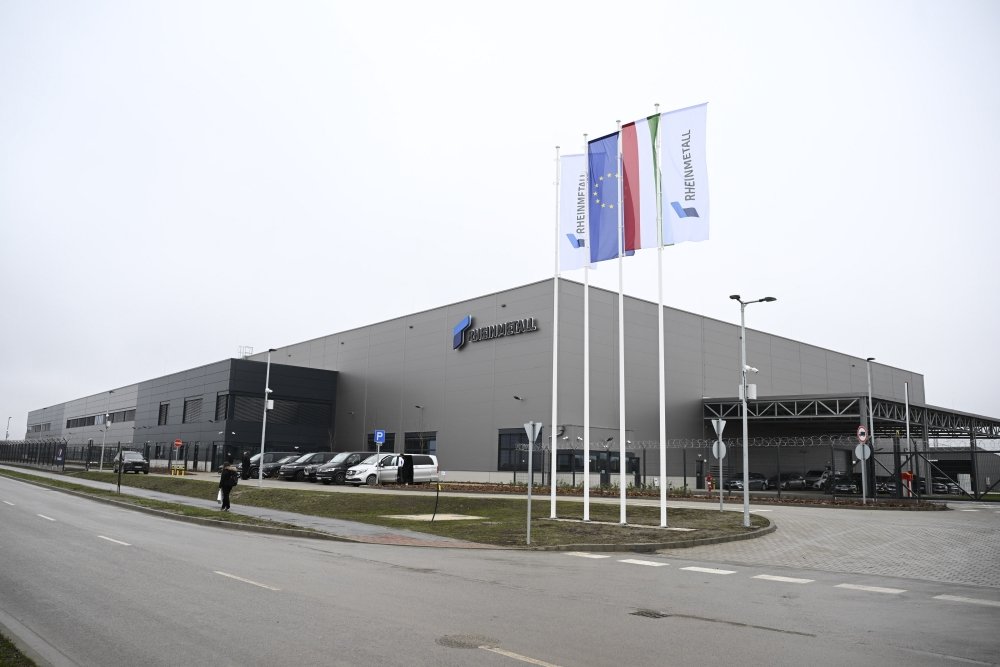

The Rheinmetall plant in Szeged
German defense contractor Rheinmetall is stepping up its focus on the defense sector. The Munich-based investment firm Aequita is acquiring the civilian “Power Systems” division for 350 million euros. This also affects the Hungarian plant in Szeged, which opened just six months ago.
Barely six months after its grand opening, the new Rheinmetall plant in the southeastern Hungarian city of Szeged is facing a turning point. As the Düsseldorf-based defense giant announced, the purchase agreement for the sale of the entire civilian Power Systems division to the Munich-based industrial group Aequita has been signed. The transaction is valued at 350 million euros.
A total of eight production sites are changing hands as part of the deal, including the Hungarian factory.
Aequita has committed to retaining the entire workforce. Worldwide, 6,250 employees are affected by the change in ownership. The job guarantee also applies to the Hungarian site, where, according to the original plans, more than 300 highly skilled jobs are to be created by 2030.
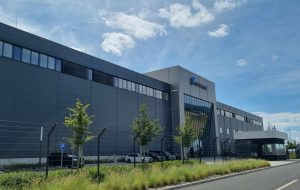
Rheinmetall’s plant in Zalaegerszeg. Photo: Hungary Today
Even though Rheinmetall is divesting the division, the Power Systems division is firmly established in the market. In 2025, the division generated revenue of two billion euros. The portfolio includes long-established and well-known automotive supplier brands such as Pierburg, Kolbenschmidt, and Motorservice.
From a Hungarian perspective, the deal raises questions about the future of the Szeged site. At its opening last December, the factory was presented as the group’s first “hybrid plant” outside Germany—conceived as a joint project between Power Systems (civil sector) and Electronic Solutions (military sector). The 84,000-square-meter site produces components for electric mobility, the hydrogen industry, and the energy sector, as well as for the defense industry. Rheinmetall has invested over 34 million euros in Szeged to date, and the total volume of the development program stands at 69 million euros.
Deal finalised: #Rheinmetall #divests its #civilian division and focuses on its #defence business https://t.co/P4kg7Fh9w8 pic.twitter.com/l603aBJzeP
— Rheinmetall (@RheinmetallAG) June 3, 2026
While civilian production will be taken over by Aequita, the military activities of the Electronic Solutions division will remain entirely within the Rheinmetall Group. For the Hungarian site, this means that the German defense contractor is expected to maintain a presence there, but will share the factory grounds with the new investor in the future.
The move comes as no surprise. Rheinmetall CEO Armin Papperger had previously signaled his intention to gradually withdraw from the lower-margin automotive supply market. In light of the changed geopolitical situation in Europe, ongoing rearmament, and increased NATO military spending, the group’s defense division has been posting record sales and profits for years.
The aim of the sale is to fully concentrate resources on the highly profitable defense and security business, where Rheinmetall sees long-term growth opportunities.
Despite the partial sale in Szeged, Hungary remains a strategic core market for Rheinmetall in the defense sector. The Group continues to operate major projects in the country, including the state-of-the-art infantry fighting vehicle plant in Zalaegerszeg (western Hungary) and initiatives for ammunition production.
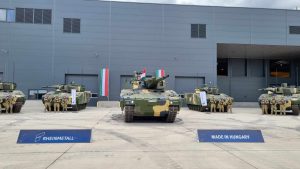
Lynx KF 41 Rheinmetall. Photo: Hungary Today
The transaction is expected to close in the fourth quarter of 2026. Until the necessary approvals from the competition authorities are received, operations at the Szeged plant and the other affected sites will continue unchanged.

Via rheinmetall.com; Featured image: MTI/Bodnár Boglárka