Executive Decree No. 10 of April 16 was in force for five days, which regulated the luxury selective public land transportation service through digital platforms.
Last Thursday, the decree that established the requirements that cars and drivers that offer the service through platforms such as Uber and InDrive in the country had to meet was published in the Official Gazette.
This Monday, Executive Decree No. 11 of April 20 was promulgated in the Official Gazette, which repealed the previous rule in all its parts.
Since last Friday, when the decree regulating this type of public transportation service was announced, social networks and the news were flooded with questions against the rule.
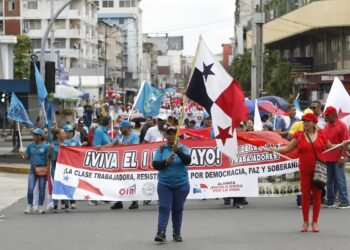
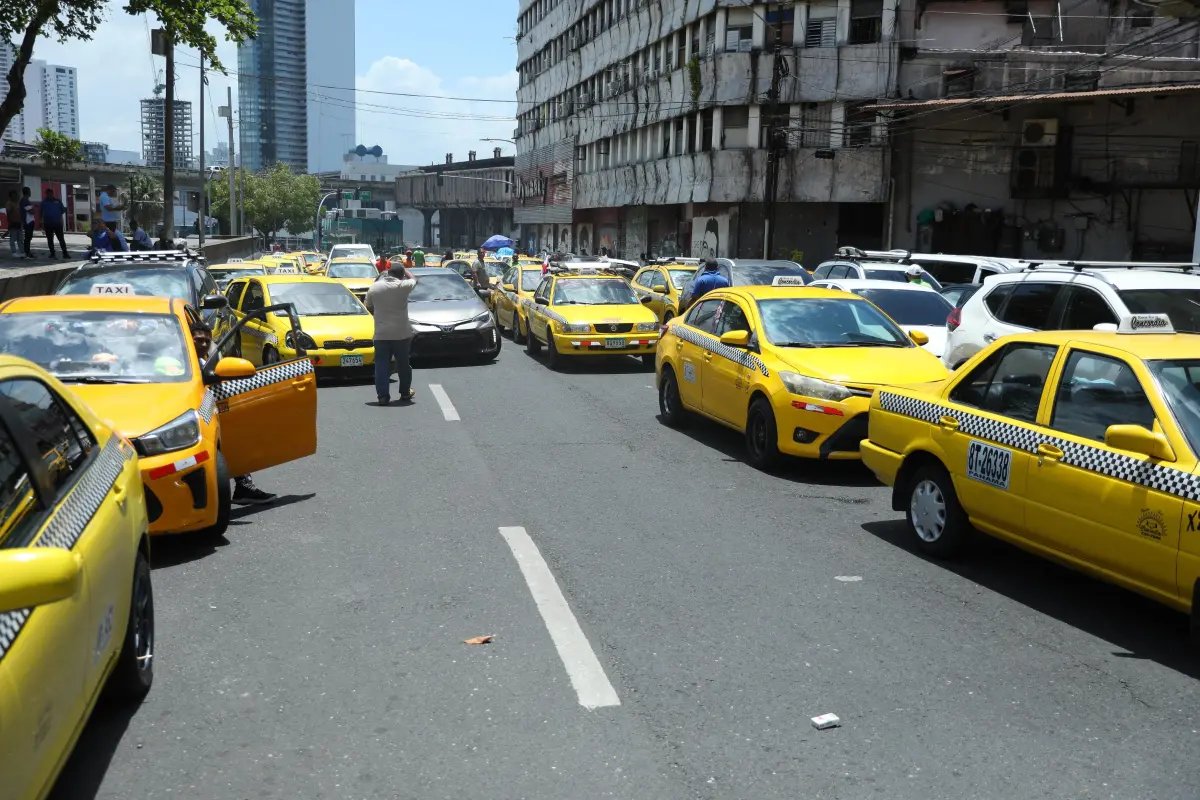
The transporters, for their part, came out to demand the regulation that they have requested since technology burst into the public transport market and snatched away customers. This Monday they arrived at the National Assembly with their protests, which were no longer only due to the Executive’s decision, but also due to statements by Congressman Ernesto Cedeño against them.
The deputy had announced over the weekend that he would sue the decree that regulated the service before the Supreme Court of Justice, and that was the case. The lawsuit was filed a few hours before the repeal of the rule was published in the Official Gazette.
The Executive supported the decision to repeal the decree on the fact that “there have been many contributions from the different sectors of civil society, mainly from the users of this transportation service, with opinions for and against the regulation issued.”
“Given this situation and listening to the contributions of all parties, it is necessary to immediately rescind this provision and collect the contributions (…) to issue an administrative rule that regulates this public transportation service, which is a necessity and a reality, mainly for the benefit of users.”
In Executive Decree No. 11 of this Monday, it is ordered to establish a working table in which the Ministry of Economy and Finance, the Ministry of Commerce and Industries, the Transit and Land Transportation Authority, the General Directorate of Revenue and the Ministry of Government, which will chair it, will participate, to meet with all the parties involved and prepare a regulation proposal within a period of 90 days.
President José Raúl Mulino, according to a statement from the Presidency, recognized that a broader dialogue is needed to achieve clear and consensual regulations that allow this activity to be regularized and guarantee optimal service for users of selective transportation.
One of the criticisms made against the decree was that it left the drivers of these platforms in the power of the providers of public transport services, as is the case with taxis and buses that operate in the country.
The National Chamber of Transportation (Canatra) held a meeting with deputies, including the president of the National Assembly, Jorge Herrera.
Jorge Isaac Dimas, president of Canatra, said that they will analyze what decision they will make as a result of the repeal of the decree. “We have fought for regulation because it is unfair competition and selective transportation (taxis) can’t stand it anymore…,” he said.
The leader indicated that they hope that the Executive will call them to form the table that is being convened to analyze a possible regulation of the transportation service through digital platforms.
While the transporters complain about the derogations, civil society applauded the government’s decision. Now, they must wait for the decision of the government table that will analyze the issue.