South Korea’s election watchdog reduced the number of ballots printed for election day without a formal review process, according to a report shared Wednesday.
The finding has raised questions over whether procedural lapses contributed to the ballot shortages reported during the June 3 local elections.
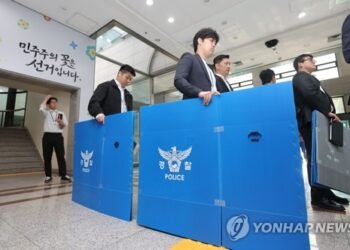
While the National Election Commission has said the reduction was based on practical considerations, it did not establish a contingency plan for handling ballot shortages, which later fueled protests that have continued for more than a week after election day.
For the election, the Songpa District Election Commission prepared ballots equivalent to 50 percent of registered voters at polling stations in 25 neighborhoods across the district in southern Seoul.
The neighborhoods included Jamsil 7-dong, where ballot shortages forced some voters to wait for additional ballots to be delivered or leave without voting.
According to an NEC report obtained by People Power Party lawmakers Rep. Kim Seung-su and Rep. Kim Meen-geon, the preparation rate fell well below Songpa-gu’s eventual voter turnout of 65.8 percent.
The reduced printing stemmed from an NEC decision on Dec. 10 to lower the minimum ballot preparation rate from 60 percent to 50 percent.
The decision was reportedly approved without a formal committee discussion and was signed off on by two staff members acting on behalf of the official with final approval authority within the NEC.
The NEC said it has gradually reduced the number of ballots prepared for election day after the introduction of early voting in 2014. The preparation rate fell from 80 percent in 2009 to 60 percent by 2021, and was lowered to 50 percent for the latest election.
The commission cited difficulties in printing, inspecting and storing large volumes of ballots within a short period of time, as well as security concerns associated with managing surplus ballots.
However, ballot preparation rates were even lower than 50 percent at 1,373 polling stations nationwide, as local election officials sought to minimize the number of unused ballots.
In a polling station in Dong-gu, Busan, and one in Yeosu, South Jeolla Province, the preparation rate stood at 45.5 percent.
As a result, ballot shortages occurred at 91 polling stations nationwide, with a total shortage of 7,194 ballots as of Wednesday, according to the NEC.
The situation was further aggravated by the absence of standardized guidelines for responding to ballot shortages.
According to local media reports, the NEC acknowledged that it had not established standards for how many additional ballots should be dispatched when shortages occurred or what approval procedures should be followed before distribution, delaying the response.
The NEC also reported that only 6 to 13 personnel were assigned to each local election commission despite the wide range of tasks expected of them, including polling station management, vote counting and reporting.
The limited staffing reportedly hampered information sharing and delayed internal communication.
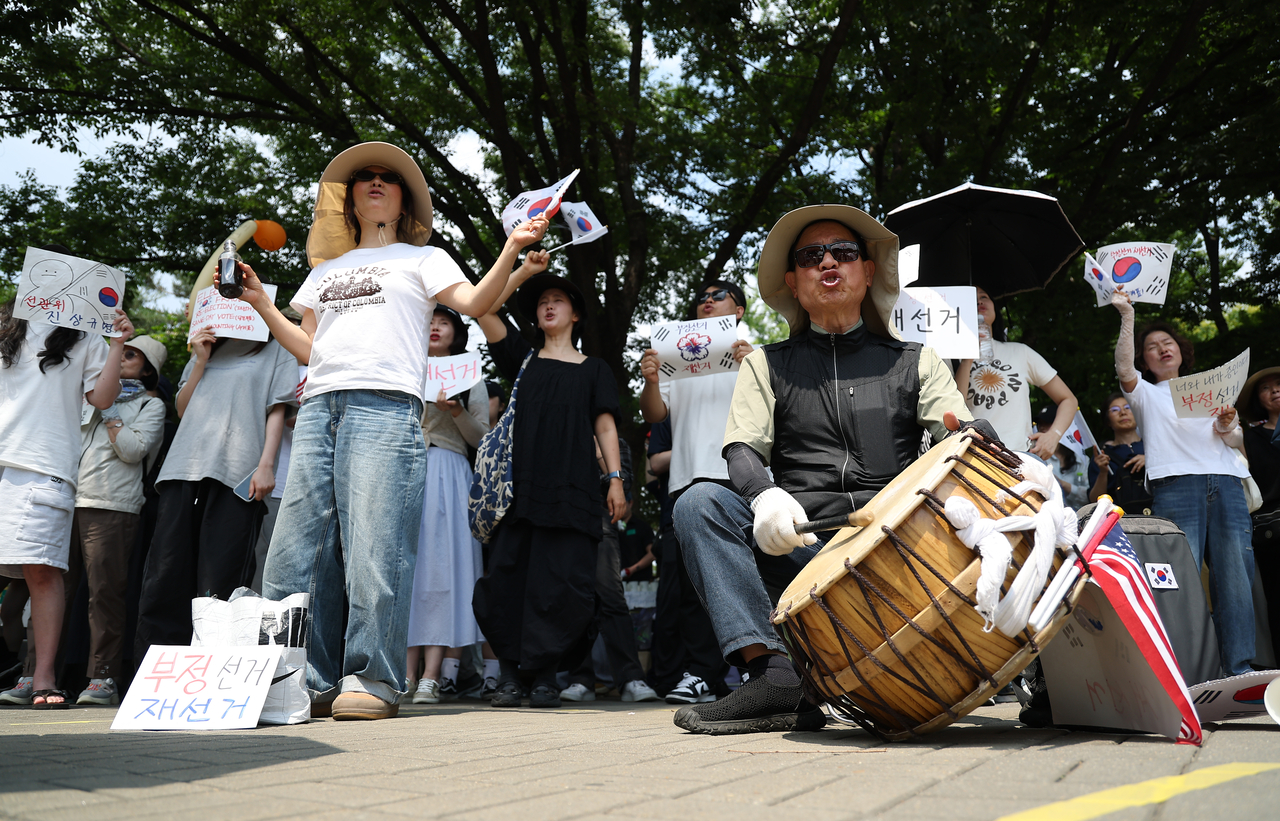
The shortages subsequently triggered protests by some voters who questioned the integrity of the election and called for a rerun.
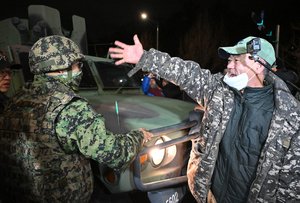
The protests began outside Jamsil 7-dong’s second polling station on the afternoon of June 3 and later moved to the SK Olympic Handball Gymnasium in Songpa-gu, where ballot boxes from the polling station were transported for counting. Demonstrations were ongoing as of press time Wednesday.
Similar protests have since been reported in other parts of the country, while students at several major universities were preparing joint actions on Wednesday evening criticizing the NEC’s handling of the election.
forestjs@heraldcorp.com