South Korea’s Ministry of National Defense is reviewing ways to allow military personnel to raise objections to orders whose legality is in question and, in certain cases, refuse them, according to a document submitted to the National Assembly on Wednesday.
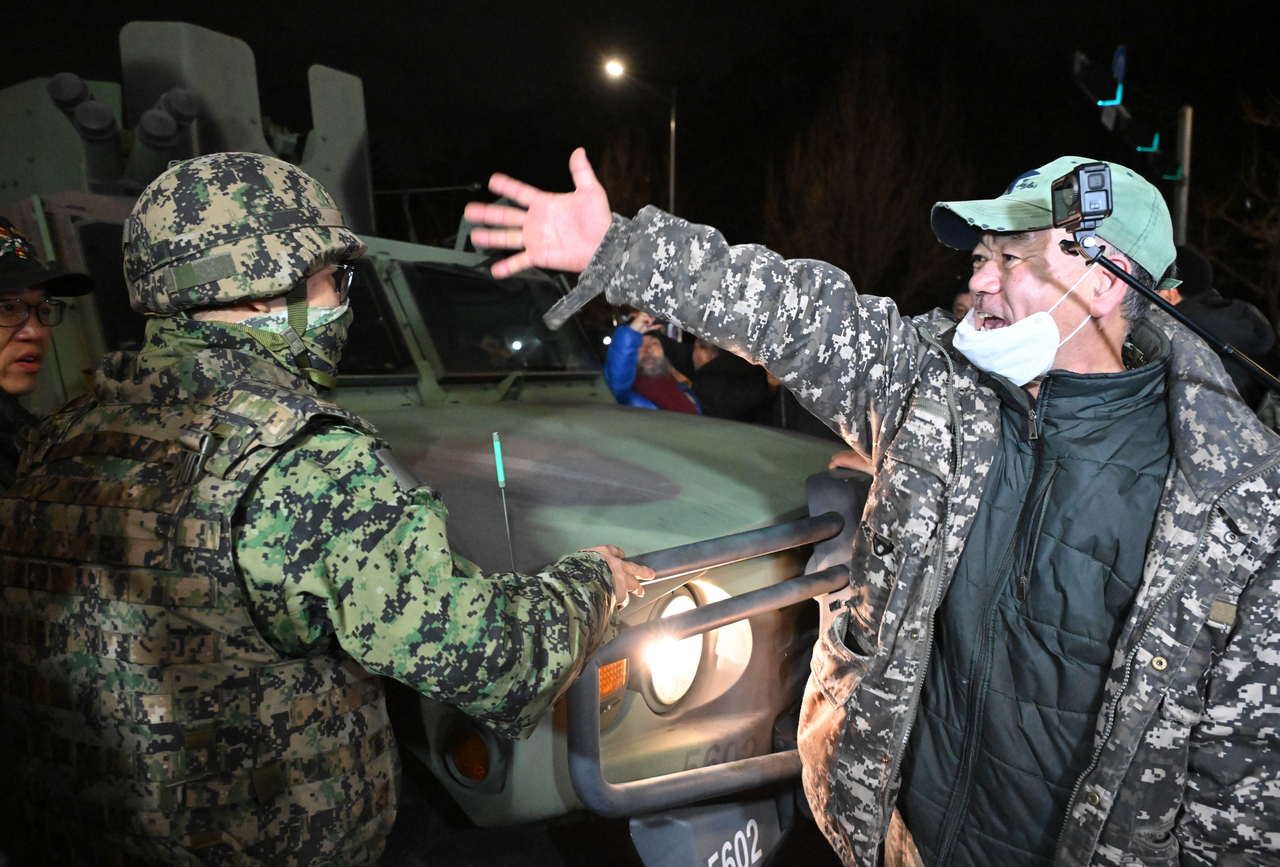
The move comes as part of broader efforts to prevent a recurrence of the Dec. 3, 2024, martial law episode.
According to Rep. Baek Sun-hee of the minor opposition Rebuilding Korea Party, the ministry said in a recently submitted document on revisions to the Framework Act on Military Status and Service that it is considering a system under which service members could first raise objections so the legality of an order can be assessed before they refuse it in specific cases.
Article 25 of the current law states that military personnel must obey official orders from superiors in performing their duties.
The planned revision seeks to add a legal basis for soldiers to challenge orders that clearly raise questions of legality, rather than simply requiring unconditional obedience.
The ministry is also reviewing whether to specify the types of orders that could be refused, including orders related to an illegal martial law declaration or orders that violate the Constitution or other laws. It is also considering setting out detailed procedures for raising objections in a presidential decree.
The ruling bloc and the Defense Ministry have pushed for revisions to the law since the Dec. 3 martial law crisis, seeking to establish legal grounds for service members to refuse unlawful orders.
Ten lawmakers from the broader ruling bloc have submitted a revision bill to guarantee such a right.
The ministry also presented an opinion to the National Assembly’s Defense Committee in November, proposing that Article 25 be revised to state that clearly illegal orders may be refused and that personnel should not face disadvantages for doing so.
Efforts to reach an agreement have faced difficulties, as opposition lawmakers have voiced concerns that such a provision could be abused and disrupt the military chain of command.
Later in February, the ministry submitted a revised proposal to the National Assembly’s Defense Committee. The proposal included language stating that service members may raise objections when there is disagreement over the legality of an order.
“The Dec. 3 incident left a painful lesson that illegal orders can endanger both the state and the military,” Baek said.
“We must put in place legal mechanisms to block unlawful orders at the source and protect those who exercise the right to refuse them, while upholding military discipline, constitutional values and preventing such an unfortunate history from repeating itself.”
flylikekite@heraldcorp.com