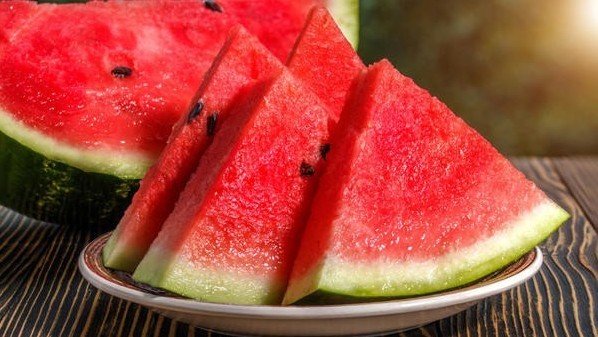
GoodFood – Watermelon is a summer fruit rich in water, vitamins and antioxidants. However, if the rules of processing and storage are violated, it can become a source of foodborne infections, writes the Republican Center for Health Promotion.
Possible risks
Watermelon grows on the ground and comes into contact with soil and water, so bacteria – salmonella, E. coli, listeria – easily settle on the peel. If the watermelon is not washed before cutting, the knife transfers germs directly into the flesh.
Watermelon is dangerous if: – it has already been cut and stood at room temperature for more than two hours; – a sour smell or mucus appears; – the peel is damaged.
Who’s at risk
Food poisoning can happen to anyone, but it is most severely experienced by older people over 65, children under five, pregnant women, and people with weakened immune systems.
According to the American Centers for Disease Control and Prevention (CDC), every year about 48 million people in the world become ill with food poisoning, 128 thousand are hospitalized, and three thousand die.
How to choose
A safe watermelon is whole, without cracks, dents or soft areas, with a clean, dry surface. Fruit that is heavy in weight is usually more juicy.
Safety rules
Before eating, watermelon must be thoroughly rinsed under running water, even if the peel is not used for food. There is no need to use soap or detergents. After washing, it is important to cut with a clean knife on a clean cutting board.
Sliced watermelon is stored in the refrigerator at a temperature no higher than +4°C, for no more than two days, covered with film or in a closed container. At room temperature, the sliced fruit should not stand for more than two hours.
Watermelon is safe if you follow simple hygiene rules. The main risk is not the fruit itself, but violations during processing and storage.