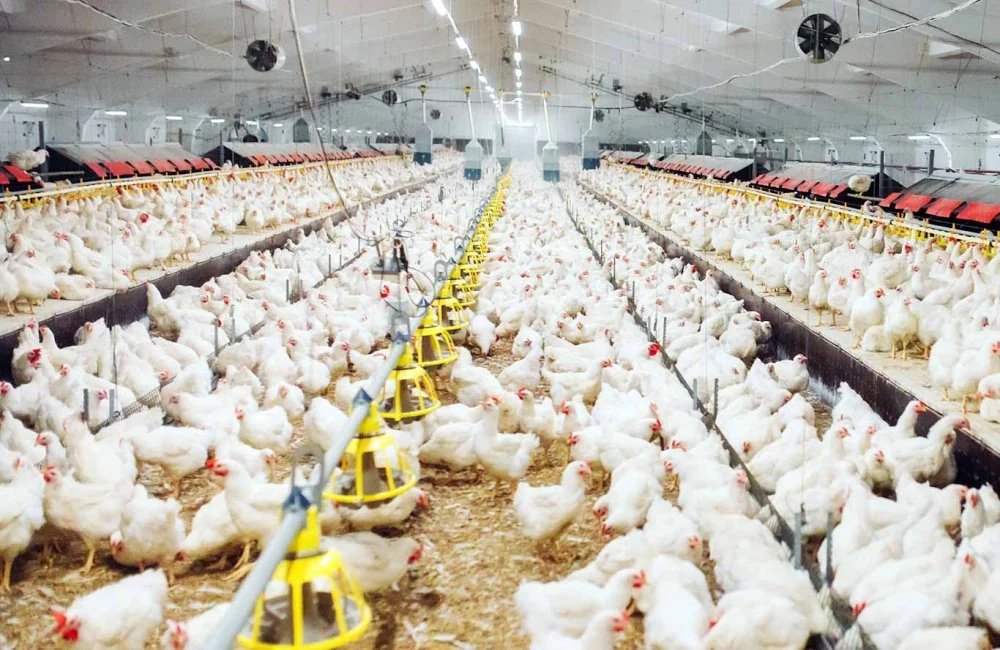
THE Moroccan poultry sector is going through one of the most difficult periods in its recent history. While the price of chicken lively on the farm fell below the bar 7 DH/kg in several regions of the Kingdom, breeders are warning of a situation that has become economically untenable. However, contrary to what certain trends relayed on social networks suggest, the current crisis is not linked to a significant drop in consumption.
In recent weeks, several Internet users have attributed the fall in chicken prices to the rise of “Tayibat of Al Awadi” diet or calls to reduce the consumption of white meat and eggs. An explanation that firmly rejects Said Janahgeneral secretary of the National Association of Broiler Producers (ANPC). “This has absolutely no connection with the regime “Tayibat of Al Awadi” nor with an alleged fall in consumption. “It’s a certainty,” he said in a statement to our editorial staff. To support his analysis, the professional manager relies on the consumption levels observed during Eid Al-Adha. “We observed high demand. Operators who usually sell two tonnes were able to reach four tonnes. Consumers continue to buy chicken and points of sale continue to operate normally,” he explains. According to him, the market does not suffer from a lack of customers but from a deep imbalance between supply and demand as well as a lack of regulation of the sector.
Breeders forced to sell at a loss
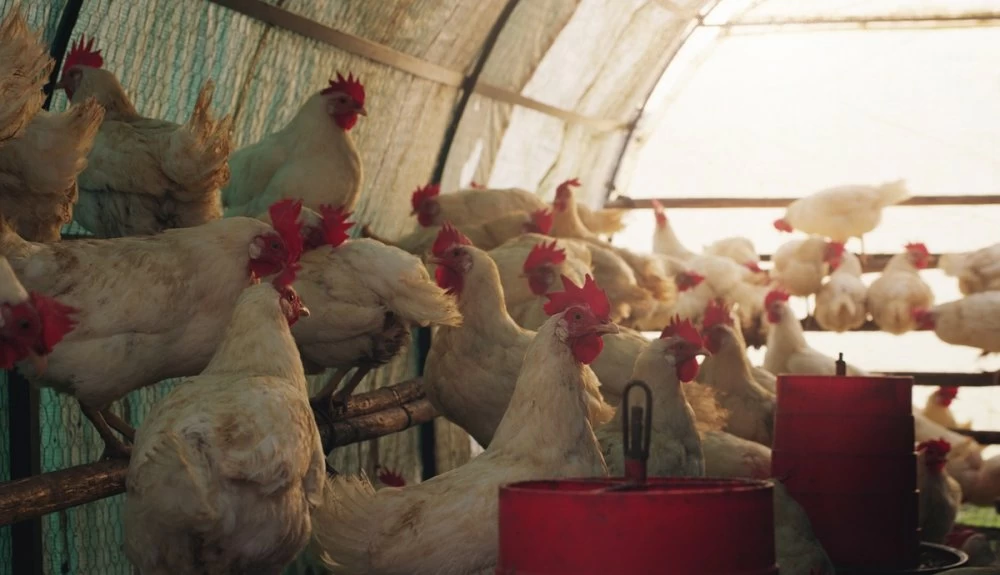
Professionals’ concerns are fueled by the growing gap between production costs and farm prices. In a press release published on Monday, the National Broiler Producers Association sounds the alarm in the face of the “unprecedented collapse” of sales prices. According to the organization, a kilogram of live chicken is now sold for less than 7 dirhams, while its actual production cost varies between 15 and 17 dirhams.
In other words, many breeders today market their production with losses sometimes exceeding half of their costs. A situation which erodes cash flow, weakens farms and pushes certain producers to consider stopping their activity. “Today, the breeder is the only one who really bears the losses“, deplores Saïd Janah.
Overproduction that unbalances the market
For the secretary general of the ANPC, the first explanation of the crisis is overproduction. “The causes are multiple, but first there is a problem of excessive production,” he emphasizes. This situation occurs in a context where breeding capacities have developed more quickly than market regulation mechanisms. Result: when supply exceeds demand, prices collapse suddenly, to the detriment of producers. Added to this are structural difficulties that affect the entire value chain. The manager mentions in particular informal practices in the marketing of chicks And a lack of control of certain operators. “From the purchase of the chicks to the marketing of the chicken, there are circuits which escape the normal rules of organization of the sector,” he explains.
Intermediaries accused of distorting the market
Professionals also point out the role played by certain intermediaries in the formation of prices. According to Saïd Janah, speculative practices and arrangements between certain players contribute to accentuating market imbalances. “There are stakeholders who are taking advantage of the situation. Chicken is sometimes purchased at extremely low prices from the breeder before being resold for much more. The problem lies in the marketing channels and in the multiplication of intermediaries“, he says. This situation creates a paradox which fuels the incomprehension of producers: while consumers continue to pay relatively high levels for their chicken, breeders see their income collapse.
A sector considered insufficiently organized
Beyond the current situation, the ANPC believes that the crisis reveals the limits of governance in the sector. Saïd Janah calls for a more integrated approach involving all links in the production chain. According to him, the professional federation should allow closer cooperation between compound feed manufacturers, hatcheries, suppliers and breeders. “All stakeholders must be involved in decisions. Today, when the market turns, the losses are mainly concentrated on breeders while the other stakeholders have more protection mechanisms,” he believes. The difficulties are all the greater as production costs remain high. Animal feed continues to represent the main burden for farms, while several breeders reportan extension of production cycles, which further increases expenses and slows down turnover.
A call for intervention by public authorities
Faced with the scale of the crisis, the ANPC calls on the authorities to act quickly. The association demands opening an investigation on the dysfunctions of poultry marketing, the strengthening of controls against speculation as well as the adoption of emergency measures intended to preserve the economic viability of farms. The organization believes that the issue now goes beyond the sole concerns of producers. According to her, the progressive weakening of livestock farming could ultimately threaten the balance of the national supply of animal proteins and compromise future price stability. For professionals, the diagnosis is clear: the current crisis is not the result of a change in the eating habits of Moroccans or the influence of a diet that has gone viral on social networks. It finds its origin above all in structural imbalances which have been weakening the entire poultry industry for several years.