Al-Thawra Net| Nasser Jarada
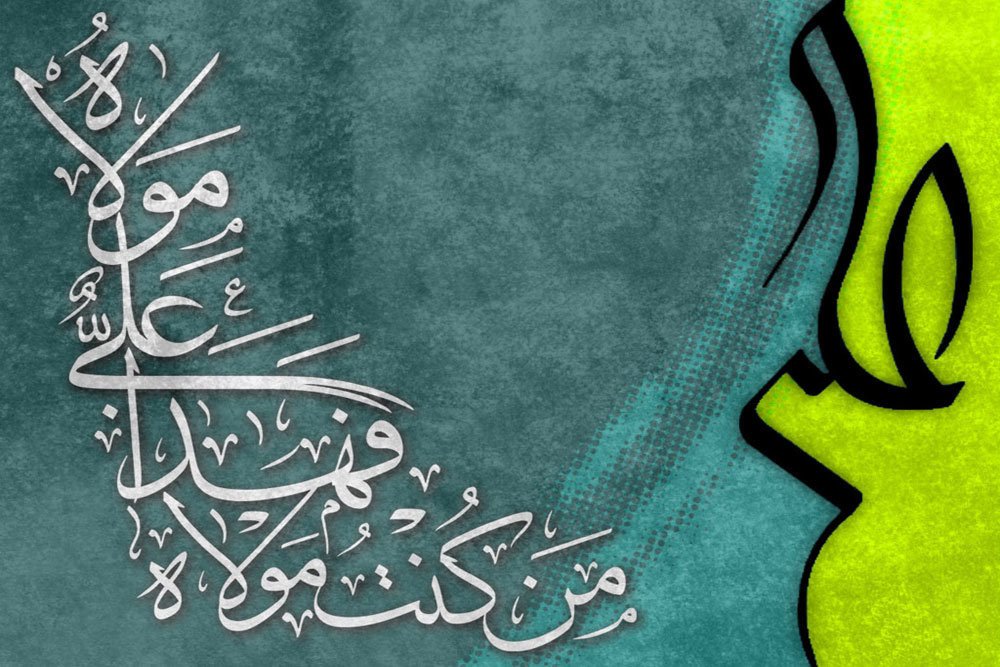
With the anniversary of Wilayah Day, the meanings of connection with God, His Messenger, and the symbols of guidance are renewed in the nation’s conscience, as it is an occasion of faith that recalls one of the most prominent turning points in Islamic history, which embodied the extension of the path of guidance and preserved for the nation the signs of the path in the face of challenges and deviations.
This occasion gains special importance in light of the political, cultural and intellectual conflicts and challenges the nation is witnessing, and the attempts it is exposed to to subjugate and dominate that target its identity, values and authentic principles.
In the context of commemorating this occasion, a survey was conducted ”Al-Thawra Net” The opinions of a number of scholars and cultural activists who emphasized that the anniversary of the state represents a station for enhancing awareness, consolidating faith identity, and renewing the connection to the Qur’anic project that rejects submission to tyranny and arrogance.
Immunity for the nation in the face of hegemony
At the beginning of the conversation about Guardianship Day, the Vice President of the General Authority for Endowments and Guidance, Dr. Fouad Naji, confirmed in an exclusive interview with Al-Thawra Net that there is a close connection between faith identity and the principle of guardianship, considering that faith is not limited to the devotional aspect only, but rather represents an integrated way of life that includes various political, cultural, social, economic and media aspects.
He explained that the requirements of faith are the connection to the guardianship of God Almighty, the guardianship of His Messenger, the guardianship of Imam Ali, peace be upon him, and the leaders of guidance, as they are the natural extension of the path of divine guidance. He pointed out that the Holy Qur’an emphasized the importance of this connection, and warned against falling into the guardianship of the enemies of the nation and subservience to them.
He added that commemorating the state contributes to enhancing the nation’s awareness of this pivotal issue that has been marginalized throughout history, which has negatively reflected on the reality of Muslims and led to them falling under various forms of domination and subordination.
He pointed out that Wilayah Day represents a station for consolidating political awareness based on the Qur’anic vision and renewing the position that rejects submission to tyrants and hegemonic forces, stressing that many of the crises that the nation is experiencing today are related to its distance from God’s guardianship and its dependence on arrogant powers.
He explained that the Ghadir incident was not a passing event, but rather a fateful message in which the Greatest Messenger, may God bless him and his family and grant them peace, presented to the nation a road map that would preserve its religion and unity and continue the path of guidance, stressing that Imam Ali, peace be upon him, presented the finest model of Islamic leadership with his justice, wisdom, courage and piety.
He pointed out that the culture of the state represents the basis for creating free and independent positions that reject submission to the forces of arrogance, and that the peoples and movements that adopted this approach were able to record honorable positions in the face of American and Zionist projects, stressing the importance of the role of scholars, intellectuals, and media professionals in consolidating this awareness and enhancing the values of pride, independence, and connection to the nation’s issues.
An extension of nature and the values of freedom
For his part, cultural activist Nabil Al-Mahdi, in an exclusive interview with Al-Thawra Net, believes that the principle of guardianship represents an innate issue that God Almighty has linked to the most important issues of faith, explaining that the guardianship of Imam Ali, peace be upon him, is closely linked to the essence of faith and the concept of loyalty to God and His Messenger.
He stressed that the Ghadir incident constitutes an extension of the message of Islam and the divine project carried by the Great Messenger, may God bless him and his family and grant them peace, and that adherence to the authority of Imam Ali represents an extension of adherence to the Messenger of God and his approach.
He pointed out that one of the most prominent values that are consolidated through commemorating this occasion is the value of true freedom, represented by freedom from submission to tyrants and arrogant people, in addition to consolidating the identity of faith with the values it carries of courage, patience, loyalty, dignity and chivalry.
He added that Imam Ali, peace be upon him, presented a unique model of just leadership and a global symbol of justice and fairness, which prompted many thinkers and researchers to study his experience and benefit from his approach to administration and governance.
The fruits of guardianship: pride, guidance, and solidarity
In turn, the Director of the Awareness and Rehabilitation Department at the Office of the General Authority for Zakat in Sana’a Governorate, Ibrahim Hussein Hamid al-Din, confirmed in an exclusive interview with “Al-Thawra Net” that commemorating Guardianship Day represents an authentic religious occasion that the Yemeni people have been associated with across generations, and that it contributed to consolidating awareness and preserving faith identity.
He explained that the importance of this occasion stems from its connection with the Ghadir event in which the Messenger, may God’s prayers and peace be upon him and his family, informed the nation of the matter of guardianship, as it is a pivotal issue in the path of guidance and the continuation of the message.
He pointed out that one of the most prominent practical fruits of adhering to the principle of guardianship is achieving pride, dignity, and freedom from domination and tyranny, in addition to the guidance and integrity it achieves in the lives of individuals and societies.
He stressed that guardianship is not just a theoretical concept, but rather a practical approach that is reflected in human behavior by promoting the values of solidarity, cooperation, charity, and a sense of responsibility towards society, drawing inspiration from the biography of the Great Prophet and his family, peace be upon them.
He added that following the example of Imam Ali, peace be upon him, and the icons of guidance pushes a person to commit to the values of giving, giving, helping the needy, and reviving the spirit of compassion and solidarity among the members of society.
A renaissance project for the nation
The anniversary of the state represents a renewed station of faith to recall the values and principles established by Islam in building the nation, preserving its identity, and consolidating its connection with God, His Messenger, and the leaders of guidance. The state also embodies a practical approach that enhances awareness, responsibility, and adherence to the right to confront challenges and projects of hegemony and arrogance.
In light of the transformations and challenges the nation is going through, the state stands out as a fundamental pillar in consolidating the values of justice, freedom, dignity, and independence, and building a cohesive society capable of confronting dangers and defending its crucial issues.
The anniversary of the mandate remains an occasion to renew the covenant with the Qur’anic principles and to draw inspiration from the leadership model embodied by Imam Ali, peace be upon him, with the meanings of justice, wisdom, and steadfastness it carries, and to affirm that whenever the nation adheres to its identity of faith and its authentic values, it possesses the means of strength, advancement, pride, and victory.