if it was Strait of Hormuz “valve Oil andmystificationIn the Gulf, Bab al-Mandab It is the “trade gateway” between Asia and Europe. Therefore, closing them does not mean the same thing economically, even though they are at the heart of the same geopolitical crisis. The main difference is that Hormuz hits the energy supply directly, while Bab al-Mandeb hits the cost of transportationSupply chainsIt may turn into a bigger oil blow if it closes while the Strait of Hormuz continues to be closed.
What passes through Bab al-Mandab?
It passes through Hormuz Naft Saudi Arabia andKuwait andIraq andThe UAE andQatar And Iran, in addition to a very important part of trade Liquefied natural gasespecially from Qatar. According to data from the US Energy Information Administration, the passage of oil and petroleum products through Hormuz reached about 20.9 million barrels per day in the first half of 2025, that is, more than a quarter of the global maritime oil trade and about a fifth of the global consumption of petroleum liquids. About 11.4 billion cubic feet per day of liquefied natural gas also passed through it, i.e. more than 20% of global liquefied gas trade. Therefore, the closure of Hormuz not only raises the cost of transportation, but also withdraws huge amounts from the market, hitting Asia first: China, India, Japan, and South Korea are the most prominent destinations for these shipments.
As for Bab al-Mandab, located between Yemen, Djibouti and Eritrea, it connects Red Sea In the Gulf of Aden and the Indian Ocean, it is part of a road Suez Canal. Before the escalation of Houthi attacks, it was a vital crossing point for oil heading from the Gulf to Europe and America, and for containers between Asia and Europe. But its oil volume is much less than that of Hormuz. Energy Information Administration data show that oil transit through Bab al-Mandeb reached 9.3 million barrels per day in 2023, then fell to 4.1 million in 2024, and 4.2 million in the first half of 2025, after many companies diverted their ships around the Cape of Good Hope.
The greatest importance of Bab al-Mandab is in general trade. Before the crisis, the Red Sea/Suez Canal/Bab el-Mandeb corridor carried about 30% of global container trade, according to the World Bank. This includes many goods, most notably electronics, telephones and spare parts from Asia to Europe, clothing, textiles, furniture, industrial machinery and equipment, cars and auto parts, food, grains, oils, consumer goods, chemicals, fertilizers, plastics and production inputs.
How does each corridor have its own crisis?
Here the fundamental difference appears: Closing Hormuz means an energy supply crisis, while closing Bab al-Mandab often means a crisis of routes, costs, and delay. A ship that avoids Bab al-Mandab and the Suez Canal can circumvent South Africa, but it pays a higher price in fuel, insurance and time. As for the ship that wants to leave the Gulf via Hormuz, it does not have a real maritime alternative unless the exporting country has a pipeline that crosses the strait.
Saudi Arabia built the East-West pipeline years ago, which transports crude from the eastern region to Yanbu on the Red Sea. In 2026, Saudi Arabia announced the restoration of the full capacity of the line at about 7 million barrels per day, or about 70% of its usual daily exports. In practice, not all of this quantity turns into direct exports, because part of it goes to refineries and facilities in the west of the Kingdom, but the line gives Riyadh a margin of maneuver, which it turned into an additional feature by establishing a land transport network linking various Gulf countries to the Red Sea. However, if Bab al-Mandab is also closed or the Red Sea ports are attacked, this same alternative will come under fire.
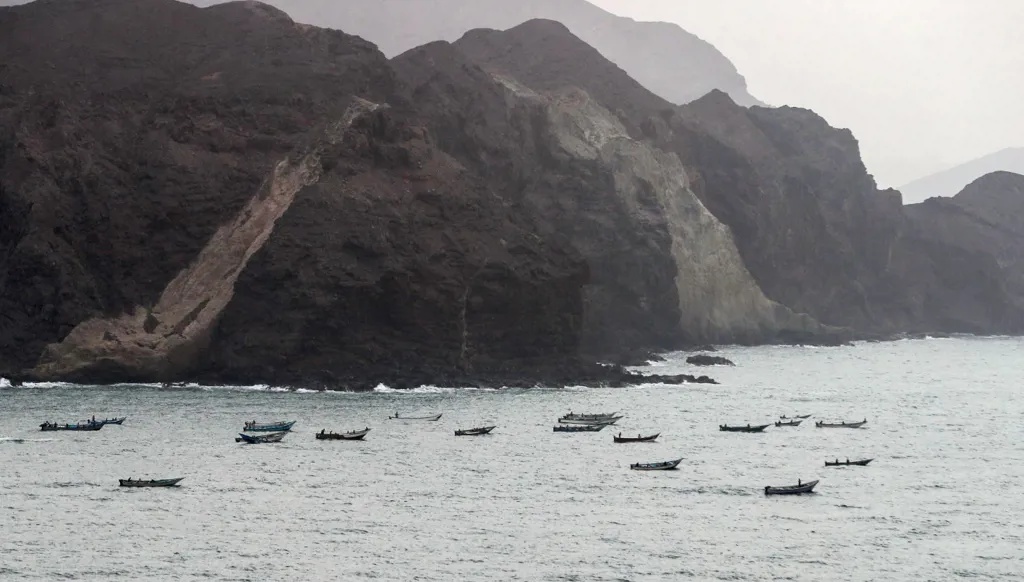
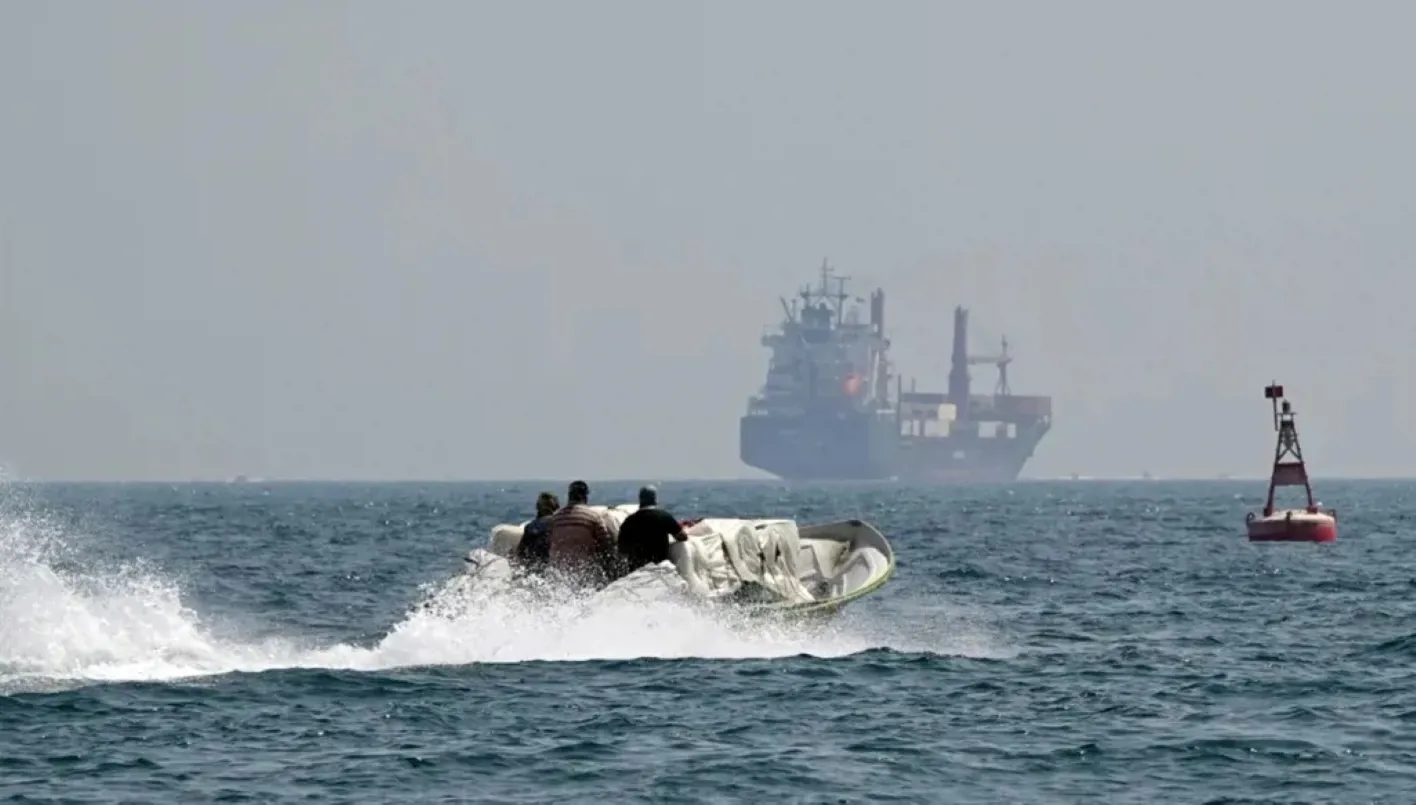
Yemeni fishing boats on the Yemeni coast of the strategic Bab al-Mandab Strait. (AFP)
For this reason, closing Bab al-Mandab after closing Hormuz is more dangerous than closing it alone. In the Red Sea crisis between 2023 and 2025, Gulf exports were able to transit Hormuz, with the main problem being that ships avoided the Red Sea and went around the Cape of Good Hope in Africa. Today, with Hormuz still idle, the Red Sea has become not just a trade route, but an alternative artery for exporting Saudi oil. Then, Bab al-Mandab is no longer a logistical detail, but rather turns into a second energy node.
What is the difference in economic impact?
The impact on markets also varies. Hormuz immediately affects oil and gas prices, because the market fears a material shortage of supplies. Any significant decline in Gulf exports raises the risk premium on Brent crude, and pushes importing countries, especially in Asia, to withdraw from stocks or search for more expensive alternatives from the United States, West Africa, and Latin America. It also puts pressure on liquefied gas markets, because Qatar cannot export its liquefied gas without passing through Hormuz.
Bab el-Mandeb, in contrast, hits containers and general trade harder: The World Bank, speaking about the Red Sea crisis, points out that the route through Suez and Bab el-Mandeb carried about 30% of global container trade, and that ship traffic through Suez and Bab el-Mandeb fell sharply as the attacks expanded. The cost of shipping also increased, delivery times were affected, and pressure increased on European and Asian companies. As for UNCTAD, it warned that prolonging flights around the Cape of Good Hope raises the cost of fuel, insurance and emissions, and puts pressure especially on poor and food-importing countries.
Economically, it threatens the Strait of Hormuz Inflation via EnergyWhile Bab al-Mandab threatens it through transportation and goods. The first raises the price of a barrel, gas, electricity, and fuel, and the second raises the cost of a container, delaying intermediate goods, food, and consumer products. Therefore, the impact of Hormuz may be faster and more violent in the oil markets, while the impact of Bab al-Mandeb is broader in daily trade and the supply chain crisis.
Finally, Hormuz is the single most dangerous strait because it touches the heart of the global energy market. As for Bab al-Mandab, it has less oil weight, but it becomes very dangerous when the Red Sea turns into the alternative corridor for Gulf exports. In this case, the world is no longer facing a single strait crisis, but rather facing a double siege: Hormuz is strangling the Gulf from the east, and Bab al-Mandab is strangling its alternative exit from the west. Then, the crisis becomes bigger than the rise in oil prices; It becomes a test of the global economy’s ability to withstand an energy shock and commodity shipment simultaneously.