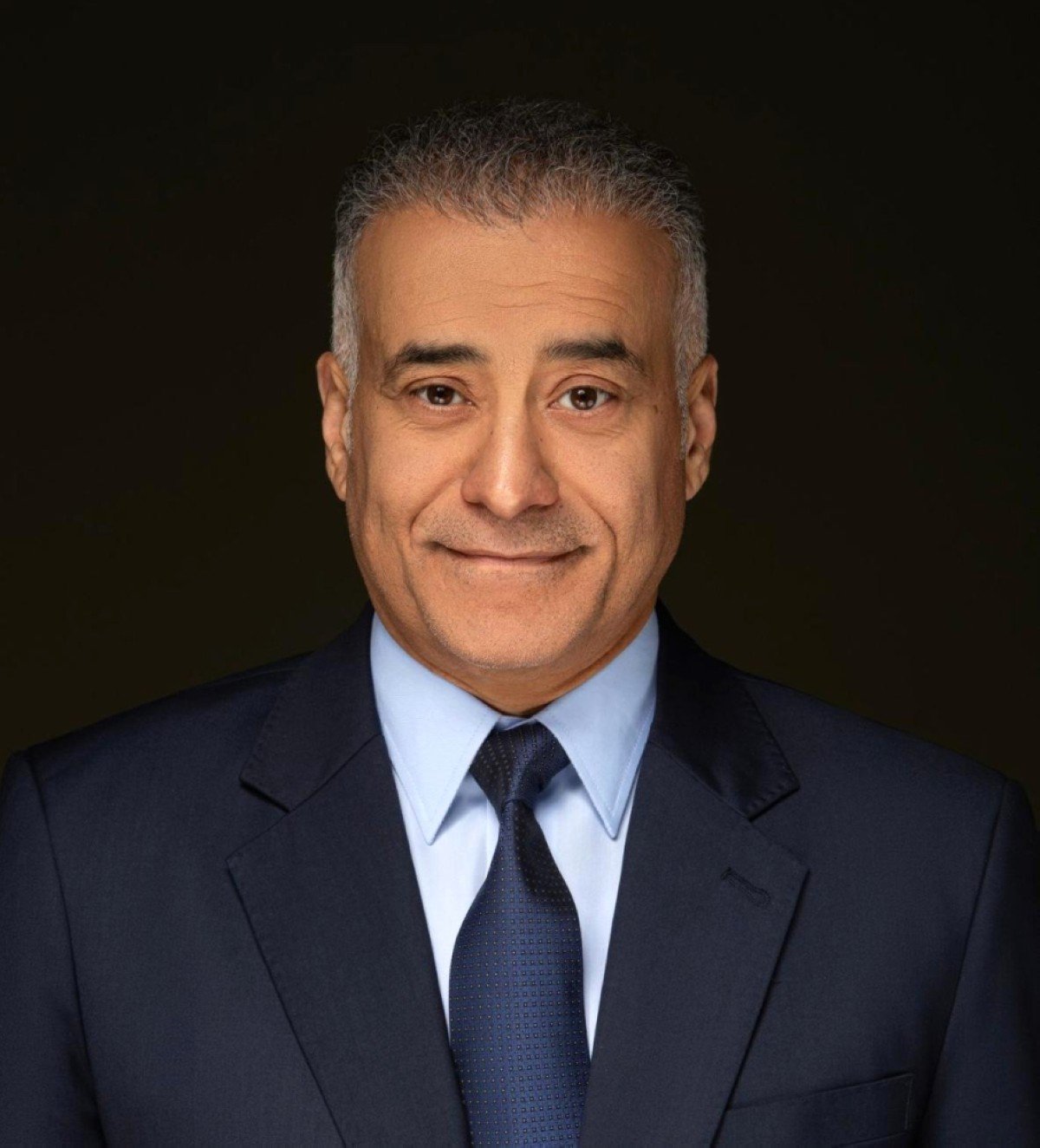

Dr Abdulmohsen Ebrahim Alterki
In medicine, some of the greatest breakthroughs come from unexpected places. One of the most remarkable examples is found inside the modern ear operating theater, where a technology originally designed for dentistry helped transform the field of ear and skull-base surgery. Today, high-speed drills are essential instruments in modern ear and sinus surgery. They allow surgeons to safely operate within the temporal bone, part of the human skull and one of the densest and most delicate bones in the human body, while working only millimeters away from the facial nerve, inner ear, and even the brain. Yet, few realize that the origins of this technology trace back not to otolaryngology, Head & Neck Surgery, but to the dental clinic.
The story centers on the pioneering American surgeon Willam House, widely regarded as the father of neurotology and cochlear implantation. Before becoming an ear surgeon, House initially trained in dentistry during the 1940s, where he became familiar with the speed and precision of dental rotary drills. At that time, ear surgery was far more difficult and hazardous than it is today. Surgeons relied heavily on chisels, gouges, and relatively crude instruments to remove diseased bone from the mastoid and temporal bone. Visibility was limited, precision was difficult, and complications involving hearing loss or facial paralysis were not uncommon.
House recognized that the same high speed rotary technology used by dentists (drill) could dramatically improve surgical precision in ear surgery. During the late 1940s and 1950s, he began adapting principles from dental drills into microscopic otologic surgery. When combined with the newly developing operating microscope, the results were revolutionary.
In 1946, the institute was originally known as the Los Angeles Foundation of Otology, then it became the House Institute Foundation, established by Howard House and later became one of the world’s leading centers for ear research and surgical innovation. By the 1950s and 1960s, surgeons at the House Institute were pioneering advanced techniques in mastoid surgery, acoustic neuroma surgery, and skull-base procedures using high-speed drilling systems inspired by dentistry. One of William House’s key innovations was the development of a one-handed suction-irrigator system, which allowed surgeons to drill while simultaneously clearing bone dust and cooling the surgical field. This significantly improved safety and visibility during delicate temporal bone procedures.
The impact of these advances extended far beyond routine ear surgery. In 1961, House performed one of the earliest cochlear implant procedures, helping open the door to a technology that would later restore hearing to hundreds of thousands of patients worldwide. Modern cochlear implantation, skull-base surgery, and neurotology all continue to rely on the same principle pioneered decades ago: precise microscope guided drilling within the temporal bone. Even today’s image guided and minimally invasive techniques reflect the same philosophy of accuracy and control first inspired by dental technology.
Perhaps the most fascinating aspect of this history is how innovation crossed the boundaries between specialties. A tool once intended for treating teeth became indispensable in preserving hearing, protecting facial nerve function, and advancing some of the most sophisticated procedures in modern surgery. It is a reminder that progress in medicine often occurs not only through discovery within a specialty, but through the willingness to learn from one another.
NOTE: Dr Abdulmohsen Ebrahim Alterki is the Chairman of Otolaryngology, Head & Neck Surgery Faculty, Kuwait Board of Postgraduate Training Program, Kuwait Institute for Medical Specialization (KIMS), Ministry of Health, Kuwait.