
Listen to this article
Estimated 4 minutes
The audio version of this article is generated by AI-based technology. Mispronunciations can occur. We are working with our partners to continually review and improve the results.
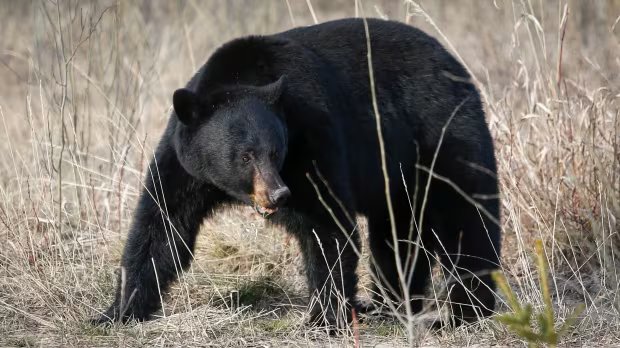
A B.C. wildlife protection organization is calling on the province for more transparency and change after a sow was killed in Golden Ears Provincial Park in Maple Ridge late last month, resulting in two cubs being taken to a rehabilitation centre.
The executive director of the Fur-Bearers, Lesley Fox, questions what steps were taken by park staff to prevent the lethal removal of the female bear last Friday, May 29.
“Park rangers can ticket individuals who leave out garbage. They can remove campers, they can seize coolers,” Fox said. “They can actually close the park.”
It’s not clear if any of those initiatives were taken by officials, Fox said.

A recent bear attack on a popular trail in Squamish is prompting a warning from conservation officers. This isn’t the first time it’s happened in the area. Alanna Kelly has more on the attack and why the bear won’t be tracked and killed.
The B.C. Conservation Officer Service said in a Facebook post B.C. Parks requested help to deal with an aggressive sow and that there were multiple reports of conflict, including breaking into tents or vehicles to access food and frequenting campgrounds with people nearby.
Fox said while there’s allegations this bear was known and was accessing garbage, she raised the question, “How is that possible?”
“Another way to rephrase that is, ‘Campers were sloppy, campers were leaving behind garbage and attracting bears,’” Fox said.
“The responsibility is on people. The bear is acting like a bear.
“We need to stop blaming animals and start holding people accountable that are putting animals in these situations,” she added.

A grizzly bear that received significant public attention after stalking people on B.C.’s Sunshine Coast and appearing on Texada Island has been killed. Minister of Water, Land and Resource Stewardship Randene Neill speaks about the incident.
A spokesperson for B.C. Parks and the conservation service were not available for an interview by deadline.
In the conservation service’s Facebook post, Insp. Simon Gravel said “dispatching any bear” is not the outcome anyone wants.
“This bear learned to associate people with food and its behaviour was escalating,” Gravel said in the post. “All options were exhausted and unfortunately, dispatching was the only outcome to keep people safe.”
The province has since posted a video online about bear safety, keeping wild animals wild, and people safe.
Fox said while she’s pleased to see the educational video shared, more needs to be done, especially as camping season kicks off.
She said the group has written a letter to both B.C. Parks and the Ministry of Environment, calling on them to step up education, enforcement, and waste management in public parks.
“I really hope the death of this mother bear is not in vain,” Fox said.

The province and the Grizzly Bear Foundation announced they are partnering to better protect B.C. bears and reduce wildlife conflicts in communities. Our Michelle Morton reports, the move comes after 154 bears were killed in the first six months of 2024
‘Could this have been prevented?’
Cole Burton, an associate professor with the Department of Forest Resources and Management at the University of British Columbia, said there needs to be transparency any time a wild animal is killed.
“Anytime lethal removal of an animal happens, you do ask yourself, ‘What was done? Could this have been prevented?’” he said.
“We can only really learn if we have good documentation, good monitoring of what was tried, what worked or didn’t work.”
Burton said with an increasing amount of outdoor recreation, people going out into bear habitat, as well as expanding cities and towns, more resources need to be put into parks, including education and enforcement.
“If you think about how remarkable our B.C. park system is,” he said, “it in the past hasn’t received a lot of funding to sort of allow it to be more proactive in preventing these things.”
Both park staff and conservation officers, Burton said, need to be well resourced so they can monitor wildlife-human interactions to be proactive about preventing conflict.
“We tend to take for granted what we have in this province in terms of these beautiful parks and these healthy wildlife populations,” Burton said.
“We need to make sure that we prioritize protecting them and creating this opportunity for co-existence.”