Kissing with the aggressor
The brutal attacks of the Zionist regime in southern Lebanon are intensifying at the same time as the negotiations continue. In recent days, Israeli fighters and artillery of this regime have carried out air and artillery attacks on several cities and villages in the south, including around Nabatieh and Tire, and have targeted civilians. By issuing the evacuation order for the residents of Nabatieh and establishing new military positions in the south, the occupying army is actually expanding its occupation towards the north of the country. Against these aggressions, the government of Beirut, especially the Prime Minister, Nawaf Salam, still insists on the path of negotiations with the Zionist enemy. Justifying this approach, Salam announced that “we have consciously and responsibly decided to pursue the most suitable option for the protection of Lebanon and its people, and that option is negotiations” and called it “the least expensive path for our country and people”. This position of the government is not consistent with the realities on the ground, because the resistance and the people of the south are paying the heavy price of the regime’s aggression, and Hezbollah has rejected any submission to these negotiations. Such a gap between the appeasement government and the Islamic Resistance Front has made Lebanon’s territorial integrity more vulnerable to the pressures of the United States and the Zionist regime.
Emphasis on the necessity of defense
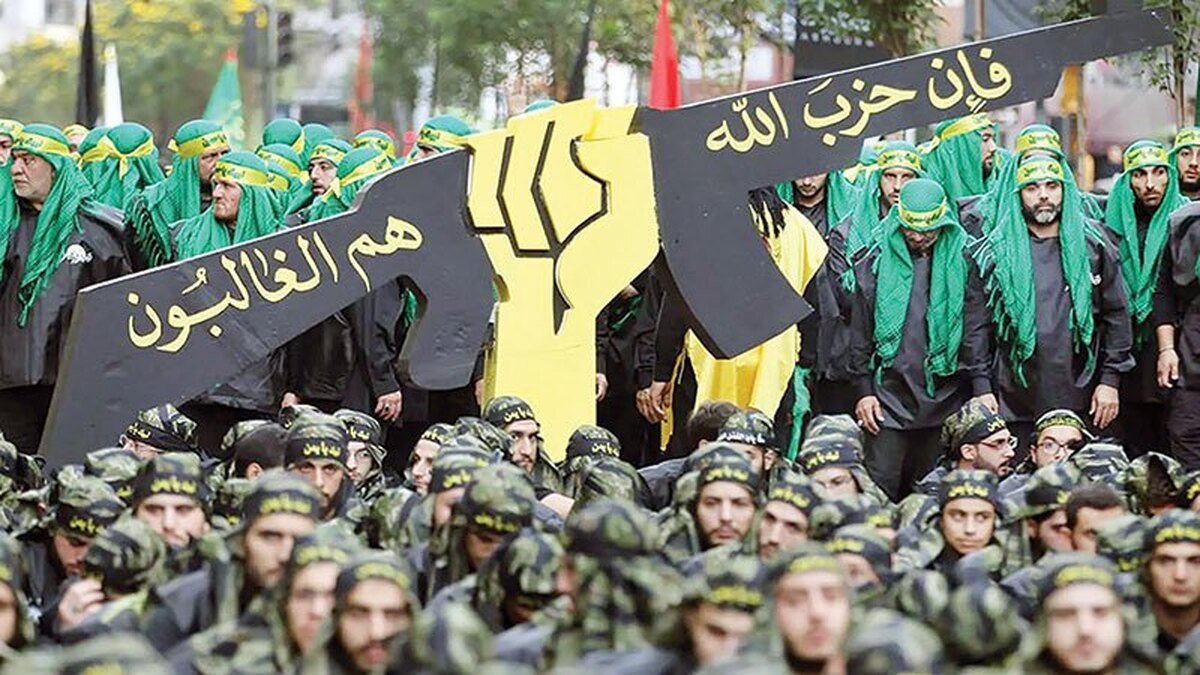
The Lebanese resistance, led by Hezbollah, has resolutely rejected all talks between the Beirut government and the Zionist regime. Sheikh Naim Qasim, Secretary General of Hezbollah, called these direct negotiations “a ridiculous and insulting show”, “absurd” and “surrendering and realizing the enemy’s goals” and emphasized that “we categorically reject direct negotiations with the usurping Zionist regime”. Referring to the continued aggression of the invaders, he declared that the resistance is only committed to “the complete cessation of attacks, a real ceasefire and the complete withdrawal of Israel from the Lebanese territory” and he considered the weapons of the resistance to be an internal issue of Lebanon, which has nothing to do with these negotiations. Other resistance officials have also described this process as “free concessions to the enemy” and have warned that such talks will put Lebanon in a cycle of instability. In line with this trend, Mahmoud Qomati, the deputy head of the Hezbollah Political Council, also described these talks as “surrender, failure and weak, failed and desperate” and declared that “these negotiations do not include us”. Other resistance officials also emphasize the position that the resistance is only committed to a real ceasefire, the complete cessation of aggression and the withdrawal of the occupiers from the Lebanese territory, and that the weapon of the resistance is the internal issue of Lebanon, which has no place in these negotiations. Vafiq Safa, a senior member of Hezbollah’s political council, has clearly stated that “we have no interest or attention in the results of these negotiations between Lebanon and the enemy of Israel. Hassan Fazullah, the representative of Hezbollah in the Lebanese parliament, also considered this process as “a clear violation of the national agreement, the constitution and the laws of Lebanon” and warned that such negotiations weaken national unity against the aggression of the Zionist regime. The resistance officials emphasize that these talks are under American pressure and in favor of the occupying regime and make Lebanon a tool of the enemy. Hizbullah, referring to the field and the power of deterrence, considers any imposed agreement to be illegitimate and insists on continuing the resistance until the realization of full sovereignty and the complete withdrawal of the occupiers.