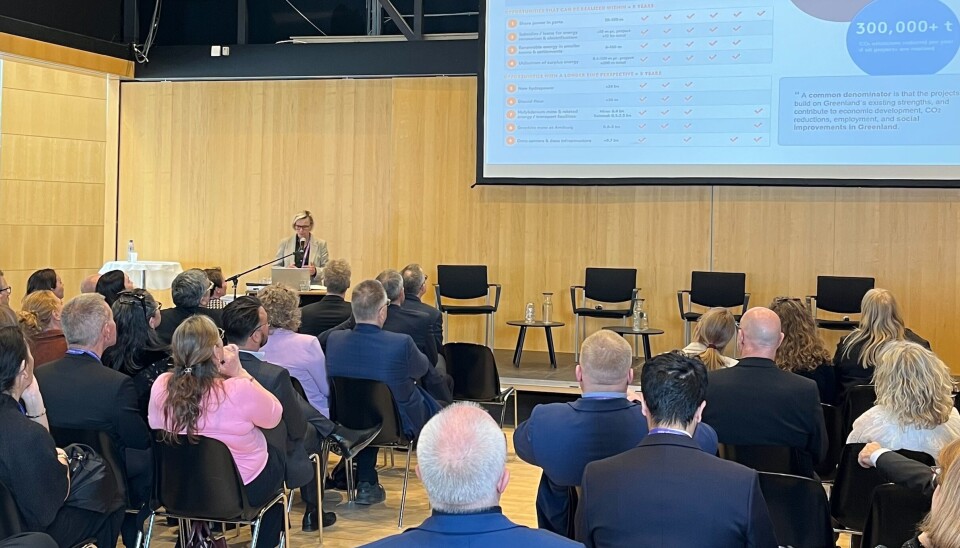
CIP Foundation was among the participants at this year’s Future Greenland conference, where they presented a number of sustainable energy and raw materials projects that, according to the company, can be initiated and create billions in tax revenue and a more robust and self-sustaining economy in Greenland.
Investment opportunities for DKK 40 billion. kroner
CIP Foundation was among the participants at this year’s Future Greenland conference, where they presented a number of sustainable energy and raw materials projects that, according to the company, can be initiated and create billions in tax revenue and a more robust and self-sustaining economy in Greenland.
Investment opportunities for DKK 40 billion. kroner
The investment catalogwhich has been created in collaboration with Greenland’s Business and Danish Industry, is based on a year’s work and around 50 dialogue meetings with companies, experts and organizations in Greenland. According to CIP, there are investment opportunities for over DKK 40 billion. DKK, of which more than DKK 12 billion DKK in projects that can be started within five years.
What the project ideas have in common is that they start from Greenland’s positions of strength and build on the initiatives that are already being worked on.
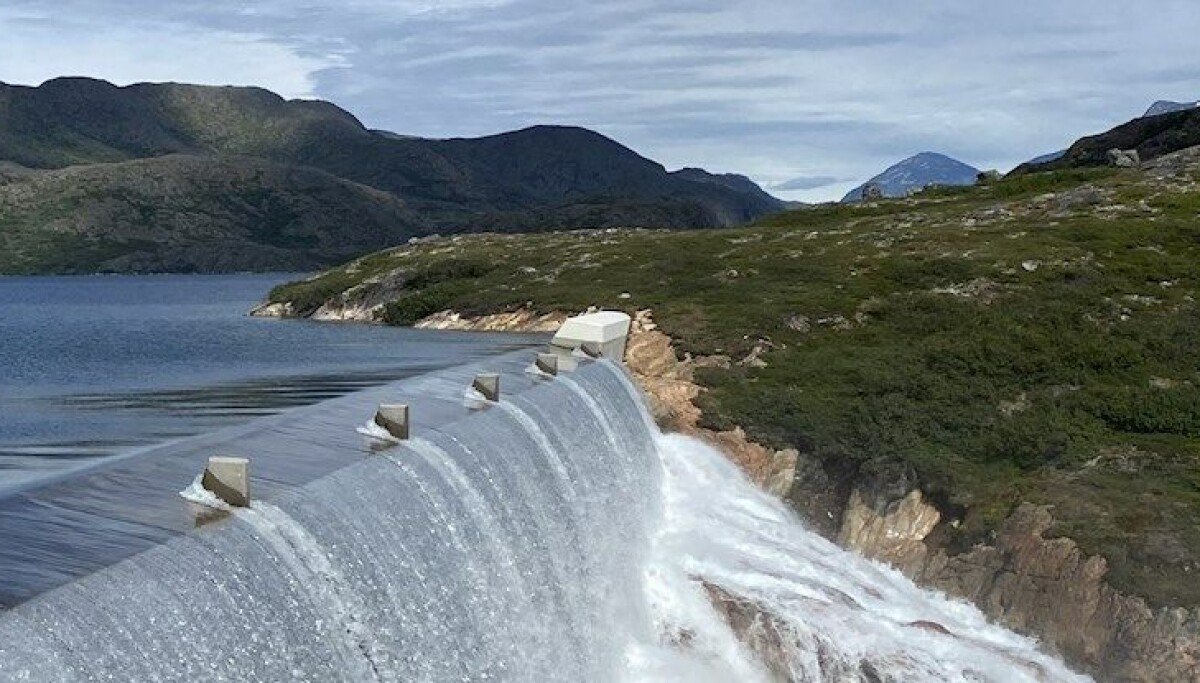
Water, solar and wind energy
Of investment opportunities in the short term – i.e. within five years – mention is made of the establishment of shore power at ports, a new pool of subsidies for energy renovation and electrification, renewable energy plants in smaller towns and settlements and utilization of surplus energy.
In the longer term, mention is made of new hydropower, the glacier flour project, the Molybdæn mine in East Greenland and related energy and transport facilities, the graphite mine at Amitsoq and finally data centers and data infrastructure.
Renewable energy plants in towns and villages
For many of the projects, according to CIP, it will be necessary to attract international capital and to mix public and private funding sources. The catalog also gives a number of suggestions on how it could be approached. Including a mapping of which EU programs could potentially support various projects, as well as a description of the possibilities for setting up an Arctic fund.
– In preparing the catalogue, we have emphasized building on Greenland’s positions of strength and taking as a starting point project ideas that are already being worked on in Greenland. And we have been very conscious that the catalog must reflect areas that are prioritized in Greenland. We are therefore very pleased with the interest in the presentation. We actually ran out of physical copies of the catalog and had to report sold out, says Charlotte Jepsen, who is a leading partner in the CIP Foundation, an organization founded by the investment company Copenhagen Infrastructure Partners.
– Renewable energy is the focal point for many of the project ideas and access to cheap hydropower plays an important role in this connection. With that starting point, there are 4 project ideas in the catalog which are obvious to start with, because they can be implemented relatively quickly: Small RE plants in the smaller cities/settlements, shore power in ports, energy renovations of buildings and electrification projects that can take power from the hydropower plants, says Charlotte Jepsen.
The Danish government must step in
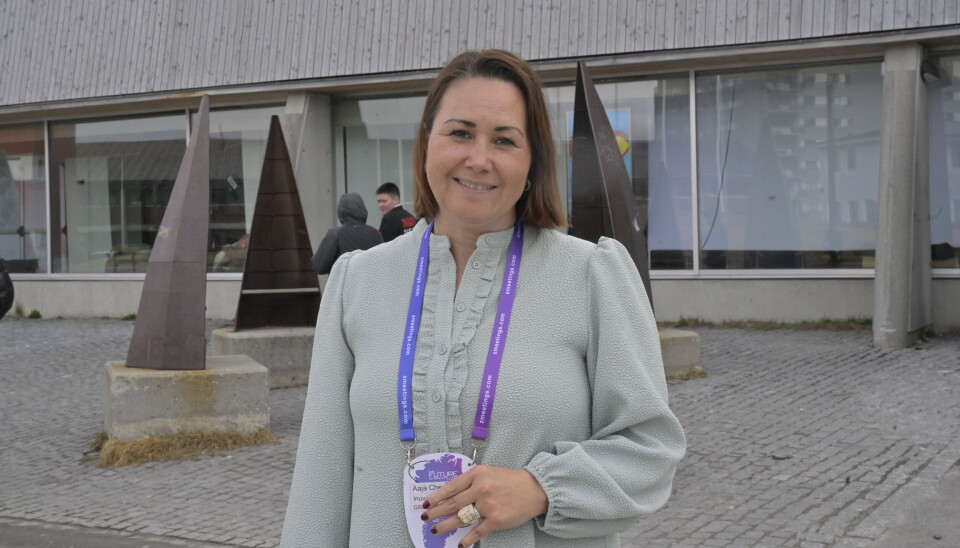
Former member of the Danish Parliament for IA, consultant in INUVA, Aaja Chemnitz, is one of the resource persons who have contributed professional sparring to the investment catalogue.
– I think it is interesting that you look more closely at these large-scale projects. But it is also an important point that we need small and medium-sized companies, which make up 90 percent of all companies in Greenland. This is obvious with public-private partnerships, and it requires the Danish government to step in and get involved in creating business development.
– There should be a clear Danish interest in Greenland earning more of its own money. It is fine with the subsidies that Greenland receives from Denmark and the EU, but it is crucial that we get business development started, which creates a better economy in the whole society, says Aaja Chemnitz