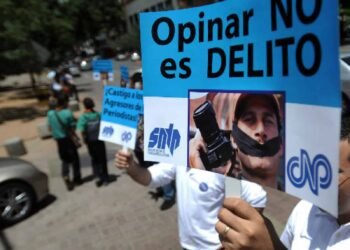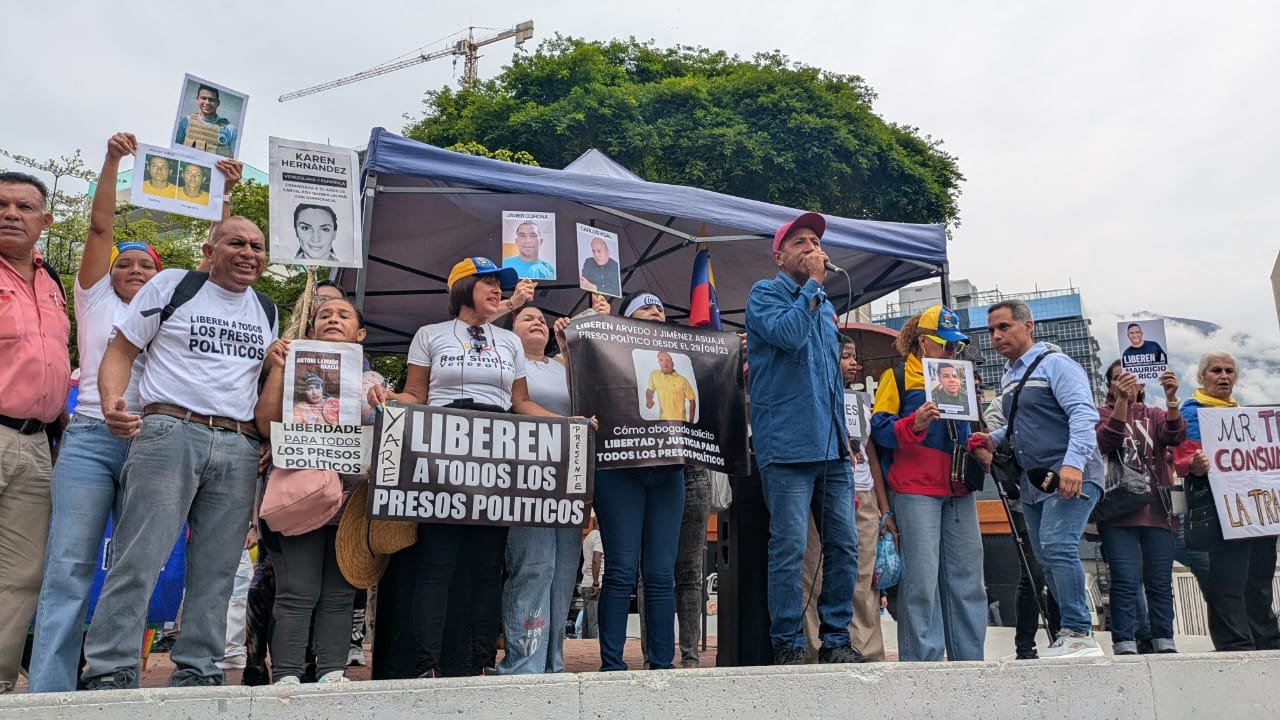
Workers, retirees and pensioners gathered this Thursday in the Plaza Alfredo Sadel in Las Mercedes, in the east of Caracas, in a mobilization called by the National Trade Union Coalition that sought to reach the United States Embassy.
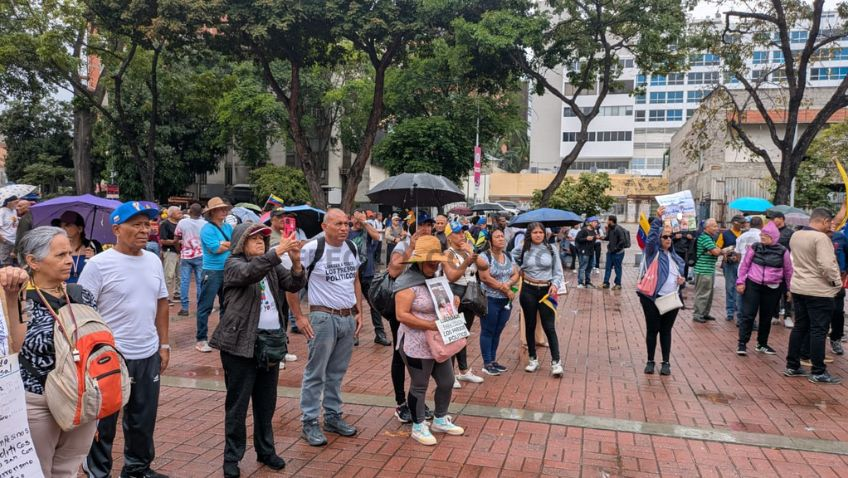
The activity took place peacefully, but without turning into a massive march through the streets, since early in the morning, heavy rain that did not let up for several hours meant that few protesters began to arrive at the square.
Little by little, groups began to join with Venezuelan flags, banners and slogans demanding a decent wage, a ticket basket with purchasing power, improvements in pensions and an end to union persecution.
A change of plans
The organizers had announced that the rally would leave from Las Mercedes to the US diplomatic headquarters to deliver a detailed document. In it they denounced the serious wage crisis (the minimum wage remains frozen at levels of less than a dollar a day), the repression suffered in the march on April 9 towards Miraflores, the release of political prisoners and the need for free and transparent elections. They also called for international attention on the management of oil resources.
However, after 11:00 am, the leaders reported that the complete march would not take place, because, as they explained, they had reliable information about the presence of infiltrators who could cause incidents or sabotage the activity and, furthermore, Laura Dogu, its main figure, who was removed this Wednesday from the position of chargé d’affaires, was no longer at the diplomatic headquarters.
For this reason, they decided to send only a commission of union representatives to the US Embassy, in Valle Arriba, while the bulk of the protesters remained concentrated in Alfredo Sadel Square.
Around noon, the commission—made up of leaders such as union leaders Carlos Salazar, José Patines and other spokespersons—went to the embassy to submit the request.
Environment and demands
The atmosphere was inviting, but orderly. No clashes with security forces or acts of repression were reported, unlike the mobilization of April 9, which was blocked with pepper spray and police cordons when it tried to approach Miraflores.
The union leaders insisted before a representative of the Embassy that this activity marks “a new stage of struggle” of the Venezuelan working class, which not only demands immediate economic improvements, but also a political change that allows them to recover purchasing power and democracy.
This is the second major union mobilization in less than ten days, amid growing discontent over the deterioration of working conditions and the prolonged wage freeze.
The workers indicated that, once the new charge d’affaires, John Barret, arrives in Venezuela, they will call the mobilization again, with a tentative date of April 30, to deliver the mediation requests to the deaf ears of the Delcy Rodríguez government.