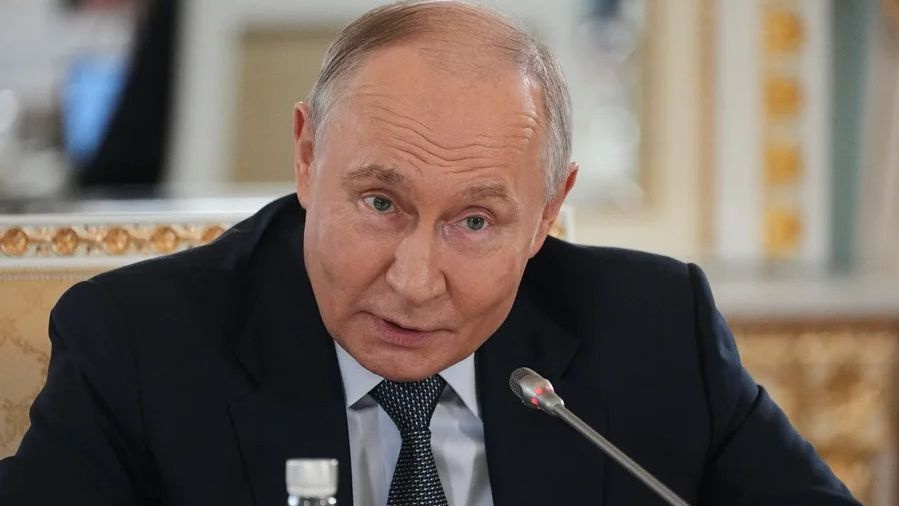
Madrid/Russian President Vladimir Putin admitted this Thursday that Moscow has maintained contacts with Washington about Cuba, amid speculation about a possible US operation against the island. The president did not offer details, but made it clear that the matter was discussed with the Donald Trump Administration.
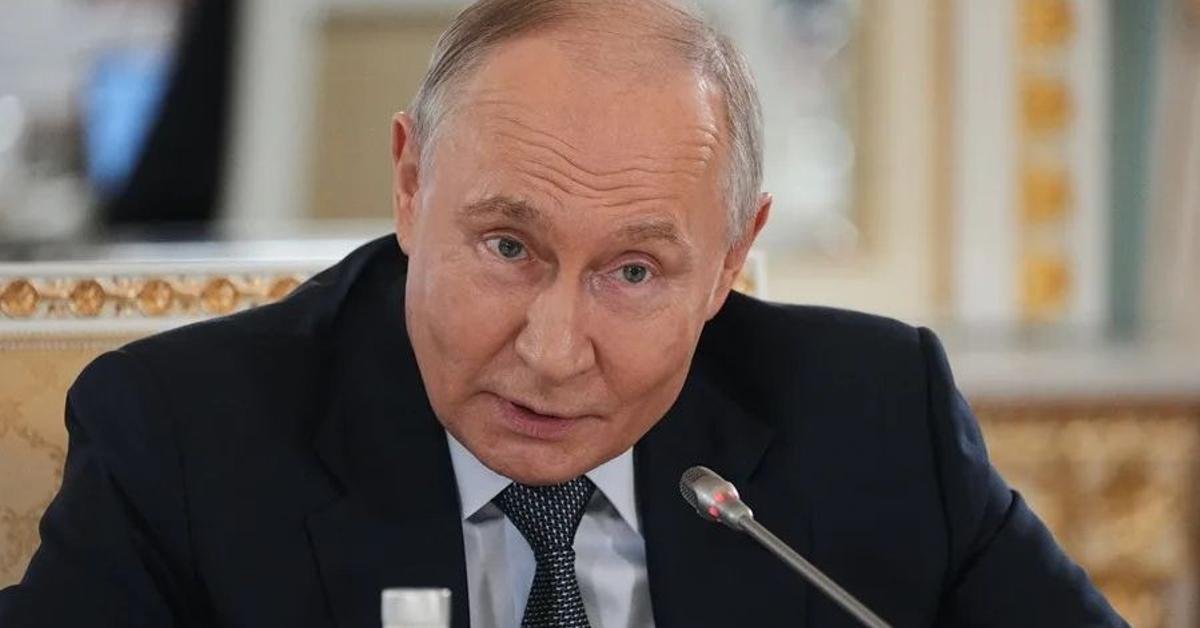
“In direct response to your question… You asked if we had had contacts with the US Administration on the Cuban issue. Yes, there were,” Putin said during a meeting with heads of international news agencies within the framework of the International Economic Forum in Saint Petersburg, according to the russian agency Interfax.
The head of the Kremlin avoided going further. “I would not like to continue commenting,” he added, before alluding to the Anatoly Kolodkinhe Russian tanker sanctioned by the United States that arrived in Cuba in March with some 100,000 tons of crude oil. “Cuba is a friendly country for us. Our relations have been traditionally formed for decades. The US Administration knows this. Our contacts with Cuba continue,” he stated.
“The issue of pressure on Cuba from Washington is present in our contacts with the Americans,” Riabkov said on June 1.
The EFE agency placed those words in the context of a question about a possible military operation in Cuba similar to the one carried out by the United States in Venezuela on January 3. According to the cable, Putin admitted having spoken with the US side about this scenario, although his public response was limited to confirming the contacts and avoiding any clarification about their content.
The Russian president’s statement comes a few days after his deputy foreign minister, Sergei Ryabkov, stated that Washington’s pressure on Havana was present in the talks between Moscow and the United States. “The issue of pressure on Cuba from Washington is present in our contacts with the Americans,” Ryabkov said on June 1.
The episode shows that Cuba has once again occupied a sensitive place on the board between Washington and Moscow. At the end of January, the White House declared that the actions of the Cuban government constituted an “unusual and extraordinary threat” to the national security and foreign policy of the United States. And the document accused Havana of collaborating with Russia, China, Iran, Hamas and Hezbollah, in addition to harboring foreign military and intelligence capabilities.
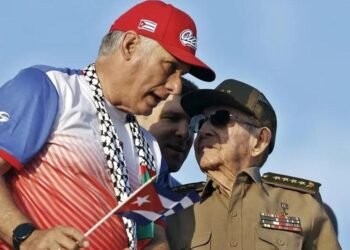
What brings the Cuban case closest to a possible “Venezuelan-style” operation is the accusation against Raúl Castro for his responsibility in the downing of the Hermanos al Rescate planes in 1996.
Since then, Washington has tightened sanctions, including pressure on fuel supplies to the Island. The effect has already been seen at sea. He Universal, another tanker sanctioned which was traveling to Cuba, interrupted its route since mid-April and remained adrift in the middle of the Atlantic, with almost 270,000 barrels of diesel, according to maritime tracking data cited by Bloomberg. His case reflects the caution of the vessels linked to the Island’s energy supply, in contrast to the Anatoly Kolodkinwhich did manage to unload Russian crude oil in March, with permission from the United States.
The tension has also moved to the military, intelligence and judicial fields. On May 14, CIA Director John Ratcliffe traveled to Havana for a rare meeting with senior Cuban officials. Two weeks later, on May 29, another unusual meeting occurred, this time between the head of the Southern Command, General Francis Donovan, and senior Cuban commanders. on the perimeter of the Guantánamo Naval Base.
What brings the Cuban case closest to a possible “Venezuelan-style” operation is the accusation against Raúl Castro for his responsibility in the downing of the Hermanos al Rescate planes in 1996. The Federal Prosecutor’s Office of the Southern District of Florida officially considers it a fugitiveafter he did not appear in court despite the current arrest warrant.