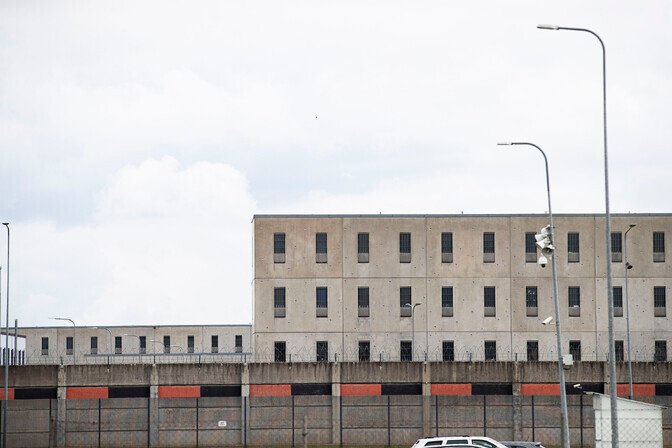
The Swedish Riksdag ratified a prison leasing agreement with Estonia, an important milestone to ease Sweden’s domestic overcrowding and preserve operations at Tartu Prison.
According to Estonian Minister of Justice and Digital Affairs Liisa-Ly Pakosta, the decision by the Swedish parliament confirms trust in Estonia’s prison system and in cooperation between the two countries.
“The decision by the Swedish parliament is an important step toward the agreement taking effect. Keeping Tartu Prison operational allows Estonia to preserve unique security and prison infrastructure and to strengthen the professional capacity of the prison service. This is cooperation that can only be based on mutual trust and serve the interests of both countries,” Pakosta said.
For the agreement to take effect, it must also be ratified by Estonia’s parliament. The Riigikogu’s final vote is scheduled for June 10, after which the document will be submitted to President Alar Karis for promulgation.

Once the agreement has been ratified by both countries, preparations for launching the cooperation will begin. These include operational arrangements, staff recruitment and training, and practical coordination between Estonian and Swedish prison services to receive inmates.
The first inmates are expected to arrive at Tartu Prison in August. The prison will be filled gradually, at a pace of up to 100 inmates per quarter.
Estonia and Sweden signed the prison leasing agreement on June 18, 2025. The agreement allows for the use of up to 400 cells at Tartu Prison to house as many as 600 Swedish inmates. The agreement has a duration of five years, with a possible extension of three years.
Inmates to be placed in Tartu Prison will be selected jointly by Estonian and Swedish authorities. Individuals convicted of terrorism offenses, as well as those assessed as likely to continue committing crimes while in prison, will not be transferred to Estonia. Minors and women will also not be accepted. The foreign inmates brought to Estonia will be adult men serving longer sentences, generally for violent or drug-related offenses.
All costs related to the foreign inmates will be covered by the Swedish state. No inmate will be released into Estonia; instead, they will be returned to Sweden before the end of their sentence.
—