Thursday, June 4, 2026
    The GeoStrategic Consensus
    No Result
    View All Result
    • Login
    • HOME
    • AMERICAS
      • Argentina
      • Brazil
      • Canada
      • Chile
      • Colombia
      • Costa Rica
      • Cuba
      • Dominican Republic
      • Ecuador
      • El Salvador
      • Greenland
      • Guatemala
      • Honduras
      • Mexico
      • Nicaragua
      • Panama
      • Paraguay
      • Peru
      • United States
      • Uruguay
      • Venezuela
    • ASIA-PACIFIC
      • Australia
      • Brunei Darussalam
      • Cambodia
      • China
      • Federated States of Micronesia
      • Fiji
      • Indonesia
      • Japan
      • Kiribati
      • Laos
      • Malaysia
      • Marshall Islands
      • Mongolia
      • Myanmar
      • Nauru
      • New Zealand
      • North Korea
      • Palau
      • Papua New Guinea
      • Philippines
      • Samoa
      • Singapore
      • Solomon Islands
      • South Korea
      • Taiwan
      • Thailand
      • Timor-Leste
      • Tonga
      • Tuvalu
      • Vanuatu
      • Vietnam
    • CARICOM
      • CARICOM – Non-English
        • Haiti
        • Suriname
      • CARICOM Associates
        • Anguilla
        • Bermuda
        • British-Virgin-Islands
        • Cayman-Islands
        • Curacao
        • Turks-and-Caicos
      • CARICOM English
        • Antigua and Barbuda
        • Barbados
        • Belize
        • Dominica
        • Grenada
        • Guyana
        • Jamaica
        • Montserrat
        • Saint Kitts and Nevis
        • Saint Lucia
        • Saint Vincent and the Grenadines
        • The Bahamas
        • Trinidad and Tobago
    • EURASIA
      • Armenia
      • Azerbaijan
      • Balarus
      • Georgia
      • Kazakhstan
      • Kyrgyzstan
      • Moldova
      • Russia
      • Tajikistan
      • Turkmenistan
      • Ukraine
      • Uzbekistan
    • EUROPE
      • Albania
      • Andorra
      • Austria
      • Bosnia and Herzegovina
      • Bulgaria
      • Croatia
      • Cyprus
      • Czech Republic
      • Denmark
      • Estonia
      • Finland
      • France
      • Germany
      • Greece
      • Holy See
      • Hungary
      • Iceland
      • Ireland
      • Italy
      • Kosovo
      • Latvia
      • Liechtenstein
      • Lithuania
      • Luxembourg
      • Malta
      • Monaco
      • Montenegro
      • Netherlands
      • North Macedonia
      • Norway
      • Poland
      • Portugal
      • Romania
      • San Marino
      • Serbia
      • Slovakia
      • Slovenia
      • Spain
      • Sweden
      • Switzerland
      • United Kingdom
    • MIDDLE EAST AND NORTH AFRICA
      • Algeria
      • Bahrain
      • Egypt
      • Iran
      • Iraq
      • Israel
      • Jordan
      • Kuwait
      • Lebanon
      • Lybia
      • Morocco
      • Oman
      • Palestinian Territories
      • Qatar
      • Saudi Arabia
      • Syria
      • Tunisia
      • Turkey
      • United Arab Emirates
      • Western Sahara
      • Yemen
    • SOUTH ASIA
      • Afghanistan
      • Bangladesh
      • Bhutan
      • India
      • Maldives
      • Nepal
      • Pakistan
      • Sri Lanka
    • SUB-SAHARAN AFRICA
      • Angola
      • Benin
      • Botswana
      • Burkina Faso
      • Burundi
      • Cabo Verde
      • Cameroon
      • Central African Republic
      • Chad
      • Comoros
      • Cote d’Ivoire
      • Democratic Republic of the Congo
      • Djibouti
      • Equatorial Guinea
      • Eritrea
      • Eswatini
      • Ethiopia
      • Gabon
      • Gambia
      • Ghana
      • Guinea
      • Guinea Bissau
      • Kenya
      • Lesotho
      • Liberia
      • Madagascar
      • Malawi
      • Mali
      • Mauritania
      • Mauritius
      • Mozambique
      • Namibia
      • Niger
      • Nigeria
      • Republic of the Congo
      • Rwanda
      • Sao Tome and Principe
      • Senegal
      • Seychelles
      • Sierra Leone
      • Somalia
      • South Africa
      • South Sudan
      • Sudan
      • Tanzania
      • Togo
      • Uganda
      • Zambia
      • Zimbabwe
    • HOME
    • AMERICAS
      • Argentina
      • Brazil
      • Canada
      • Chile
      • Colombia
      • Costa Rica
      • Cuba
      • Dominican Republic
      • Ecuador
      • El Salvador
      • Greenland
      • Guatemala
      • Honduras
      • Mexico
      • Nicaragua
      • Panama
      • Paraguay
      • Peru
      • United States
      • Uruguay
      • Venezuela
    • ASIA-PACIFIC
      • Australia
      • Brunei Darussalam
      • Cambodia
      • China
      • Federated States of Micronesia
      • Fiji
      • Indonesia
      • Japan
      • Kiribati
      • Laos
      • Malaysia
      • Marshall Islands
      • Mongolia
      • Myanmar
      • Nauru
      • New Zealand
      • North Korea
      • Palau
      • Papua New Guinea
      • Philippines
      • Samoa
      • Singapore
      • Solomon Islands
      • South Korea
      • Taiwan
      • Thailand
      • Timor-Leste
      • Tonga
      • Tuvalu
      • Vanuatu
      • Vietnam
    • CARICOM
      • CARICOM – Non-English
        • Haiti
        • Suriname
      • CARICOM Associates
        • Anguilla
        • Bermuda
        • British-Virgin-Islands
        • Cayman-Islands
        • Curacao
        • Turks-and-Caicos
      • CARICOM English
        • Antigua and Barbuda
        • Barbados
        • Belize
        • Dominica
        • Grenada
        • Guyana
        • Jamaica
        • Montserrat
        • Saint Kitts and Nevis
        • Saint Lucia
        • Saint Vincent and the Grenadines
        • The Bahamas
        • Trinidad and Tobago
    • EURASIA
      • Armenia
      • Azerbaijan
      • Balarus
      • Georgia
      • Kazakhstan
      • Kyrgyzstan
      • Moldova
      • Russia
      • Tajikistan
      • Turkmenistan
      • Ukraine
      • Uzbekistan
    • EUROPE
      • Albania
      • Andorra
      • Austria
      • Bosnia and Herzegovina
      • Bulgaria
      • Croatia
      • Cyprus
      • Czech Republic
      • Denmark
      • Estonia
      • Finland
      • France
      • Germany
      • Greece
      • Holy See
      • Hungary
      • Iceland
      • Ireland
      • Italy
      • Kosovo
      • Latvia
      • Liechtenstein
      • Lithuania
      • Luxembourg
      • Malta
      • Monaco
      • Montenegro
      • Netherlands
      • North Macedonia
      • Norway
      • Poland
      • Portugal
      • Romania
      • San Marino
      • Serbia
      • Slovakia
      • Slovenia
      • Spain
      • Sweden
      • Switzerland
      • United Kingdom
    • MIDDLE EAST AND NORTH AFRICA
      • Algeria
      • Bahrain
      • Egypt
      • Iran
      • Iraq
      • Israel
      • Jordan
      • Kuwait
      • Lebanon
      • Lybia
      • Morocco
      • Oman
      • Palestinian Territories
      • Qatar
      • Saudi Arabia
      • Syria
      • Tunisia
      • Turkey
      • United Arab Emirates
      • Western Sahara
      • Yemen
    • SOUTH ASIA
      • Afghanistan
      • Bangladesh
      • Bhutan
      • India
      • Maldives
      • Nepal
      • Pakistan
      • Sri Lanka
    • SUB-SAHARAN AFRICA
      • Angola
      • Benin
      • Botswana
      • Burkina Faso
      • Burundi
      • Cabo Verde
      • Cameroon
      • Central African Republic
      • Chad
      • Comoros
      • Cote d’Ivoire
      • Democratic Republic of the Congo
      • Djibouti
      • Equatorial Guinea
      • Eritrea
      • Eswatini
      • Ethiopia
      • Gabon
      • Gambia
      • Ghana
      • Guinea
      • Guinea Bissau
      • Kenya
      • Lesotho
      • Liberia
      • Madagascar
      • Malawi
      • Mali
      • Mauritania
      • Mauritius
      • Mozambique
      • Namibia
      • Niger
      • Nigeria
      • Republic of the Congo
      • Rwanda
      • Sao Tome and Principe
      • Senegal
      • Seychelles
      • Sierra Leone
      • Somalia
      • South Africa
      • South Sudan
      • Sudan
      • Tanzania
      • Togo
      • Uganda
      • Zambia
      • Zimbabwe
    No Result
    View All Result
    Agentially
    No Result
    View All Result
    Home EUROPE France

    9 tax traps for Americans in France to avoid

    The Analyst by The Analyst
    June 4, 2026
    in France


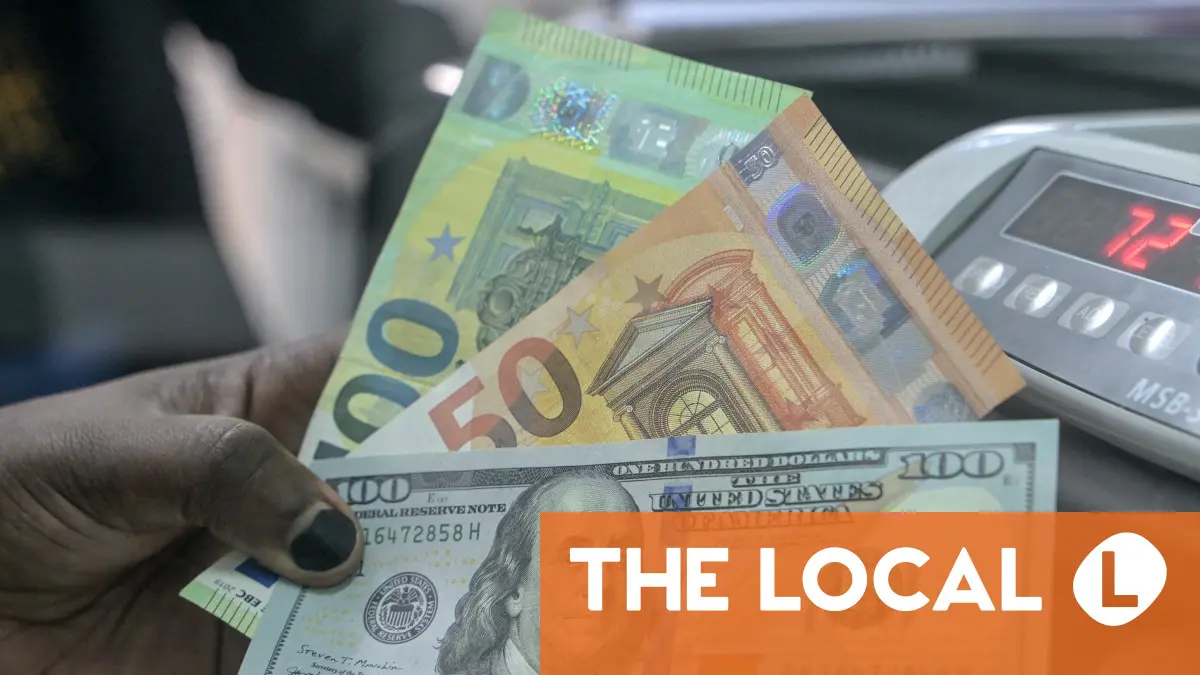
    Being an American in France makes tax season especially complicated due to the US policy of citizen-based taxation. The Local has come up with a list of the common tax traps Americans in France find themselves navigating.

    READ ALSO

    Accès restreint – Le Monde

    Accès restreint – Le Monde

    Tax can be complicated for anyone living in a different country – navigating a strange tax system and doing so in another language. But the US system of citizenship-based taxation makes life especially difficult for Americans abroad.

    Here are some issues that are a particular problem for Americans;

    Forgetting to file US taxes

    Americans and US green card holders must file US taxes yearly due to America’s citizenship-based taxation.

    Moving to France does not take you out of the reach of the IRS and you must continue to file in the US until you either die or renounce your US citizenship.

    However, just because you have already filed with the IRS doesn’t mean that you are exempt from France’s annual tax declaration (more on that below). Yes, you’re probably going to end up doing two tax returns per year – sorry, we didn’t make the rules! 

    READ MORE: Tax tips from Americans in France

    Misunderstanding whether or not you are a tax resident of France

    This concept is confusing for many people, as ‘tax residency’ and residency for immigration purposes are not the same thing.

    Tax residency can be an automatic status based on simply being in a country for a certain period of time.

    Residency for immigration purposes is different and is not automatically granted – if you are not an EU citizen (ie you’re British, American, Canadian etc) then you will need either a visa or a carte de séjour residency card in order to be legally resident in France. 

    According to the French government, you are a tax resident if you meet ANY of the following conditions;

    • Live in France 
    • Working or earning any kind of income in France
    • Have the centre of your economic interests in France

    The government’s definition of living in France is that France is your ‘main place of residence’ and it defines this as ‘you stay there more than six months of the year’ – so second-home owners should bear this in mind when planning how long to stay in France. 

    If you are seeking to avoid filing taxes in France, limiting yourself to under six months a year is not the only thing to consider. You also need to think about whether you are working in France, or whether you have your ‘main investments’ in France.

    READ MORE: The rules on tax residency in France

    Failing to file a French yearly income tax declaration

    Once you’ve established that you are resident in France, you need to be aware that everyone who lives in France must file an annual income tax declaration (déclaration des revenues) – even if they have no income in France.

    This frequently catches out retirees living on a US pension, who mistakenly believe that if they have no income in France they do not need to file the annual declaration. If you have no French income then you almost certainly won’t be liable for taxes here – but you still have to complete the annual declaration.

    The declaration also applies to salaried employees – most employees have their taxes deducted at source so some people, not unnaturally, believe that they don’t have to do the declaration. This is not the case, however;

    Forgetting to file taxes in France can have serious ramifications, including hefty fines if you failed to declare revenue streams. But if you did not know you needed to file and have never done so, do not fret. You can file retroactively for the previous three years but you will first need to get a ‘fiscal number’ (numéro fiscal).

    EXPLAINED: How to get a ‘numéro fiscal’ and create a French tax account

    The deadline to have your declaration completed is late May/early June depending on where you live and whether you are filing on paper or online.

    Failing to declare US bank accounts

    When filling out the aforementioned tax declaration the basic rule of thumb is that you have to declare all income – French and non-French. 

    It is important to note that declaring your income does not necessarily mean you will have to pay tax on it, thanks to dual tax treaties that save you from paying tax twice on the same income, but you still have to declare it.

    You also need to declare all non-French bank accounts, even if they are dormant or only have a few cents in them.

    READ MORE: Reader question: Do I need to declare my non-French bank accounts?

    As for internet bank accounts (eg Revolut, Wise, Bunq), the situation is a little tricky. In general you will have to declare these, as most companies are based outside France.

    The easiest way to know if you need to declare the account is to check the account’s IBAN (International Bank Account Number). If it starts with FR then it’s counted as a French account and you do not need to declare it. If it starts with different initials, such as BE for Belgium, then it’s a non-French account and you must declare it. 

    The bank accounts section of the tax declaration is easy to miss because it comes in the bit about stocks, shares and investment plans which you may assume does not relate to you. Failure to declare non-French accounts can lead to hefty fines.

    Failing to declare US-based trusts

    In the United States, setting up a trust is common practice – people might use them to reduce estate taxes, avoid the time and fees associated with probate court, as well giving more flexibility and control over your assets to determine when payments are given (perhaps for minor children or disabled adult children).

    Trusts are a common legal instrument for inheritance in the US – but in France they are less common and in fact are viewed with suspicion by tax authorities, which can cause problems for Americans in France who have a trust.

    If you are a tax resident in France, then your foreign trust(s) must be declared yearly as part of your annual tax declaration.

    Each year, you must fill out the “FORMULAIRE N°2181-TRUST2” which asks for the market value, as well as any accrued income, of the trust as of January 1st of that year. You will also have to name other people listed in the trust – whether they are ‘moral’ or ‘physical’ people. You will be required to give extensive information, including their dates of birth and addresses.

    You must also fill out an additional “event” declaration if a trust is created, modified or terminated. This must be done within one month of the event. This tax form is also available on the government tax site: FORMULAIRE N°2181-TRUST1.

    The maximum penalties for omission or incomplete reporting when it comes to trusts stood at €20,000.

    Once a trust pays out there are a few different scenarios on how you might be taxed on your trust in France, depending on which tax regime French fiscal authorities place it under: income, inheritance/ gift, and/or wealth tax.

    READ MORE: What Americans in France need to know about trusts

    Misunderstanding the US-France tax treaty

    The double-taxation treaty between the US and France is meant to prevent Americans from being taxed twice on the same income. In order to benefit from it, however, forms must be filled out correctly.

    Many Americans in France find themselves paying for professional help during tax season out of fear that they will incorrectly file or misunderstand complex US tax forms. But this is a specialist area, so it’s important to find an accountant or tax adviser with the correct qualifications and who is fully acquainted with both French and US tax laws.

    The Local gathered some tips from Americans living in France about dealing with tax requirements, and Christopher Tipton in Dordogne said: “You should consider getting help with the French tax declarations to ensure you are doing them correctly, and getting tax treaty benefits for US-sourced income.” 

    One respondent to a separate survey, one about citizenship-based taxation by SEAT said: “In many instances, taxpayers pay tax to both countries, sometimes incorrectly paying to the US due to lazy tax preparers who do not look for treaty exemptions, resulting in double taxation.”

    Understanding the implications of the double-taxation agreement – and filing correctly – is also important because you might qualify for some advantages.

    In a previous interview with The Local, tax expert, Jonathan Hadida called France “the bees’ knees for American retirees” due to the fact that US-sourced pension income is only taxed in the United States. 

    READ MORE: Ask the expert: What Americans in France need to know about 401(k) and other pensions

    Investing in Assurance Vie (or other PFICs) in France

    Because Americans are still under the purview of the IRS, they also need to be aware of several IRS policies that pertain to France and French products.

    Americans in France should know that the IRS considers the common French ‘Assurance Vie‘ package to be a Passive Foreign Investment Company (PFIC). These are pooled investments registered outside of the United States – for example a mutual fund, an exchange-traded fund (ETF), a hedge fund, or some insurance products (like the Assurance Vie).

    While the Assurance Vie is a great tool for being tax efficient for non-Americans, and can offer alternatives to the regimented, traditional French inheritance process, for Americans living in France it can lead to lengthy and complicated dealings with the IRS. 

    READ MORE: ‘Death by a thousand cuts’: Tax warning for Americans in France

    One respondent in the SEAT survey, who has been living in France for 23 years, reported that because she had failed to report PFICs to the IRS, she found herself owing over $16,000 to the IRS for unrealised capital gains.

    Not realising that you are ‘wealthy’

    You might think that if you are rich you would know about it, but France’s wealth tax can apply to foreigners who would not view themselves as being especially rich.

    The ‘wealth tax’ is a real estate tax and applies to assets worth €1.3 million or more. This clearly won’t apply to most people, but if you own property in California, New York City or any other part of the US  that has seen rapidly rising property values in recent years then you may find yourself liable for the higher rate of ‘wealth tax’ in France.

    READ ALSO How France’s wealth tax works

    Whether you pay it or not also depends on how long you have lived in France. 

    Not realising you may owe ‘social charges’ in France

    The French system recognises taxes (impôts) and social contributions/ charges (cotisations) as separate things. While you may not owe tax in France, you may have to pay for cotisations.

    One common cotisation is the CSM (cotisation subsidiaire maladie). This is a healthcare charge, but it’s not related to whether or not you have used the French healthcare system in the past year, or even whether or not you are registered in the French system.

    The most common group of people who find themselves paying a cotisation subsidiaire maladie (CSM) are early retirees living off investment or real estate income, who have never worked in France.

    If you find yourself paying social charges in France, you may be able to qualify for tax credits in the United States.

    READ MORE: Cotisations: Why you might get an unexpected French health bill

    What to do if you have made a mistake

    So what should you do if you get to the end of this article and realise that you have fallen in to one of these tax traps?

    Well, don’t panic – French tax office employees are usually surprisingly nice and helpful, you can visit your local tax office on a walk-in basis and if you simply admit that you have made a mistake and ask for help in putting it right you are unlikely to face stiff penalties.

    Fines and late fees are much more likely if you wait for them to catch up with you.

    You can read more advice on what to do if you realise you have messed up on your French taxes HERE.




    Source link

    Related Posts

    Accès restreint – Le Monde
    France

    Accès restreint – Le Monde

    June 4, 2026
    Accès restreint – Le Monde
    France

    Accès restreint – Le Monde

    June 4, 2026
    Can an airport concierge service help you with EES in France?
    France

    Can an airport concierge service help you with EES in France?

    June 4, 2026
    Accès restreint – Le Monde
    France

    Accès restreint – Le Monde

    June 4, 2026
    French films with English subtitles to watch in June 2026
    France

    French films with English subtitles to watch in June 2026

    June 4, 2026
    Accès restreint – Le Monde
    France

    Accès restreint – Le Monde

    June 4, 2026
    Next Post
    Accès restreint – Le Monde

    Accès restreint - Le Monde

    POPULAR NEWS

    E-scooter rules vary widely across Finnish cities, report finds | Yle News

    E-scooter rules vary widely across Finnish cities, report finds | Yle News

    June 3, 2026
    Supported by Trump’s son – now the doping Olympics are decided

    Supported by Trump’s son – now the doping Olympics are decided

    June 3, 2026
    The EAEU countries called on Armenia to hold a referendum on joining the European Union

    The EAEU countries called on Armenia to hold a referendum on joining the European Union

    June 3, 2026
    Artim Islami and Feuzi Xhaferi proposed as members of the Judicial Council

    Artim Islami and Feuzi Xhaferi proposed as members of the Judicial Council

    June 4, 2026
    Did the French inform Montenegro about the plane with the alleged criminals from Serbia?

    Did the French inform Montenegro about the plane with the alleged criminals from Serbia?

    June 4, 2026

    EDITOR'S PICK

    The war in the Middle East – an asymmetric global shock

    The war in the Middle East – an asymmetric global shock

    June 3, 2026

    Why should potatoes be covered with boiling water before frying?

    June 4, 2026
    Lithium: court accepts precautionary measure and stops easement for Barroso mine | Boticas

    Lithium: court accepts precautionary measure and stops easement for Barroso mine | Boticas

    June 4, 2026

    Andrew Parsons | Dr ChatGPT now remarkably good at making diagnosis…but doctors still better at treatment decisions | Commentary

    June 3, 2026

    Recent Posts

    • Artim Islami and Feuzi Xhaferi proposed as members of the Judicial Council
    • Did the French inform Montenegro about the plane with the alleged criminals from Serbia?
    • Contracts of almost one billion euros for MAI. What equipment do the Police, Gendarmerie and firemen equip themselves with?
    • Three names remained in the race for premiership. Nicușor Dan will call the parties to consultations on Tuesday SOURCES

      © 2026 Agentially - Navigating shifting sovereignties and global risk .

      Welcome Back!

      Login to your account below

      Forgotten Password?

      Retrieve your password

      Please enter your username or email address to reset your password.

      Log In
      No Result
      View All Result

        © 2026 Agentially - Navigating shifting sovereignties and global risk .

        This website uses cookies. By continuing to use this website you are giving consent to cookies being used. Visit our Privacy and Cookie Policy.