Farmer Issa Al-Mousa walks among damaged ears of wheat on his land in the village of Al-Kharta in Sharq Syria After it was submerged in water Euphrates River Following an unprecedented rise in its level in decades, a phenomenon that the Syrian authorities attributed to an increase in the flow of water from Türkiye and large amounts of rain.
In recent days, the authorities warned of an “exceptional” rise of about four metres, the highest in 30 years, in the water level of the Euphrates River, which originates in Turkey and crosses the provinces of Raqqa and Deir ez-Zor to reach… Iraq.
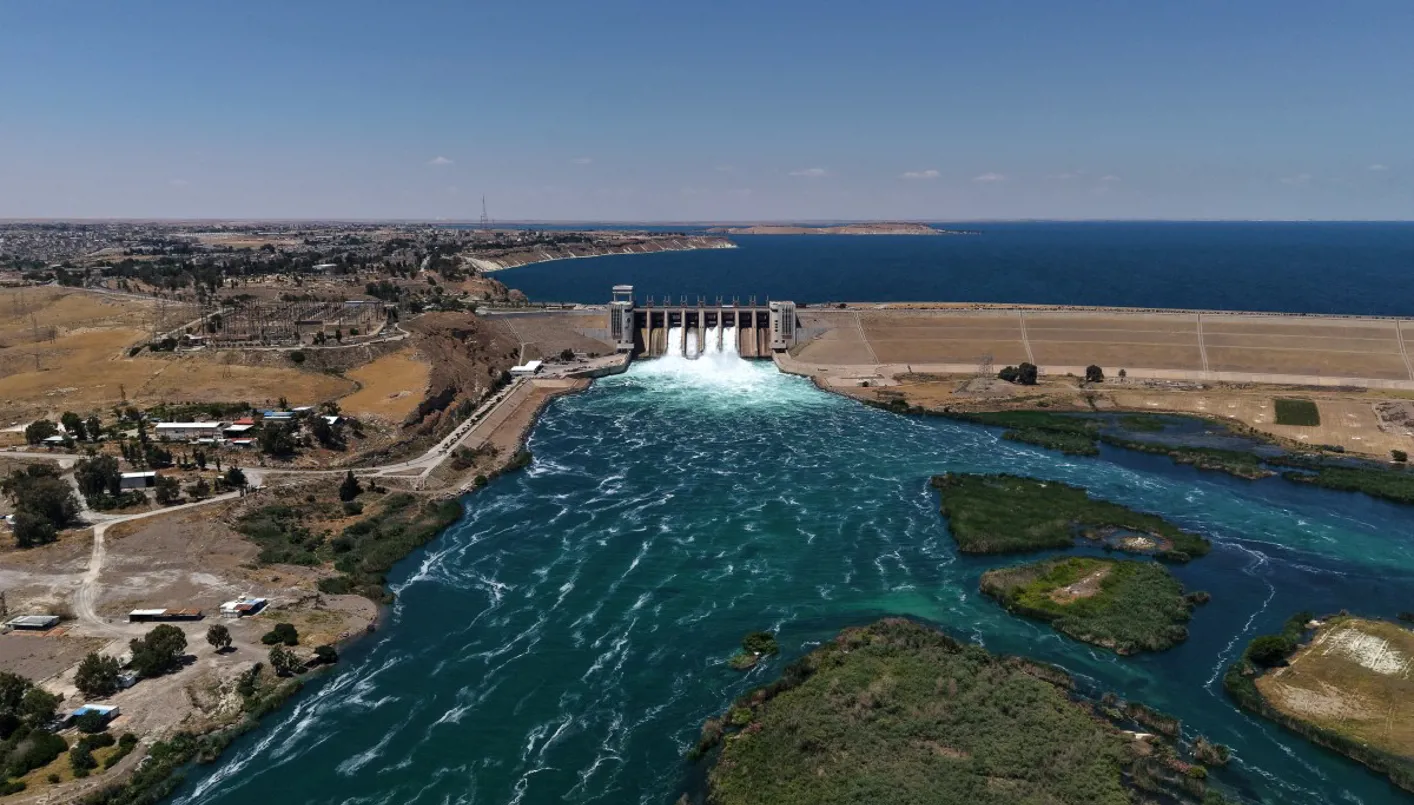
No official Turkish position has been issued on this matter, but the media reported Turkish It quoted official sources as saying that the authorities appointed in Türkiye carried out “controlled water releases” from the Ataturk Dam on the Euphrates River, after its levels rose due to heavy rains in recent months.
Euphrates River Dam (AFP)
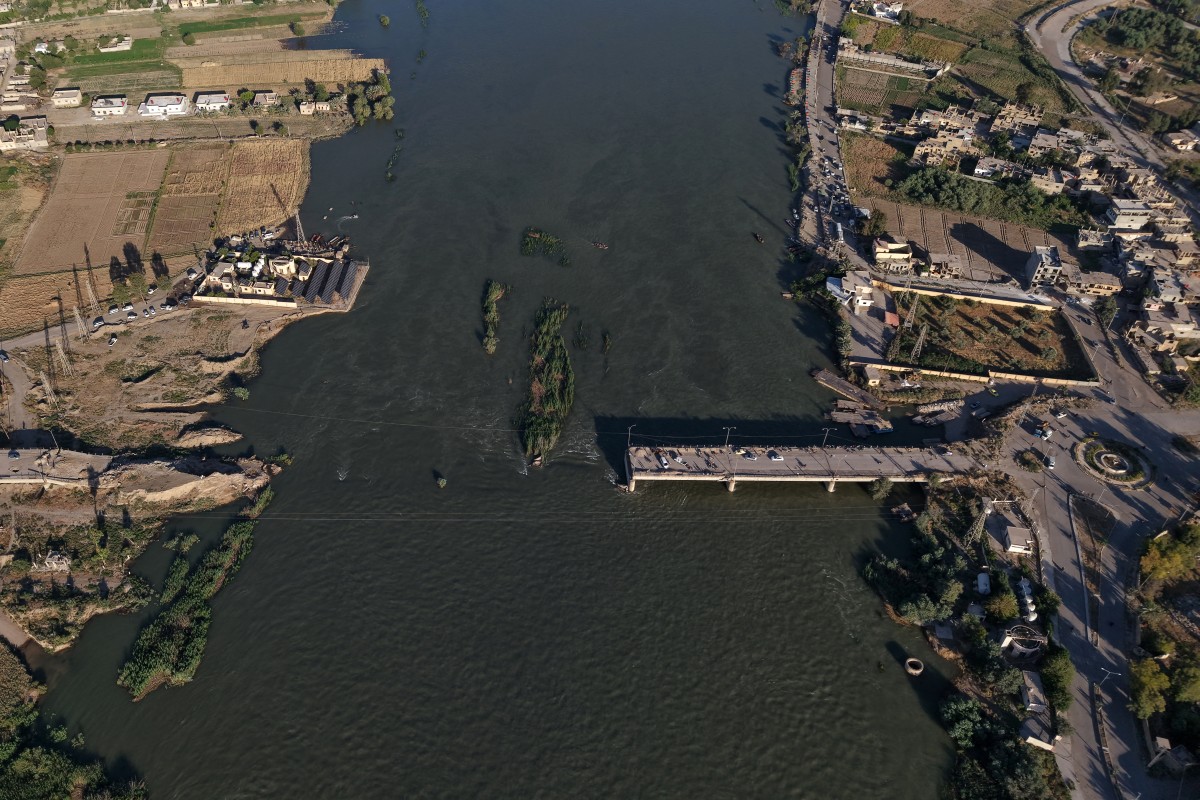
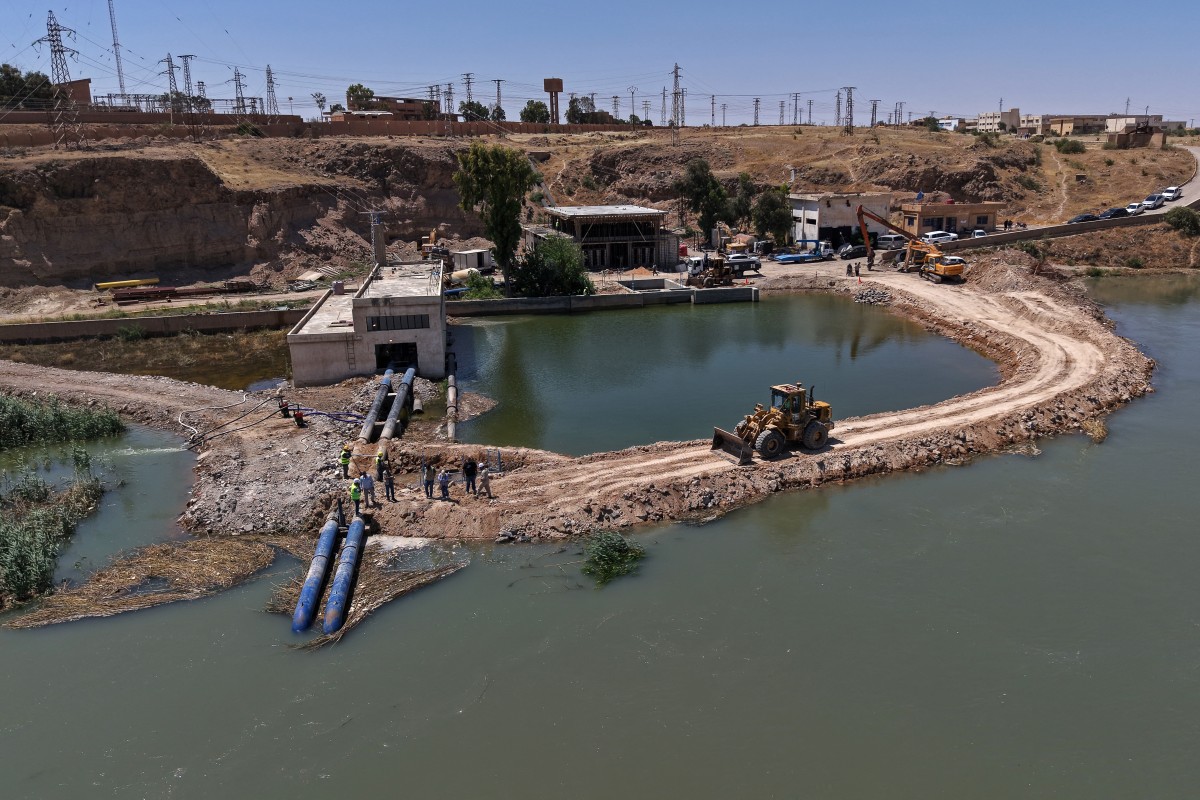
The water flooded agricultural lands in eastern Syria and homes, putting bridges and crossings out of service and disrupting the operation of water pumping stations for drinking and irrigation.
Al-Mousa told Agence France-Presse from his land, part of which is still submerged in water: “I cultivated my land, an area of six dunams (6 thousand square metres), and each dunam cost me a million liras (about 75 dollars)… This land is gone.”
The man, whose wheat crop was destroyed and who has no other source of income to feed his family, adds, “Every day I come and see three or four times…and I feel sad.”
According to the Syrian Ministry of Energy, the rise in water levels is due to “the current heavy rainy season and the opening of the spillway gates in the dams located on the river’s course inside Turkish territory.”
In his village located in Deir ez-Zor Governorate, whose rural population depends on agriculture as their main source of livelihood, water covered large areas of agricultural land, while farmers stood in the fields inspecting their losses and some homes were surrounded by water.
The authorities have not yet issued an estimate of the percentage of destroyed crops, but they estimated the area of land that was flooded with water in Deir ez-Zor at about five thousand dunums (five square kilometers), in addition to about 1,500 dunums (one and a half square kilometers) in the village of Al-Mahukiyah in Raqqa.
Al-Mousa says, “No one knows when this water will dry up,” calling on the government, like other farmers in the region, to “compensate us, support the farmers, raise the prices of wheat and cotton, and support us with fertilizer, medicine, and fuel.”
Boats instead of bridges
Farmers in Deir ez-Zor confirm that the warning time was not sufficient to transport equipment or save crops.
Issa Al-Mousa says, “We were not informed that the dams would be opened. Our lands are gone.”
Syrian Energy Minister Muhammad al-Bashir said a few days ago, “Türkiye’s warning to us about the rise in water levels of the Euphrates River was too late.”
In addition to destroying crops, the rise in the Euphrates level caused “about 60 water pumping stations” to be out of service, according to the General Director of the Water Company, Engineer Ahmed Al-Moussa, who told AFP.
On the banks of the river, Hamad Al-Saadoun, a resident of Al-Kharta village, points to a temporary dirt bridge that collapsed due to the rising levels.
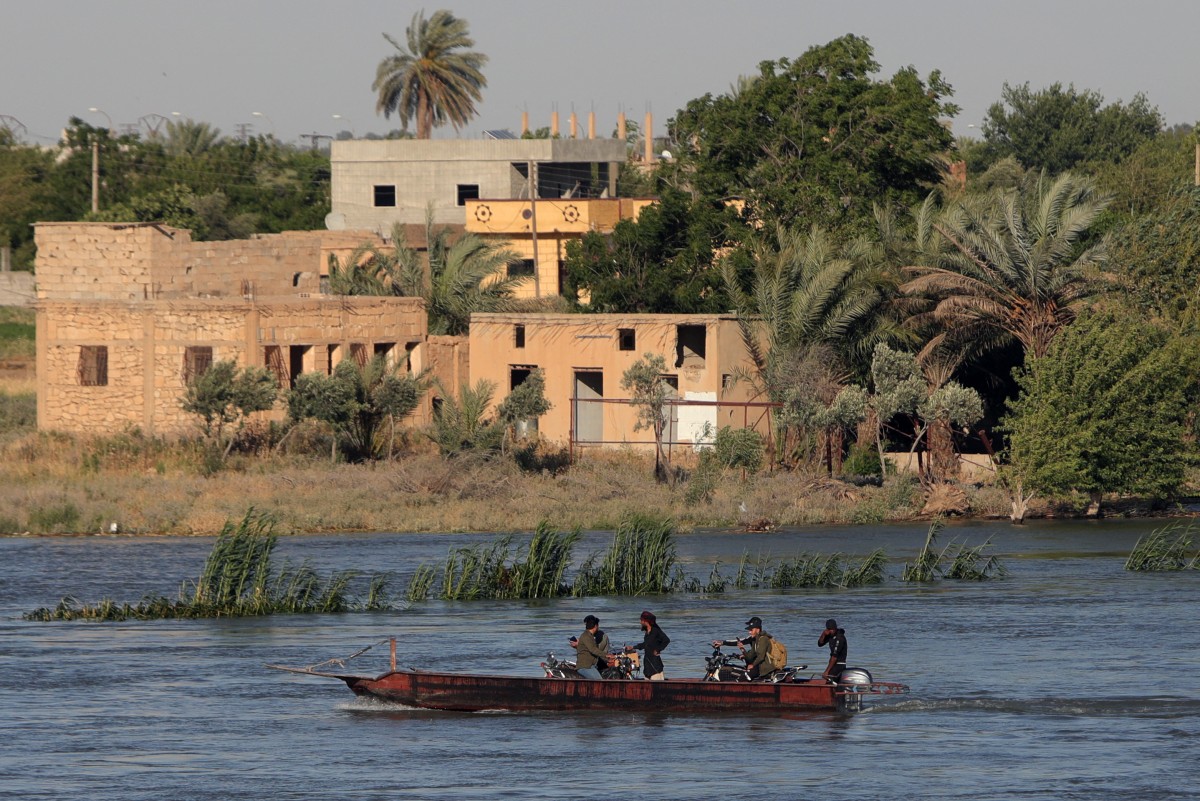
He says, “We suffer from crossing from one bank to another… People are now moving via dangerous boats as well, as long as the waters do not calm down.”
While residents were moving in small boats from one bank to another, members of the army and civil defense were helping some cross or transporting emergency cases.
No harvest
This unprecedented situation prompted the Syrian authorities to raise the readiness of emergency teams, civil defense, and local authorities, and to carry out the work of consolidating earth berms and evacuating areas when necessary.
Measures were also taken to reduce the amount of water, as the Ministry of Energy announced the closure of the fourth gate of the dam’s spillway, which reduced the amount of water flowing to about 1,400 cubic meters per second.
The Water Resources Directorate in Raqqa announced on Sunday that the level of the Euphrates had dropped by about 60 centimeters within 24 hours, but the gradual decline has not yet ended the crisis.
In other parts of the village, water suddenly crept into homes at night.
Muhammad Khader Al-Hussein (27 years old) said, “The water came to us suddenly. We were sleeping and saw the water flowing and we went out into the open… We left our cars, our livelihood, our homes, and our farms… We had nothing left.”
The man continues, “We farmers live season after season. We borrow at the beginning and wait for the harvest to pay what we owe. Today our loss is double: our money is gone, our crop is gone, and the wheat is no longer fit for harvest.”