Thursday, June 4, 2026
    The GeoStrategic Consensus
    No Result
    View All Result
    • Login
    • HOME
    • AMERICAS
      • Argentina
      • Brazil
      • Canada
      • Chile
      • Colombia
      • Costa Rica
      • Cuba
      • Dominican Republic
      • Ecuador
      • El Salvador
      • Greenland
      • Guatemala
      • Honduras
      • Mexico
      • Nicaragua
      • Panama
      • Paraguay
      • Peru
      • United States
      • Uruguay
      • Venezuela
    • ASIA-PACIFIC
      • Australia
      • Brunei Darussalam
      • Cambodia
      • China
      • Federated States of Micronesia
      • Fiji
      • Indonesia
      • Japan
      • Kiribati
      • Laos
      • Malaysia
      • Marshall Islands
      • Mongolia
      • Myanmar
      • Nauru
      • New Zealand
      • North Korea
      • Palau
      • Papua New Guinea
      • Philippines
      • Samoa
      • Singapore
      • Solomon Islands
      • South Korea
      • Taiwan
      • Thailand
      • Timor-Leste
      • Tonga
      • Tuvalu
      • Vanuatu
      • Vietnam
    • CARICOM
      • CARICOM – Non-English
        • Haiti
        • Suriname
      • CARICOM Associates
        • Anguilla
        • Bermuda
        • British-Virgin-Islands
        • Cayman-Islands
        • Curacao
        • Turks-and-Caicos
      • CARICOM English
        • Antigua and Barbuda
        • Barbados
        • Belize
        • Dominica
        • Grenada
        • Guyana
        • Jamaica
        • Montserrat
        • Saint Kitts and Nevis
        • Saint Lucia
        • Saint Vincent and the Grenadines
        • The Bahamas
        • Trinidad and Tobago
    • EURASIA
      • Armenia
      • Azerbaijan
      • Balarus
      • Georgia
      • Kazakhstan
      • Kyrgyzstan
      • Moldova
      • Russia
      • Tajikistan
      • Turkmenistan
      • Ukraine
      • Uzbekistan
    • EUROPE
      • Albania
      • Andorra
      • Austria
      • Bosnia and Herzegovina
      • Bulgaria
      • Croatia
      • Cyprus
      • Czech Republic
      • Denmark
      • Estonia
      • Finland
      • France
      • Germany
      • Greece
      • Holy See
      • Hungary
      • Iceland
      • Ireland
      • Italy
      • Kosovo
      • Latvia
      • Liechtenstein
      • Lithuania
      • Luxembourg
      • Malta
      • Monaco
      • Montenegro
      • Netherlands
      • North Macedonia
      • Norway
      • Poland
      • Portugal
      • Romania
      • San Marino
      • Serbia
      • Slovakia
      • Slovenia
      • Spain
      • Sweden
      • Switzerland
      • United Kingdom
    • MIDDLE EAST AND NORTH AFRICA
      • Algeria
      • Bahrain
      • Egypt
      • Iran
      • Iraq
      • Israel
      • Jordan
      • Kuwait
      • Lebanon
      • Lybia
      • Morocco
      • Oman
      • Palestinian Territories
      • Qatar
      • Saudi Arabia
      • Syria
      • Tunisia
      • Turkey
      • United Arab Emirates
      • Western Sahara
      • Yemen
    • SOUTH ASIA
      • Afghanistan
      • Bangladesh
      • Bhutan
      • India
      • Maldives
      • Nepal
      • Pakistan
      • Sri Lanka
    • SUB-SAHARAN AFRICA
      • Angola
      • Benin
      • Botswana
      • Burkina Faso
      • Burundi
      • Cabo Verde
      • Cameroon
      • Central African Republic
      • Chad
      • Comoros
      • Cote d’Ivoire
      • Democratic Republic of the Congo
      • Djibouti
      • Equatorial Guinea
      • Eritrea
      • Eswatini
      • Ethiopia
      • Gabon
      • Gambia
      • Ghana
      • Guinea
      • Guinea Bissau
      • Kenya
      • Lesotho
      • Liberia
      • Madagascar
      • Malawi
      • Mali
      • Mauritania
      • Mauritius
      • Mozambique
      • Namibia
      • Niger
      • Nigeria
      • Republic of the Congo
      • Rwanda
      • Sao Tome and Principe
      • Senegal
      • Seychelles
      • Sierra Leone
      • Somalia
      • South Africa
      • South Sudan
      • Sudan
      • Tanzania
      • Togo
      • Uganda
      • Zambia
      • Zimbabwe
    • HOME
    • AMERICAS
      • Argentina
      • Brazil
      • Canada
      • Chile
      • Colombia
      • Costa Rica
      • Cuba
      • Dominican Republic
      • Ecuador
      • El Salvador
      • Greenland
      • Guatemala
      • Honduras
      • Mexico
      • Nicaragua
      • Panama
      • Paraguay
      • Peru
      • United States
      • Uruguay
      • Venezuela
    • ASIA-PACIFIC
      • Australia
      • Brunei Darussalam
      • Cambodia
      • China
      • Federated States of Micronesia
      • Fiji
      • Indonesia
      • Japan
      • Kiribati
      • Laos
      • Malaysia
      • Marshall Islands
      • Mongolia
      • Myanmar
      • Nauru
      • New Zealand
      • North Korea
      • Palau
      • Papua New Guinea
      • Philippines
      • Samoa
      • Singapore
      • Solomon Islands
      • South Korea
      • Taiwan
      • Thailand
      • Timor-Leste
      • Tonga
      • Tuvalu
      • Vanuatu
      • Vietnam
    • CARICOM
      • CARICOM – Non-English
        • Haiti
        • Suriname
      • CARICOM Associates
        • Anguilla
        • Bermuda
        • British-Virgin-Islands
        • Cayman-Islands
        • Curacao
        • Turks-and-Caicos
      • CARICOM English
        • Antigua and Barbuda
        • Barbados
        • Belize
        • Dominica
        • Grenada
        • Guyana
        • Jamaica
        • Montserrat
        • Saint Kitts and Nevis
        • Saint Lucia
        • Saint Vincent and the Grenadines
        • The Bahamas
        • Trinidad and Tobago
    • EURASIA
      • Armenia
      • Azerbaijan
      • Balarus
      • Georgia
      • Kazakhstan
      • Kyrgyzstan
      • Moldova
      • Russia
      • Tajikistan
      • Turkmenistan
      • Ukraine
      • Uzbekistan
    • EUROPE
      • Albania
      • Andorra
      • Austria
      • Bosnia and Herzegovina
      • Bulgaria
      • Croatia
      • Cyprus
      • Czech Republic
      • Denmark
      • Estonia
      • Finland
      • France
      • Germany
      • Greece
      • Holy See
      • Hungary
      • Iceland
      • Ireland
      • Italy
      • Kosovo
      • Latvia
      • Liechtenstein
      • Lithuania
      • Luxembourg
      • Malta
      • Monaco
      • Montenegro
      • Netherlands
      • North Macedonia
      • Norway
      • Poland
      • Portugal
      • Romania
      • San Marino
      • Serbia
      • Slovakia
      • Slovenia
      • Spain
      • Sweden
      • Switzerland
      • United Kingdom
    • MIDDLE EAST AND NORTH AFRICA
      • Algeria
      • Bahrain
      • Egypt
      • Iran
      • Iraq
      • Israel
      • Jordan
      • Kuwait
      • Lebanon
      • Lybia
      • Morocco
      • Oman
      • Palestinian Territories
      • Qatar
      • Saudi Arabia
      • Syria
      • Tunisia
      • Turkey
      • United Arab Emirates
      • Western Sahara
      • Yemen
    • SOUTH ASIA
      • Afghanistan
      • Bangladesh
      • Bhutan
      • India
      • Maldives
      • Nepal
      • Pakistan
      • Sri Lanka
    • SUB-SAHARAN AFRICA
      • Angola
      • Benin
      • Botswana
      • Burkina Faso
      • Burundi
      • Cabo Verde
      • Cameroon
      • Central African Republic
      • Chad
      • Comoros
      • Cote d’Ivoire
      • Democratic Republic of the Congo
      • Djibouti
      • Equatorial Guinea
      • Eritrea
      • Eswatini
      • Ethiopia
      • Gabon
      • Gambia
      • Ghana
      • Guinea
      • Guinea Bissau
      • Kenya
      • Lesotho
      • Liberia
      • Madagascar
      • Malawi
      • Mali
      • Mauritania
      • Mauritius
      • Mozambique
      • Namibia
      • Niger
      • Nigeria
      • Republic of the Congo
      • Rwanda
      • Sao Tome and Principe
      • Senegal
      • Seychelles
      • Sierra Leone
      • Somalia
      • South Africa
      • South Sudan
      • Sudan
      • Tanzania
      • Togo
      • Uganda
      • Zambia
      • Zimbabwe
    No Result
    View All Result
    Agentially
    No Result
    View All Result
    Home CARICOM CARICOM English Grenada

    The Archbishop and the Chambermaid

    The Analyst by The Analyst
    June 4, 2026
    in Grenada
    The Archbishop and the Chambermaid


    by Ron Cheong

    READ ALSO

    Grenada hosts validation workshop for Citizen’s Guide to Climate Change Adaptation

    Anderson Peters starts 2026 Diamond League campaign with Rabat victory

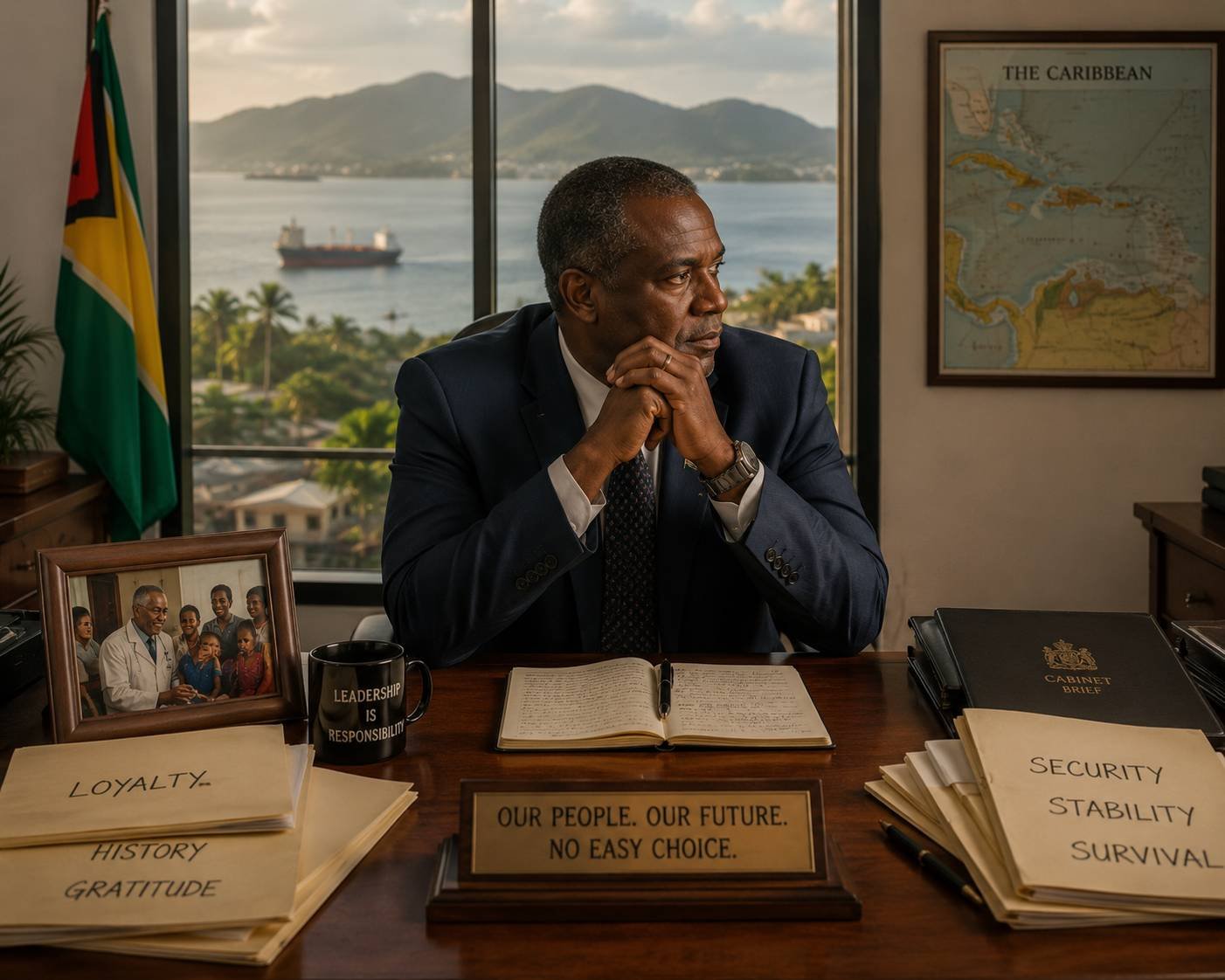
    For much of the modern postcolonial era, the Caribbean has lived inside a permanent contradiction.

    Its small states speak the language of sovereignty, solidarity, anti-imperialism, and regional fraternity. Yet they survive in a world dominated by overwhelming asymmetries of power — economic, military, and political. No contradiction illustrates this more painfully than the Caribbean’s present dilemma regarding Cuba, Venezuela, and the United States.

    At one level, the issue appears binary: remain loyal to Cuba, the region’s long-time friend and benefactor, or align more closely with the United States, the hemisphere’s dominant superpower. But the reality is far more complicated because Venezuela sits at the centre of the equation — economically, ideologically, geographically, and militarily.

    The Caribbean today is caught between gratitude, fear, morality, and survival.

    Cuba: The loyal friend

    For decades, Cuba did what few larger nations ever bothered to do for the Caribbean.

    Cuban doctors staffed rural clinics across the region. Cuban medical brigades appeared after hurricanes, epidemics, and disasters. Thousands of Caribbean students received scholarships to study medicine in Havana when Western education was financially unreachable. In many islands, healthcare systems became deeply dependent on Cuban personnel.

    Cuba’s relationship with the Caribbean was never merely transactional. It was rooted in a shared history of colonialism, race, vulnerability, and resistance to external domination. And nations, like people, remember loyalty.

    The relationship deepened further through Venezuela’s PetroCaribe initiative. Cheap Venezuelan oil purchased on concessionary terms provided fragile Caribbean economies with breathing room during periods of debt, energy shocks, and fiscal crisis. PetroCaribe was not simply economics; it was oil diplomacy — the conversion of energy wealth into political influence and regional solidarity.

    At the centre of this arrangement stood the close political partnership between Cuba and Venezuela. Caracas supplied subsidised oil. Havana supplied expertise, intelligence, and legitimacy. Caribbean states benefited from both.

    For many governments, this was not ideology. It was survival.

    When survival changes shape

    But survival has changed shape. As Venezuela descended into economic collapse, political authoritarianism, and increasingly assertive regional behaviour, the moral equation shifted dramatically — especially for Guyana and Trinidad and Tobago.

    Guyana now faces what it regards as an existential territorial challenge through the Essequibo dispute with Venezuela. Trinidad and Tobago, located just miles from the Venezuelan coast, must contend with the risks of instability spilling across its borders, including migration pressures, organised crime, and broader strategic vulnerabilities.

    At the same time, many Caribbean and Caricom states remain uneasy about Trinidad and Tobago’s strong alignment with the current US administration’s approach to regional affairs, particularly where that approach is perceived as interventionist or overly forceful.

    At its most fundamental level, this reflects a reality that the region is no longer confronted simply with a choice between friendship and power. Increasingly, it is being forced to navigate the tension between historical loyalties and contemporary security concerns.

    In such circumstances, moral calculations become more complicated. Principles remain important, but when states perceive their security and stability to be at stake, ethical clarity can give way to difficult trade-offs and uncomfortable choices.

    The Archbishop and the Chambermaid

    The dilemma resembles William Godwin’s famous thought experiment from An Enquiry Concerning Political Justice: “The Archbishop and the Chambermaid.”

    Godwin asked whom one should save from a burning building — a brilliant archbishop whose survival benefits humanity, or a chambermaid whose death affects far fewer people. His answer was coldly utilitarian: morality requires saving the person of greater social value.

    But critics raised the devastating counter-question: What if the chambermaid is your mother? Your wife? Your lifelong benefactor? That is the Caribbean’s Cuba problem.

    Pure strategic logic may point toward alignment with the United States. Whatever the inconsistencies or moral contradictions of American foreign policy, only the United States possesses the military and economic power capable of deterring Venezuelan aggression against Guyana or wider regional instability.

    But Cuba is not an abstract geopolitical actor to the Caribbean. Cuba is the friend who came when others did not. To abandon Cuba under pressure from Washington feels, to many, less like diplomacy than betrayal.

    “One Thought Too Many”

    The philosopher Bernard Williams sharpened the dilemma even further when he argued that if a man pauses to calculate whether morality permits him to save his own wife first, he has already had “one thought too many.”

    His point was that human beings cannot live morally while treating loved ones as morally interchangeable with strangers. Loyalty itself is part of what gives life meaning.

    Yet governments are not private individuals. States carry obligations not merely to friendship or historical gratitude, but to the survival of their citizens. In moments of crisis, nations often behave according to a brutal form of triage: preserving what has the greatest chance of survival, even when the choice feels morally wounding.

    This is why the Caribbean’s predicament cannot be resolved through abstract moral rules alone. Immanuel Kant’s ideal that we should act only according to principles we would wish universally applied becomes difficult to sustain when the very existence of small states may be at stake.

    Absolute loyalty can become national suicide. But pure self-interest destroys the trust and solidarity upon which small nations themselves depend.

    America: Protector and Problem

    The final irony is perhaps the cruellest. The United States itself often behaves in ways that undermine the moral clarity of its demands. Its history in Latin America and the Caribbean includes interventions, embargoes, covert operations, and deeply inconsistent commitments to democracy and sovereignty.

    And yet Caribbean states understand an uncomfortable truth: If Venezuela truly threatens Guyana’s territorial integrity or wider regional stability, only the United States possesses the credible power to deter it.

    Not Cuba.

    Not Caricom.

    Not international law alone.

    This is the tragedy of power politics. Moral discomfort does not eliminate strategic dependence.

    The Caribbean’s burden

    Large powers often speak in the language of principle because they possess the luxury of abstraction. Small states rarely do.

    For the Caribbean, every diplomatic choice carries existential consequences. To choose Cuba may jeopardise security and economic access. To choose America may feel like abandoning a loyal friend. To oppose Venezuela risks retaliation. To accommodate Venezuela risks future coercion.

    There is no morally clean path because the Caribbean does not control the structure within which these choices are made.

    And perhaps that is the deepest lesson of all: Ethical theories are easiest to defend when one’s survival is not at stake. For small nations living beside great powers and unstable neighbours, morality is never abstract. It is lived under pressure, memory, fear, necessity, and the constant calculation of survival.

    The Caribbean’s challenge is no longer simply balancing principle against power. For some states, particularly those facing immediate security risks, it has become a matter of reconciling longstanding political solidarities with pressing concerns about territorial integrity, stability, and national security.

    NOW Grenada is not responsible for the opinions, statements or media content presented by contributors. In case of abuse, click here to report.


    Source link

    Related Posts

    Grenada hosts validation workshop for Citizen’s Guide to Climate Change Adaptation
    Grenada

    Grenada hosts validation workshop for Citizen’s Guide to Climate Change Adaptation

    June 4, 2026
    Anderson Peters starts 2026 Diamond League campaign with Rabat victory
    Grenada

    Anderson Peters starts 2026 Diamond League campaign with Rabat victory

    June 3, 2026
    CYEN Grenada urges communities to act responsibly this nesting season
    Grenada

    CYEN Grenada urges communities to act responsibly this nesting season

    June 3, 2026
    Meet Fletch Power – Bold Journey Magazine
    Grenada

    Meet Fletch Power – Bold Journey Magazine

    June 3, 2026
    Central Procurement Unit to host symposium on strengthening public procurement
    Grenada

    Central Procurement Unit to host symposium on strengthening public procurement

    June 3, 2026
    Canada-funded STAR-Fish ramps up clean energy interventions for Caribbean fisheries
    Grenada

    Canada-funded STAR-Fish ramps up clean energy interventions for Caribbean fisheries

    June 3, 2026
    Next Post
    VIDEO: Olympic conflicts would affect the number of Dominican medals

    VIDEO: Olympic conflicts would affect the number of Dominican medals

    POPULAR NEWS

    E-scooter rules vary widely across Finnish cities, report finds | Yle News

    E-scooter rules vary widely across Finnish cities, report finds | Yle News

    June 3, 2026
    The EAEU countries called on Armenia to hold a referendum on joining the European Union

    The EAEU countries called on Armenia to hold a referendum on joining the European Union

    June 3, 2026
    The evangelizing mission is a task of the Church

    The evangelizing mission is a task of the Church

    June 4, 2026
    Audiobook of Pope Leo XIV’s Encyclical “Magnifica humanitas” now available

    Audiobook of Pope Leo XIV’s Encyclical “Magnifica humanitas” now available

    June 4, 2026
    Monaco Grand Prix to run without F1’s new straight-line aero system – NEWS.MC

    Monaco Grand Prix to run without F1’s new straight-line aero system – NEWS.MC

    June 4, 2026

    EDITOR'S PICK

    French Expression of the Day: Avoir le cul bordé de nouilles

    French Expression of the Day: Avoir le cul bordé de nouilles

    June 3, 2026
    With Forum Tomizza on the Orient Express

    With Forum Tomizza on the Orient Express

    June 3, 2026
    Belarus’ Institute of Microbiology, Guangdong Academy of Sciences sign cooperation agreement

    Belarus’ Institute of Microbiology, Guangdong Academy of Sciences sign cooperation agreement

    June 3, 2026

    Access Denied

    June 4, 2026

    Recent Posts

    • The evangelizing mission is a task of the Church
    • Audiobook of Pope Leo XIV’s Encyclical “Magnifica humanitas” now available
    • Monaco Grand Prix to run without F1’s new straight-line aero system – NEWS.MC
    • US attacks several Iranian military targets, Tehran responds with attack on air base | USA

      © 2026 Agentially - Navigating shifting sovereignties and global risk .

      Welcome Back!

      Login to your account below

      Forgotten Password?

      Retrieve your password

      Please enter your username or email address to reset your password.

      Log In
      No Result
      View All Result

        © 2026 Agentially - Navigating shifting sovereignties and global risk .

        This website uses cookies. By continuing to use this website you are giving consent to cookies being used. Visit our Privacy and Cookie Policy.