Application to raise the percentage of nationalization in procurement professions to 70% in “private”
The Investment Fund pumps $17 billion into renewable energy projects

The Renewable Energy Investment Fund projects aim to increase their contribution to 50%
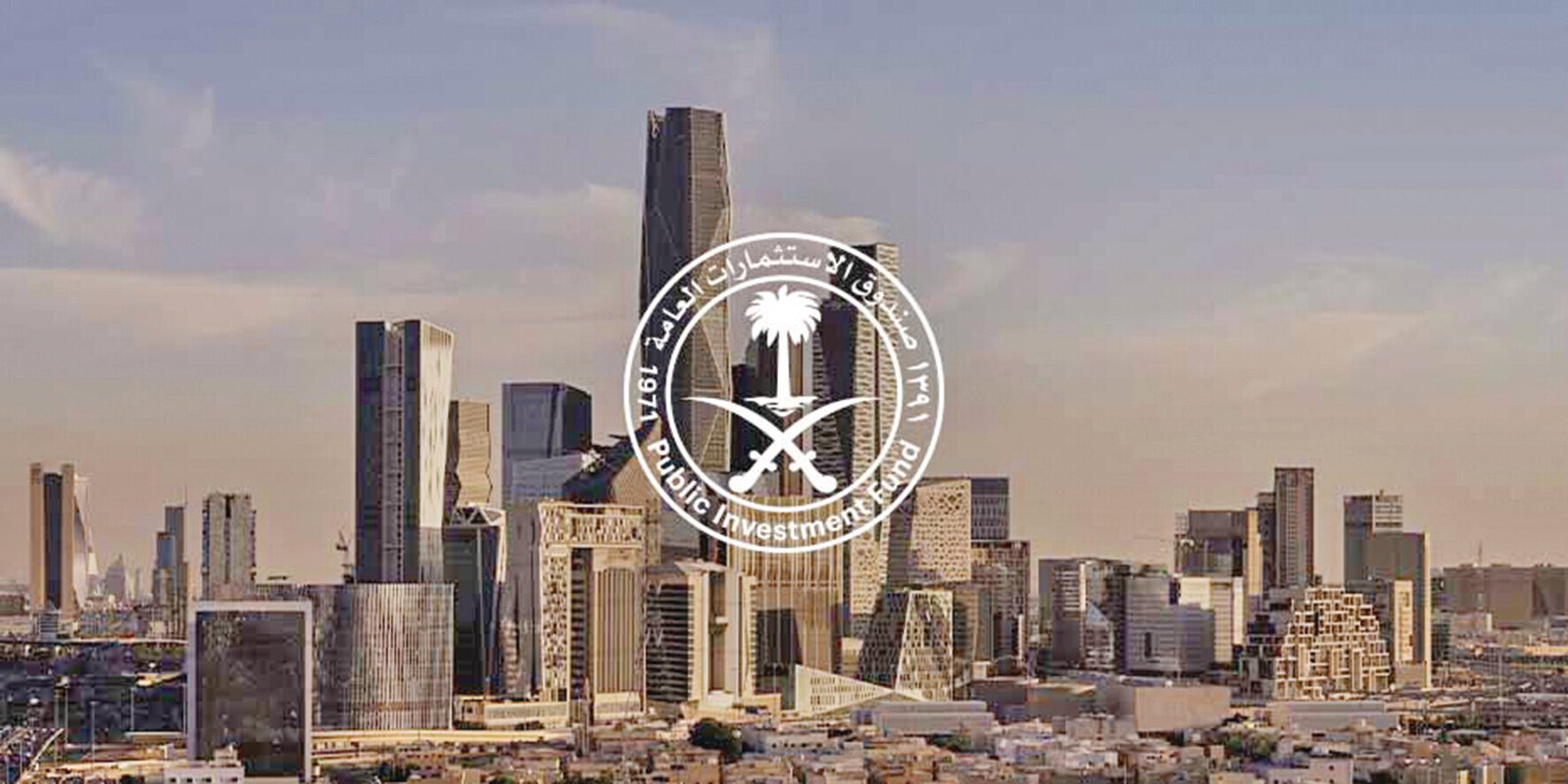
The Saudi Public Investment Fund has pumped $17 billion into renewable energy projects over the past five years, as part of a strategy that aims to develop 70% of the Kingdom’s targets for renewable energy generation by 2030, in a step that enhances Saudi Arabia’s shift towards a more diversified and sustainable energy mix.
These investments fall within the framework of the Fund’s broader role in empowering priority sectors within Saudi Vision 2030, especially in clean energy, energy efficiency, and waste management, with a focus in the 2026-2030 strategy on the clean and renewable energy and water infrastructure system.
The Fund’s investments in renewable energy aim to achieve five main goals, including increasing production capacity, transferring and localizing knowledge, empowering the private sector, enhancing energy efficiency, and enhancing waste management. These projects form part of a broader plan that aims to raise the contribution of renewable energy to 50% of the total energy mix in the Kingdom by 2030, as the Fund and its system of companies aim to develop 59 gigawatts of the total capacity required to achieve this national goal.
The economic impact is not limited to electricity generation, as investments, according to the fund’s document, seek to empower the Saudi private sector by deepening local supply chains, by increasing demand for steel, cement, electronic systems, and project services.
In the coming years, the Fund aspires to expand local content to include manufacturing solar panels, wind turbines and their components within the Kingdom, thus opening the way for new industrial investments and specialized job opportunities.
Among the most notable achievements in this regard is the replacement of about 4.3 million traditional street lighting lamps with high-efficiency LED lamps in various regions of the Kingdom. And rehabilitating more than 42 thousand government buildings to raise the efficiency of energy use. In addition to achieving an annual saving of 9 terawatt hours in electricity consumption, and saving the equivalent of 14.35 million barrels of oil equivalent. In addition, reducing carbon dioxide emissions by about 5.12 million metric tons annually.
In addition, the Kingdom has begun implementing an increase in the percentage of nationalization in procurement professions to 70% in the private sector, as of May 31, 2026. The decision is applied to establishments that employ 3 or more workers from the professions covered according to the definitions and professional titles approved in the Unified Saudi Classification of Occupations, and it includes 12 professions.
The Ministry of Human Resources’ supervisory teams began following up on the implementation of the decision on the targeted establishments, and ensuring their commitment to the specified percentages and the localization of the targeted professions, to ensure the provision of a productive and stable work environment for national cadres.
On the other hand, the new residential real estate financing sector in the Kingdom recorded remarkable growth last April, not witnessed in nine months, thus embodying the strength of the Saudi real estate market despite the continued high interest levels. Data from the monthly statistical bulletin issued by the Central Bank of Saudi Arabia revealed that new residential real estate financing for individuals in the Kingdom increased by 51.3% during April 2026 on a monthly basis, reaching 6.6 billion riyals during April compared to 4.3 billion riyals during March, while a growth of 0.5% was recorded on an annual basis.
The data revealed that the value of new housing financing recorded in April is the highest in nearly a year, specifically since July 2025, which reflects the trend of the real estate financing market in the Kingdom to emerge from a state of weakness and enter a new wave of momentum despite high interest levels.
Residential real estate financing for individuals in the Kingdom comes through two sources. The first is real estate loans provided by banks in Saudi Arabia, amounting to 6.236 billion riyals during April 2026 compared to 4.187 billion during March 2025, and real estate loans provided by finance companies in the Kingdom, which amounted to 265 million riyals during April compared to 168 million riyals during March 2026.
Al Rajhi Capital reported that liquidity indicators in the Saudi banking sector witnessed a noticeable improvement during the month of April, indicating that as a result of the sharp growth in deposits, the simple loan-to-deposit ratio decreased by 116 basis points per month to reach 108.8%, while the adjusted loan-to-deposit ratio decreased by 94 basis points to reach 78.9%. This improvement in liquidity contributed to the growth in the value of real estate loans during the month of April to 6.3 billion riyals, recording its highest level in the past nine months. The average value of real estate loans during the first months of this year amounted to about 5.5 billion riyals, a decrease of 35% on an annual basis, but it decreased by only 4% compared to the average value of real estate loans during the past twelve months, which amounted to 5.7 billion riyals.
The “villas” sector recorded the strongest performance, achieving annual growth of 7%, bringing the value of its financing to 4.2 billion riyals, which is the highest level recorded in 11 months, which reflects the advanced performance of the financing market in the month of April. This shift in the performance of the villa sector comes after about a year of continuous declines in this type, as villas accounted for the lion’s share of 66% of the total financing granted during the month, which confirms the return of confidence and demand for independent residential units as the first choice for beneficiaries.
On the other hand, data from the Central Bank of Saudi Arabia showed a discrepancy in performance between different housing categories, as financing for “apartments” continued to decline for the 12th month in a row, recording a 14% decline on an annual basis, reaching a value of 1.8 billion riyals during April, with a market share of 28%. This continued decline in apartment financing indicates a shift in beneficiaries’ preferences towards other options in light of the current price variables.
On the other hand, the “land” sector recorded a remarkable return to growth after three months of declines, as land financing jumped by 17% to reach 356 million riyals, accounting for a 6% share of the total financing.
This diverse landscape in the performance of the real estate financing market reflects a state of rebalancing in the Saudi real estate market, as the villas and lands sector leads the new wave of recovery, which gives the banking sector and real estate developers clear indicators about future demand trends.