Overview:
A Japanese artist with a deep connection to Palau is introducing a new virtual gallery experience that blends art and technology, creating opportunities for Palauan artists to showcase their work in immersive digital spaces.
Japanese artist Tomoya Uemura uses immersive technology to transform how audiences experience art
By: L.N. Reklai
KOROR, Palau — “Palau changed my life,” says Japanese painter Tomoya Uemura, whose passion for art and technology is now helping create a new way for people around the world to experience and appreciate Palauan art through virtual reality.
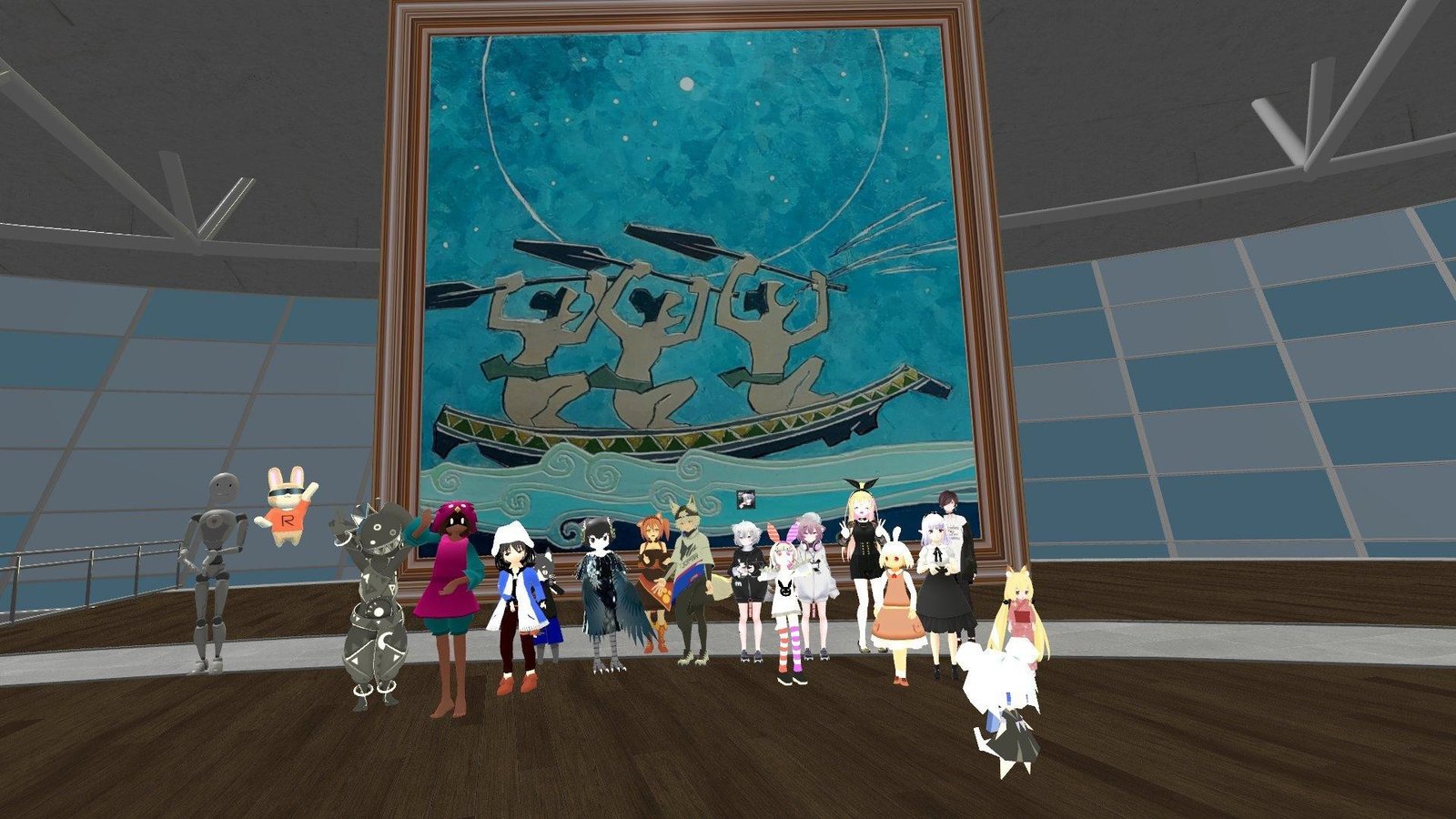
Uemura, together with virtual reality creator Hiromasa Saito of Steins Inc. in Japan, is preparing a Palau–Japan cultural exchange exhibition through WESON MUSEUM, a virtual-reality museum that exists entirely online.

Founded in 2021, WESON MUSEUM operates inside “VRChat,” a free social virtual reality platform that allows users from anywhere in the world to walk through digital galleries using VR headsets, computers or smartphones.
The project aims to redefine how art is viewed and shared, removing physical barriers that often limit access to museums and international exhibitions.
For Uemura, the journey began during his first visit to Palau in 2016. Deeply moved by the islands’ natural beauty, he said the experience inspired him to pursue painting professionally. One of the first works that brought him recognition was based on a sketch he created in Palau.

Since then, he has returned to Palau nearly every year, working with students and local artists while continuing to create paintings inspired by the islands, including his recent “Palau in Moonlight” series.
“Art should be something people can truly feel and experience,” Uemura said, explaining his vision for immersive virtual galleries where audiences can interact directly with artists and their work.
Unlike traditional museums, WESON MUSEUM allows artists themselves to enter the virtual galleries and guide visitors through exhibitions in real time. Weekly guided tours are hosted from 9 p.m. to 10 p.m. Japan time — the same time zone shared by Palau.
The museum currently features four themed virtual spaces: the Sky Museum, Forest Museum, Rain Museum and the Palau Museum, which was inspired by Palau’s landscapes and culture.
The Palau Museum section also displays digital images of works lent by the Belau National Museum, giving audiences in Japan and other countries a chance to explore Palauan art and heritage without traveling overseas.
Saito said virtual technology creates possibilities impossible in physical galleries. Paintings of Palau’s ocean scenes, for example, can be displayed surrounded by animated water and immersive environments that enhance the viewing experience.
The technology also serves as a form of digital archiving, allowing artworks stored away, unfinished pieces or even lost works preserved as digital data to remain accessible to future audiences.

The virtual format also removes the challenges and costs of transporting fragile artwork internationally, opening doors for broader cultural exchange.
Since opening, WESON MUSEUM has welcomed more than 20,000 visitors, with about 20 percent coming from outside Japan. Many, Uemura said, had never visited a traditional museum before.
The project has expanded steadily over the years, evolving from single-artist exhibitions into annual group shows and hybrid exhibitions combining physical and virtual displays.
Now, Uemura and Saito are inviting Palauan artists to participate in a future exhibition that will showcase Japanese and Palauan artworks side by side in virtual space, allowing visitors from both nations to meet, interact and discover each other’s cultures through art.
They plan to bring the virtual gallery experience directly to Palau early next year, offering residents an opportunity to experience immersive art technology firsthand while strengthening cultural ties between Palau and Japan.