
American messages confuse the forces’ calculations regarding the completion of the cabin
Washington refuses to involve the factions and entrusts Barak with the Iraq file
Baghdad – Qusay Munther
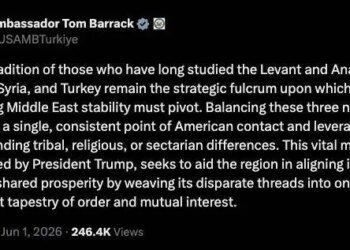
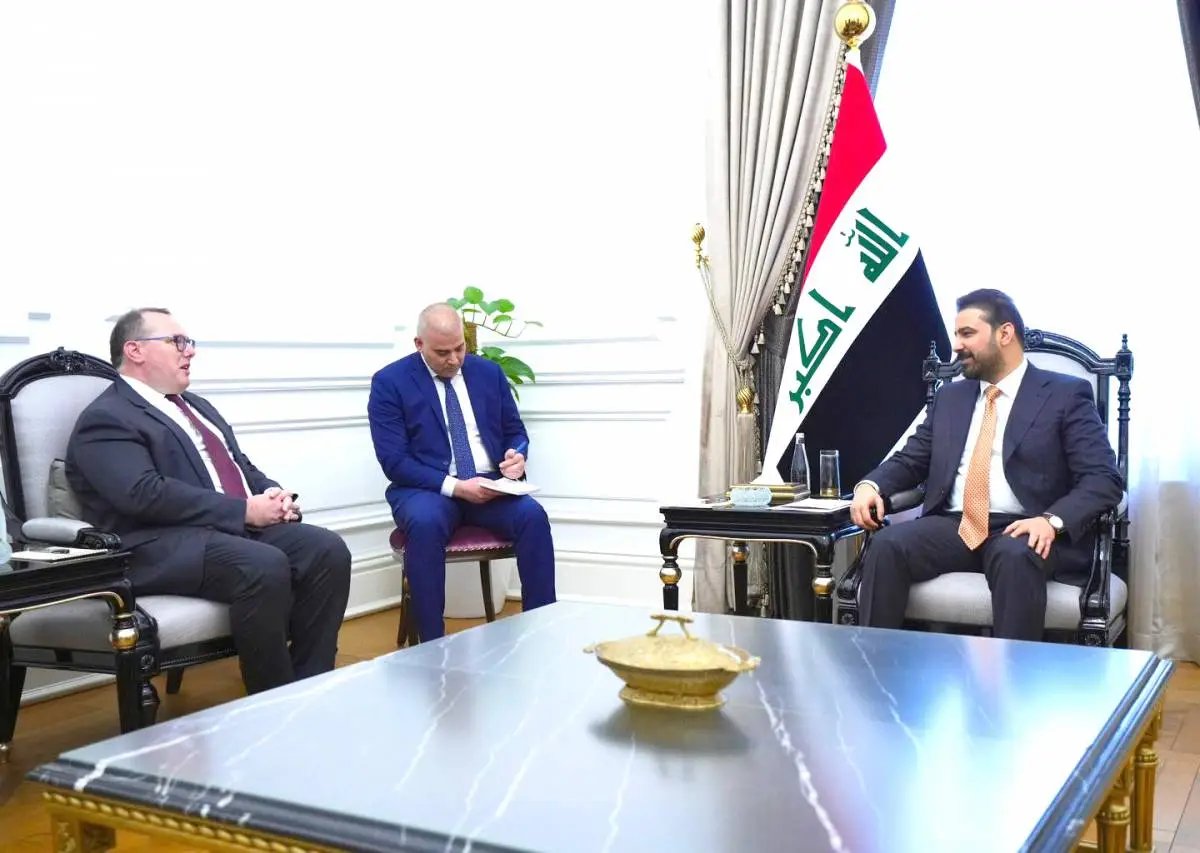
A new American letter to Baghdad opened a wide door of controversy within political circles regarding the completion of the remaining members of the cabinet, as it included a clear rejection of the factions’ participation in the formation, in conjunction with President Donald Trump’s announcement of the appointment of his country’s ambassador to Turkey, Tom Barrack, as a special presidential envoy to Iraq and Syria. Trump wrote in a blog post on the Truth Social platform yesterday that “Barack will continue his duties as ambassador to Turkey and will perform his new duties with the full support of the State Department.” He added, “This comes within the framework of strengthening strategic cooperation with the governments of Syria and Iraq, and the continued growth of the relationship with them.” Expressing his deep appreciation for the work accomplished by Barak, and his constant readiness to serve the United States. US Secretary of State Marco Rubio had confirmed that Barack would continue to play his role in the Syria and Iraq files within the Trump administration, despite the end of his position as special envoy to Syria. In May 2025, Barak, the US ambassador to Turkey, assumed the mission of special envoy to Syria, in parallel with the Trump administration’s moves to reformulate its approach to the Syrian file and lift sanctions on Damascus, in light of Turkey’s growing role in the Syrian file. Rubio’s statements give an official dimension to the broader role that Barak has begun to practice practically in Iraq as well, after he emerged during the recent period at the forefront of American communications with Baghdad, immediately after Mark Savaya officially faltered in the position of special envoy to Iraq. While Iraqi Prime Minister Ali al-Zaidi urged US Chargé d’Affaires Joshua Harris to continue joint work in accordance with the strategic framework agreement signed between the two countries. A statement received by Al-Zaman yesterday said: “Al-Zaidi met at the Harris Government Palace, and they discussed prospects for cooperation between the two countries, and ways to develop and expand relations in all fields, especially economic, investment and cultural, on the basis of mutual respect and common interests, and in a way that contributes to serving the interests of the two friendly peoples.” Al-Zaidi stressed (the necessity of constructive communication between the two countries, and the perpetuation of joint work within the framework of the Strategic Framework Agreement and bilateral memorandums of understanding). He pointed out (the importance of the two sides’ commitment to strengthening partnership and coordination regarding various bilateral and regional issues, and working to give priority to the language of dialogue and diplomacy in resolving disputes and imposing security and stability in the region). For his part, the US Chargé d’Affaires expressed his country’s appreciation for Iraq’s efforts to strengthen bilateral partnerships in various fields. Appreciating Baghdad’s pivotal role and its supportive efforts to impose regional security and stability. On a related level, reports revealed that Al-Zaidi received a message from the American side, including Washington’s categorical rejection of any armed faction’s participation in the new government. The reports quoted a source who refused to reveal his identity as saying yesterday, “The American message stressed that assigning any ministerial portfolio or senior government position to an armed faction or to figures representing those factions will be met with a rejecting American and Western position, and may lead to a political and administrative rupture with the ministry in question, which will have direct repercussions on the overall bilateral relations, as well as cooperation with a number of Western countries.”
He continued, “Al-Zaidi conveyed the content of the message to the forces to participate in the consultations to complete the government cabinet, especially the parties to the coordination framework, as intense discussions are currently taking place regarding the new American veto on the participation of the armed factions in the new ministerial formation.” He stressed that (some forces were moving towards granting ministerial positions to armed factions after their expected announcement of abandoning weapons during the next few days, but the recent American position has reshuffled the cards and opened a new door of debate within the alliances regarding the form of the next government and the nature of participation in it).